
Gulf of Paria Oil Spills: Venezuela Demands Compensation as Satellite Imagery Confirms Larger Release
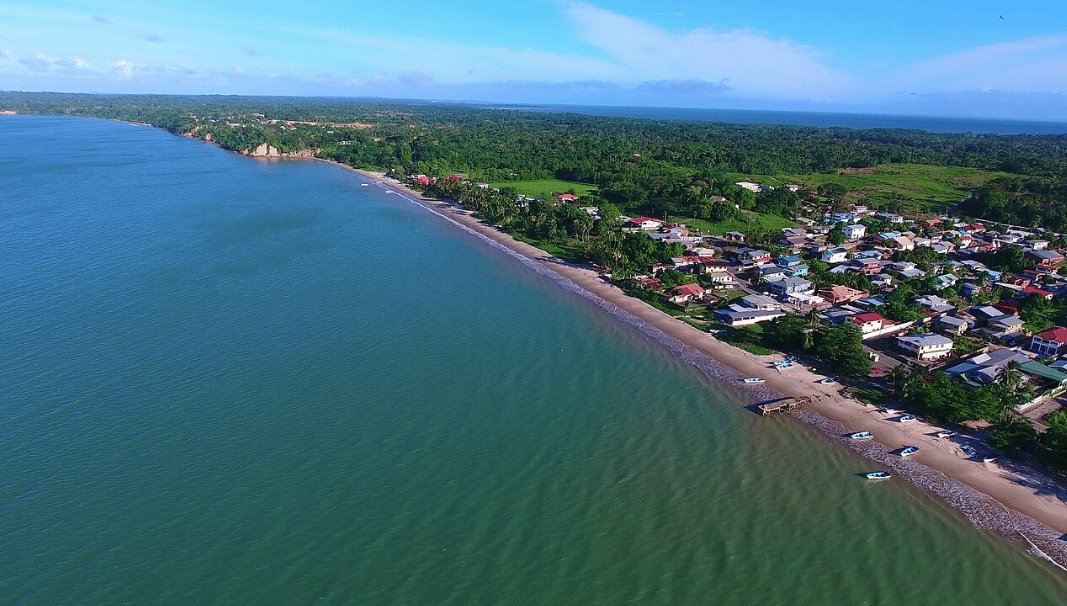
Detecting the First Spill on May 1 In we own backyard here in Trinidad and Tobago, the Gulf of Paria has always been a shared inland sea that links our waters directly with Venezuela to the west. On May 1, 2026, our state oil company picked up the first signs of an oil spill in those very waters. Officials noted that only about 10 barrels had escaped and claimed the matter was
Detecting the First Spill on May 1
In we own backyard here in Trinidad and Tobago, the Gulf of Paria has always been a shared inland sea that links our waters directly with Venezuela to the west. On May 1, 2026, our state oil company picked up the first signs of an oil spill in those very waters. Officials noted that only about 10 barrels had escaped and claimed the matter was contained the same day, yet the quiet handling left many in coastal communities wondering about the full picture.
Trinidad and Tobago has long stood as one of the Caribbean's largest oil and gas producers, with exploration stretching from land sites right into shallow waters around the Gulf. This latest incident on May 1 reminded folks in places like Point Fortin and Cedros how closely our energy work sits beside everyday fishing and small-boat livelihoods. The quick containment story came out only after questions began to surface from across the border.
Local energy workers know the Gulf of Paria well, and the May 1 detection highlighted how even small releases can travel in these connected waters. While the official line stayed measured, residents along the south-west coast kept an eye on the tides, knowing that what happens in one part of the Gulf often reaches the other side before long.
The event also brought fresh attention to the long-standing 1990s delimitation treaty between Venezuela and Trinidad and Tobago. That agreement set clear terms for how both countries could exploit hydrocarbon deposits on either side of the Gulf, yet it also placed responsibility on each side to protect the shared marine environment from incidents like this one.
Venezuela Raises Alarm on May 9
By May 9, Venezuela's Foreign Ministry had taken the matter to the international community. They spoke of initial assessments that pointed to severe risks for ecosystems in the states of Sucre and Delta Amacuro, as well as the wider Gulf of Paria itself. The statement warned of threats to mangroves, wetlands and the overall environmental balance that supports life on both sides of the water.
Foreign Affairs Minister Yvan Gil would later build on this early warning, but the May 9 announcement already made clear that Caracas viewed the spill as more than a minor local issue. Officials there stressed that the shared nature of the Gulf meant any release from Trinidad and Tobago waters could quickly affect Venezuelan coastal areas. This public step marked a shift from quiet diplomacy to open concern.
Communities in Trinidad who rely on the same Gulf for their daily catch understood the worry. The mangroves and wetlands mentioned are not abstract; they form the nursery grounds for fish that end up on tables in both countries. The May 9 statement therefore struck a chord with fishermen who have crossed these waters for generations under the terms of the 1990s treaty.
Venezuela's move also underlined the need for transparency between neighbours who share this inland sea. With the delimitation treaty from the 1990s still guiding energy activities, the call for open reporting on any spill became a practical matter for both sides rather than a distant diplomatic exchange.
Trinidad's Energy Minister Responds
Energy Minister Roodal Moonilal addressed the situation on May 10, stating that the spill "was not visible." His comments came after Trinidad and Tobago had not disclosed the May 1 incident until Venezuela had already raised the matter publicly. The minister's remarks sought to reassure that the release remained small and under control, yet the timing drew attention to how information flowed between the two countries.
Minister Moonilal's position reflected the reality that Trinidad and Tobago continues significant exploration in shallow Gulf waters as part of its role as a leading Caribbean energy producer. Still, the delay in public notice left room for questions about how quickly neighbours should share details under the 1990s delimitation treaty. Local energy sector voices noted that clear communication helps maintain trust in these shared zones.
Residents along Trinidad's south coast watched the minister's statements closely, aware that any spill in the Gulf affects the same waters used for both oil work and small-scale fishing. The emphasis on the spill not being visible did little to ease concerns among those who know how oil can move beneath the surface before reaching mangroves on either side.
The response also highlighted ongoing cooperation challenges in the energy sector. With both nations bound by the 1990s treaty to manage hydrocarbon deposits responsibly, Minister Moonilal's May 10 comments became part of a wider conversation about keeping the Gulf safe for all who depend on it.
LA Times Brings International Attention
Independent reporting from the LA Times on May 10 added outside verification to the story. The newspaper confirmed details of the May 1 spill and noted that Trinidad and Tobago had not made the incident public until after Venezuela complained. This coverage helped place the event on a wider stage beyond the immediate region.
The LA Times account drew on the same facts already shared by both governments, including the limited volume reported by Trinidad officials and the ecosystem concerns raised by Venezuela for Sucre and Delta Amacuro. Satellite imagery would later play a larger role, but the May 10 report already showed how international eyes were now watching developments in the Gulf of Paria.
For people in Trinidad, seeing the story in a major US paper brought home the reality that what happens in our shared waters travels beyond the Caribbean. The 1990s delimitation treaty had always assumed careful management of these resources, and the LA Times piece reminded readers that outside observers now expected the same standard of openness.
The reporting also connected the spill to broader questions about energy operations in shallow waters. Trinidad's position as a major producer means any incident draws scrutiny, and the LA Times coverage helped frame the May 1 event within that larger context of regional responsibility.
A Larger Spill Emerges by June 13
On June 13, Venezuela's Foreign Affairs Minister Yvan Gil spoke out about a new and larger oil spill that he said originated from Trinidad and Tobago. He described the event as exceeding in magnitude the one recorded in May, and he pointed to satellite imagery as independent confirmation of the release. This second incident shifted the conversation from containment to accountability.
Minister Gil's statement on June 13 made clear that satellite data had tracked the spread across the Gulf, affecting the same areas in Sucre and Delta Amacuro already flagged in May. The use of satellite imagery provided a concrete layer of verification that went beyond official statements from either side. Communities on both coasts understood that such imagery left little room for doubt about the scale.
The June 13 announcement built directly on the earlier May concerns while adding fresh urgency. Trinidad and Tobago's energy sector, already active in shallow Gulf waters under the 1990s treaty, now faced renewed questions about how to prevent repeats. The satellite evidence gave weight to calls for stronger preventive steps.
Local observers in Trinidad noted that the Gulf of Paria remains a single body of water, so any larger release naturally raises shared stakes. Minister Gil's reference to satellite confirmation helped move the discussion toward practical measures that both countries could support under their long-standing delimitation agreement.
Minister Yvan Gil's Strong Demands
Foreign Affairs Minister Yvan Gil stated that Venezuela demands Trinidad and Tobago fully assume responsibility for the spills. He called for concrete measures to prevent new incidents and insisted on greater transparency in reporting. The minister also reserved Venezuela's right to pursue international legal action for compensation if needed.
These demands, voiced after the June 13 satellite-confirmed spill, reflected Caracas's view that the shared Gulf requires clear accountability from both parties to the 1990s delimitation treaty. Minister Gil's words carried the weight of two separate incidents, the first detected on May 1 and the larger one confirmed in June. The call for transparency aimed at protecting ecosystems in Sucre and Delta Amacuro.
In Trinidad, the minister's position prompted reflection on how energy operations in shallow waters can affect neighbours. The 1990s treaty had set the framework for joint hydrocarbon work, yet the recent spills showed that practical safeguards still needed strengthening. Minister Gil's emphasis on prevention resonated with those who want the Gulf to remain productive for fishing and energy alike.
The possibility of international legal steps added a formal dimension to the neighbourly conversation. While both countries continue to share the inland sea, Minister Gil's June 13 statement made clear that Venezuela expects visible action and open communication going forward.
Shared History from the 1990s Treaty
The 1990s delimitation treaty between Venezuela and Trinidad and Tobago established the rules for exploiting hydrocarbon deposits on both sides of the Gulf of Paria. That agreement recognised the Gulf as a single inland sea at Venezuela's westernmost end, south of Trinidad, and it placed mutual obligations on environmental protection alongside energy development. Recent spills have tested those long-standing terms.
Trinidad and Tobago's role as a major Caribbean energy producer has always been tied to careful management of these shared waters. The treaty from the 1990s provided the legal foundation for exploration in shallow areas, yet it also assumed that both sides would act quickly on any release that could reach mangroves or wetlands in Sucre and Delta Amacuro. The May 1 and June 13 incidents brought that assumption back into focus.
Communities on the Trinidad side of the Gulf have lived with the treaty's effects for decades. Fishermen and energy workers alike understand that the same waters support livelihoods on both coasts. The 1990s agreement therefore remains more than a document; it shapes daily decisions about how to balance production with protection of the shared marine space.
Looking ahead, the treaty offers a ready framework for the transparency and preventive steps that Minister Yvan Gil requested. With satellite imagery now confirming the scale of recent events, both countries have a clear basis under the 1990s delimitation terms to strengthen cooperation and keep the Gulf safe for future generations.
By Sharon Sahatoo, Staff WriterThis article was produced with AI-assisted research and editorial support. Reporting is based on sources cited in the article.
What's Your Reaction?
 Like
0
Like
0
 Dislike
0
Dislike
0
 Love
0
Love
0
 Funny
0
Funny
0
 Wow
0
Wow
0
 Sad
0
Sad
0
 Angry
0
Angry
0

Caribbean Correspondent at Global1.News. Based in Port of Spain, Trinidad, covering Caribbean politics, economy, energy, climate, and culture. Amplifying the voices and stories of the Caribbean region.










Comments (0)