
Cuba Blackouts: Sanctions Deepen Energy Crisis Across Island
Cuba Nationwide Blackouts Expose Deepening Energy Crisis Under US Sanctions Cuba Third Nationwide Blackout Sparks Rare Public Protests Cubans took to the streets in Havana and Santiago de Cuba on Tuesday evening, banging pots and pans in a rare display of public frustration. This marked the third nationwide outage this year, plunging millions into darkness across the island, ac
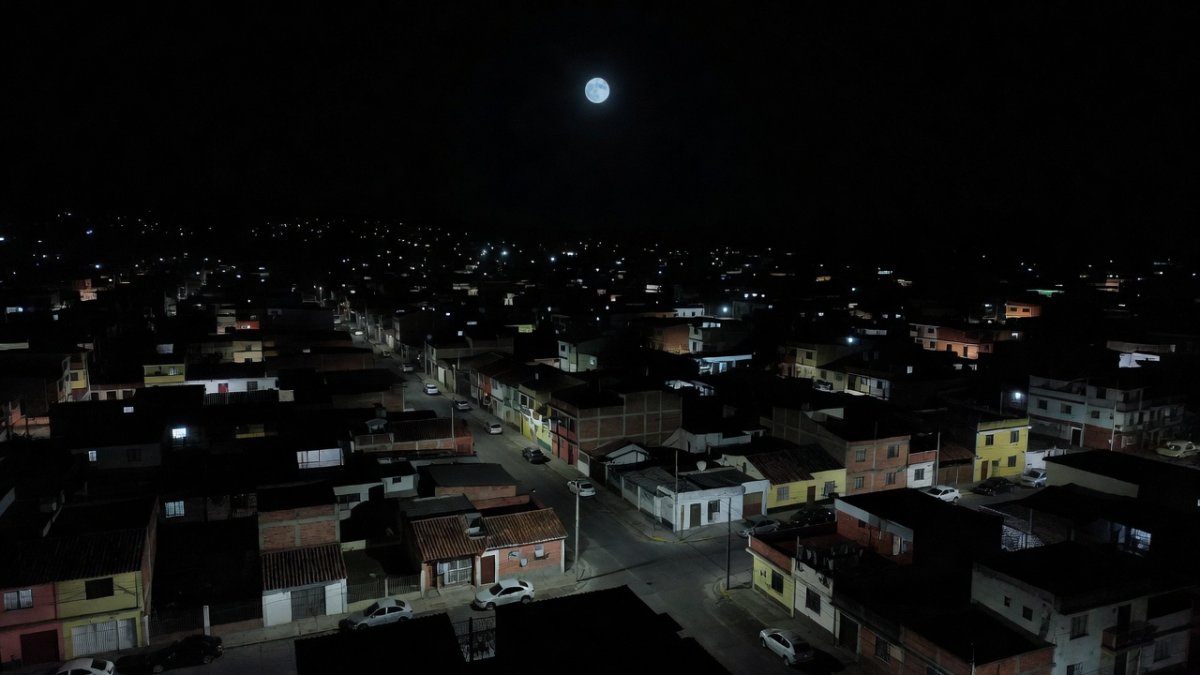
Cuba Nationwide Blackouts Expose Deepening Energy Crisis Under US Sanctions
Cuba Third Nationwide Blackout Sparks Rare Public Protests
Cubans took to the streets in Havana and Santiago de Cuba on Tuesday evening, banging pots and pans in a rare display of public frustration. This marked the third nationwide outage this year, plunging millions into darkness across the island, according to BBC News reporting. The scale of the blackout was immense, with power grids collapsing simultaneously in urban centers and remote villages alike. Residents reported complete loss of electricity, leaving hospitals reliant on failing generators and families without basic lighting or communication. The protests highlighted growing discontent as citizens demanded accountability from authorities who had promised stability. International observers noted the event as a significant escalation in public expression, reflecting the cumulative toll of repeated failures across the country.
Officials quickly claimed that restoration efforts were underway, yet locals continued shouting demands to turn the lights back on. Rural areas remained without power for up to seventy hours, while urban zones endured around thirty hours of darkness, according to officials cited by the BBC. Transportation networks ground to a halt, with buses and trains unable to operate, and schools across the country closed indefinitely. The state electricity company did not provide an explanation for the latest unplanned outage, deepening public frustration. This prolonged disruption compounded existing hardships, forcing communities to improvise with candles and limited battery supplies. The disparity between official statements and on-the-ground reality fueled further anger, as residents shared stories of spoiled food and interrupted medical care.
Santiago de Cuba stayed dark well into the following day, underscoring the uneven pace of recovery efforts. Despite the risks of reprisal, there was a noticeable increase in willingness among citizens to voice their grievances publicly. Earlier blackouts had already intensified economic pressures, leaving households depleted of resources and patience. The latest event served as a catalyst for collective action, with neighbors organizing to share information and support one another through the ordeal.
Fuel Shortages and the US Oil Blockade
Fuel shortages have intensified dramatically due to US sanctions that effectively function as an oil blockade, preventing essential imports and crippling the nation's energy infrastructure, according to BBC reporting. Generators across Cuba sit idle without adequate diesel supplies, leaving critical facilities vulnerable during peak demand periods. The Trump administration escalated these measures since January, tightening restrictions on shipping routes and financial transactions tied to petroleum. This policy framework has isolated Cuba from traditional suppliers, forcing reliance on sporadic and expensive alternatives that fail to meet national needs. The resulting scarcity has rippled through every sector, halting industrial production and agricultural irrigation systems that depend on consistent fuel access. Communities report long queues at empty stations, highlighting how external pressures have transformed routine shortages into systemic collapse.
Tourism has collapsed without reliable power, as hotels and resorts struggle to provide basic services to visitors. The US has also levelled murder charges against Raul Castro, further poisoning diplomatic relations. The blockade extends far beyond energy into daily life, restricting access to medicines, spare parts, and agricultural inputs essential for survival. Families face impossible choices between preserving food or powering medical devices, revealing the human dimension of these geopolitical decisions. Economic indicators show steep declines in foreign exchange earnings, trapping the island in a cycle of dependency and deprivation.
Yet external pressures tell only part of the story. Cuba's energy infrastructure has suffered from decades of underinvestment and aging thermoelectric plants, according to Reuters and AP reporting. The country's grid equipment is outdated and prone to cascading failures, with insufficient maintenance budgets stretching back years. Internal management challenges have compounded the impact of fuel shortages, making the system far less resilient when external disruptions occur. What began as technical challenges has evolved into a full humanitarian emergency, as external policy choices and domestic shortcomings combine to dictate Cuba's fundamental capacity to function as a modern society.
A Region in the Dark: Latin America Shared Energy Vulnerabilities
Brazil's Northeast region faces similar struggles as prolonged droughts reduce hydroelectric output, forcing greater reliance on costly thermal plants. This climate vulnerability mirrors Cuba's predicament, where environmental factors intersect with policy constraints to undermine energy security. Communities in affected areas experience frequent interruptions that disrupt farming cycles and urban services alike. The shift to thermal generation increases costs passed on to consumers, exacerbating inequality in regions already burdened by economic challenges. Local leaders advocate for diversified sources, yet progress remains slow amid competing national priorities and limited investment flows.
Colombia's Pacific coast rural communities endure unreliable service that leaves villages without consistent electricity for days at a time. In Peru's highlands, populations compete for scarce power resources amid growing demand from mining operations and expanding settlements. Climate change worsens supply instability across these zones, with shifting rainfall patterns and extreme weather events damaging transmission lines and generation facilities. These shared vulnerabilities highlight how Latin American nations grapple with aging infrastructure and external market pressures that hinder transitions to more resilient systems.
Energy justice remains a pressing concern, as the poorest populations bear a disproportionate burden from these failures. Regional debates increasingly center on sovereignty versus external pressures, with calls for cooperative frameworks that prioritize local needs over geopolitical maneuvering. Cuba's experience serves as a stark reminder of how interconnected these challenges have become throughout the hemisphere.
Political Blame Game: Havana Washington and the UN Stage
President Diaz-Canel has publicly acknowledged the widespread suffering caused by shortages of transport, food, and medicines alongside twenty-hour power cuts. In remarks to the Claridad newspaper, he urged citizens to direct their anger toward US policies rather than domestic shortcomings, stating: "People bang pots, some with more anger than others. I say: direct your pot-banging towards our northern neighbours." This framing seeks to unify public sentiment around external adversaries while highlighting the tangible impacts on everyday existence. Government statements emphasize resilience in the face of adversity, yet the scale of disruption tests even the most loyal supporters.
US Ambassador to the UN Michael Waltz countered during a UN General Assembly meeting, stating that Cuba should "change your ways and turn the lights back on for your people." He added that "there always seems to be enough power for the Cuban dictatorship." Cuban Foreign Minister Bruno Rodriguez responded by accusing the United States of conducting "multi-dimensional, non-conventional warfare" that had "become ever more cruel" over the last seven months. These exchanges at international forums reveal entrenched positions with little room for compromise. Both sides present competing accounts of responsibility, leaving little space for acknowledging shared complexities in the energy domain.
Private talks between the parties have yielded no tangible progress despite repeated attempts at dialogue, according to BBC reports. Cuba has left the door open "to dialogue based on mutual respect and non-interference in Cuba's internal affairs." The resulting stalemate leaves ordinary Cubans caught between opposing narratives, enduring hardships while diplomatic channels remain blocked. This impasse perpetuates uncertainty and delays any meaningful resolution to the ongoing energy shortfalls.
Cuba Renewable Energy Potential Under Sanctions
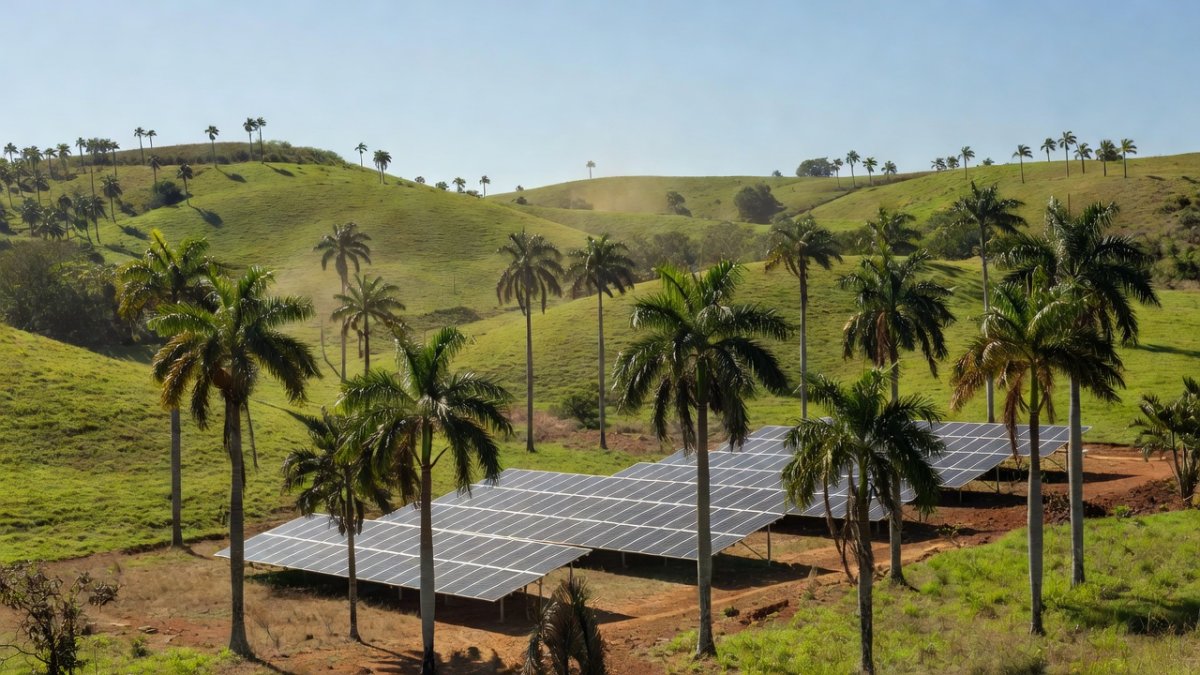
Cuba possesses substantial untapped solar and wind resources that could transform its energy landscape if properly developed. However, sanctions continue to block financing and technology transfers necessary for large-scale projects, according to industry observers. Prime coastal sites offer consistent wind potential, while abundant sunshine across the island supports photovoltaic installations. Experts estimate that these assets could meet a significant portion of national demand with appropriate infrastructure, yet restrictions on imports of panels, turbines, and expertise keep these opportunities largely theoretical.
Brazil's wind farm expansion in the Northeast provides a comparative model of what targeted investment can achieve. Similar efforts in Santiago de Cuba's region could harness coastal breezes to power communities currently reliant on intermittent grids. Such developments would reduce dependence on imported fuels and enhance resilience against future outages. The contrast underscores how policy environments shape renewable adoption rates across Latin America, with open markets and international partnerships enabling faster transitions.
International cooperation remains essential to bypass existing restrictions and unlock this potential. Without political shifts that ease technology access, Cuba's renewable ambitions stay constrained. The gap between available natural resources and actual deployment illustrates the broader costs of prolonged isolation on sustainable development pathways, even as neighboring countries accelerate their clean energy transitions.
Daily Life Environmental Justice and the Human Cost
Families struggle without refrigeration for essential medicines, leading to spoilage and health complications during extended outages. Water pumps remain idle, forcing residents to carry supplies from distant sources under difficult conditions. School schedules face constant disruption, with children missing critical learning time as institutions close or operate without basic utilities. These interruptions compound over weeks, affecting nutrition, hygiene, and educational outcomes in measurable ways. Communities adapt through mutual aid networks, yet the strain on daily routines grows increasingly unsustainable.
Rural communities bear the heaviest impacts, amplifying existing inequalities as urban areas receive priority in restoration efforts. Climate adaptation becomes impossible without reliable power for irrigation, cooling, and communication systems needed to respond to extreme weather. The environmental justice dimension emerges clearly, with marginalized groups facing compounded risks from both policy-driven shortages and natural variability. Livelihoods tied to agriculture and small enterprises erode steadily under these pressures.
Women often shoulder the burden of collecting water and managing household needs during blackouts, while elderly residents encounter heightened health risks from heat and medication failures. Lost income opportunities and eroded community resilience paint a picture of profound human cost. These lived experiences underscore why energy access constitutes a fundamental justice issue in affected regions, demanding responses that prioritize the most vulnerable.
The Road Ahead: Dialogue Sanctions and Energy Sovereignty
Private talks between Havana and Washington continue without meaningful progress, leaving the energy crisis unresolved, according to diplomatic sources cited by the BBC. Meanwhile, a broader Latin American debate on energy sovereignty gains momentum as nations seek greater control over their resources. Regional forums explore alternatives to external dependencies, emphasizing local generation and cross-border cooperation. Cuba's situation illustrates both the urgency and the obstacles facing such initiatives amid ongoing geopolitical tensions. Observers call for renewed diplomatic creativity to address root causes rather than symptoms alone.
Cuba stands as a cautionary example of how sanctions combined with internal infrastructure weaknesses entrench energy poverty across generations. A viable path forward requires combining diplomatic engagement with support for decentralized renewables that empower communities directly. Lessons from Brazil's partial successes suggest that targeted investments in wind and solar can build resilience even under challenging conditions. These approaches prioritize practical outcomes over ideological standoffs.
People-centered solutions must take precedence over geopolitical confrontation if future blackouts are to be prevented. Collective action across the region offers hope that shared vulnerabilities can drive collaborative progress. Sustained attention to these issues remains vital for ensuring equitable access to reliable energy throughout Latin America, as the gap between political rhetoric and everyday reality continues to widen.
By Elena Vasquez, Staff WriterThis article was produced with AI-assisted research and editorial support. Reporting is based on sources cited in the article.
What's Your Reaction?
 Like
0
Like
0
 Dislike
0
Dislike
0
 Love
0
Love
0
 Funny
0
Funny
0
 Wow
0
Wow
0
 Sad
0
Sad
0
 Angry
0
Angry
0

Latin America Correspondent at Global1.News. Based in Mexico City, covering politics, economics, energy, and culture across the region. Brings an on-the-ground perspective to stories spanning from the Rio Grande to Patagonia.










Comments (0)