
US-Iran Conflict: 140 Targets Struck, Oil Prices Surge Over Strait of Hormuz
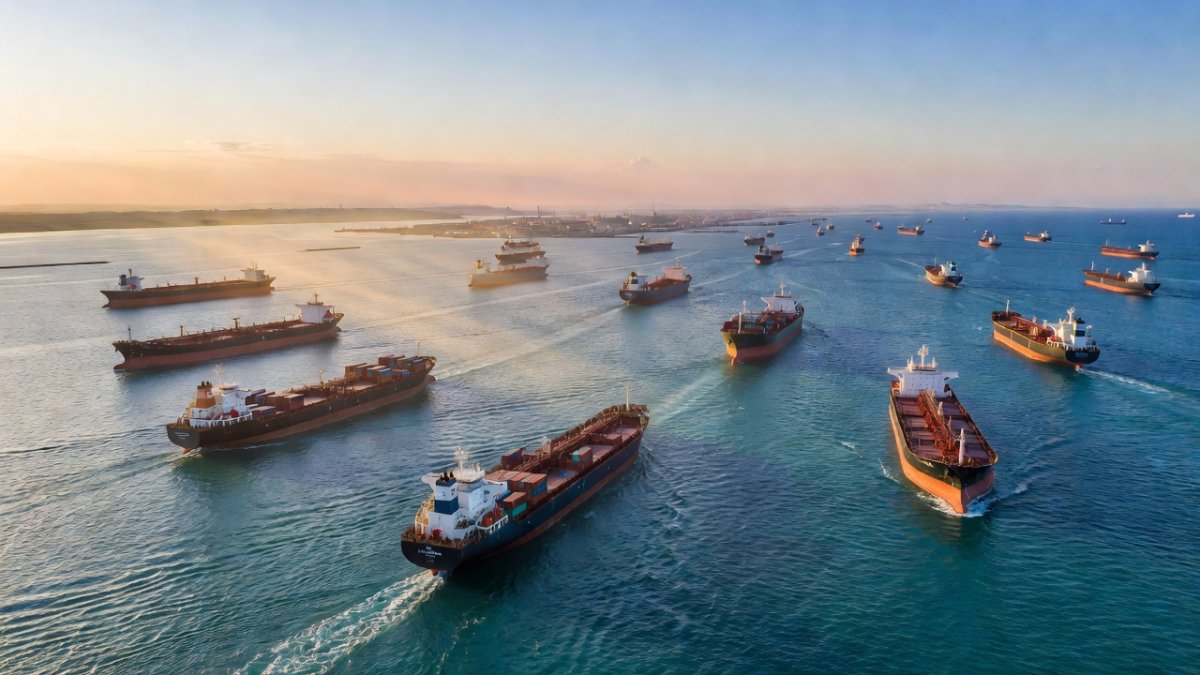
The Attack That Shook the Strait Pay attention, because what happened on July 11 changed everything in the Strait of Hormuz. Iran's IRGC launched a direct assault on a Cyprus-flagged container ship off the coast of Oman. The vessel burst into flames, and one crew member remains missing as rescue teams scour the waters. This strike came just hours after Iranian and Omani foreign
The Attack That Shook the Strait
Pay attention, because what happened on July 11 changed everything in the Strait of Hormuz. Iran's IRGC launched a direct assault on a Cyprus-flagged container ship off the coast of Oman. The vessel burst into flames, and one crew member remains missing as rescue teams scour the waters. This strike came just hours after Iranian and Omani foreign ministers sat down to talk about keeping the strait open for peaceful traffic.
AP reports the attack unfolded with speed and precision, leaving the ship listing and burning under a thick column of smoke. CENTCOM confirmed the IRGC's involvement through radar tracks and eyewitness accounts from nearby vessels. The crew faced chaos as fire crews battled the blaze, and the humanitarian toll grows with every hour that passes without word on the missing sailor.
Here's the thing: this was no random incident. It followed diplomatic overtures that raised hopes for calmer waters. Instead, the IRGC chose escalation, turning a routine passage into a war zone. The missing crew member represents real families waiting for answers, and the fire damage shows how quickly lives and livelihoods can be upended in these contested waters.
Let me break this down for you. The ship was carrying commercial cargo, not military assets, yet it became a target in Iran's broader message of control. CENTCOM's assessment leaves little doubt about responsibility, and the timing after the Oman meeting only sharpens the betrayal felt across the region. This attack demands our full attention right now.
America Strikes Back: 140 Targets and a Clear Message
Trump ordered multiple rounds of precision strikes in direct response, and CENTCOM confirms roughly 140 targets were hit across southern Iranian provinces including Bushehr, Hormozgan, Khuzestan, and Sistan-Baluchestan. The message landed loud and clear: aggression against commercial shipping will not stand. Hegseth put it plainly when he said Iran made a poor choice and now they pay.
This marked the third round of strikes in a single week, delivered by F/A-18 Super Hornets launched from the USS Abraham Lincoln. That carrier strike group carries 5,000 sailors and 70 aircraft ready for sustained operations. CENTCOM detailed how the strikes focused on IRGC command nodes and launch sites tied directly to the July 11 attack.
This matters because the Abraham Lincoln's presence signals American resolve without hesitation. The aircraft executed coordinated runs that degraded Iran's ability to threaten the strait again in the near term. Every target chosen reflected careful intelligence to limit wider fallout while sending an unmistakable warning to Tehran.
Pay attention to the scale here. Multiple waves over days show sustained pressure rather than a one-off show of force. The 5,000 sailors aboard the Lincoln and supporting vessels operate under intense conditions, yet they delivered results that CENTCOM has verified through post-strike assessments. The message is simple: the United States protects freedom of navigation.
Iran Retaliates: Bases, Ships, and a Closed Strait
Iran struck back hard, hitting US bases in Bahrain and Kuwait while damaging a second vessel in the region. The IRGC declared the Strait of Hormuz closed until further notice, and on July 13 they launched fresh barrages at American assets across the Middle East. Tehran insists it alone controls the waterway, but the United States rejects that claim outright.
BBC reporting shows five Gulf nations now caught directly in the crossfire, with civilian infrastructure at risk from stray fire and secondary effects. The Guardian notes the IRGC's closure announcement came with threats of further action against any vessel attempting passage without Iranian approval. This escalation has turned the strait into a live conflict zone.
Here's the thing: closing the strait affects far more than military posturing. It disrupts global trade routes that millions depend on daily. The second vessel hit underscores how quickly the situation spirals when one side decides to escalate without regard for neutral shipping.
The Guardian and BBC both highlight the human cost as crews from multiple nations now face uncertain futures. Iran's new barrages on July 13 targeted forward operating locations, raising the stakes for every service member in the theater. The world watches to see whether this cycle of retaliation can be broken before more lives are lost.
20% of the World's Oil: What Hormuz Means for Your Wallet
The Strait of Hormuz carries 21 million barrels of oil daily, representing 20 percent of global supply. Brent crude surged to $92.40 a barrel while WTI climbed to $88.75. Shipping traffic dropped 12 percent almost overnight, with only about 20 ships crossing in a 24-hour period even under US escort. In total, 47 vessels have been safely escorted through the danger zone so far.
Bloomberg and Lloyd's List data show how these numbers translate straight to household budgets. Higher crude prices mean elevated pump costs across the United States, and AAA confirms drivers are already feeling the pinch at stations nationwide. The 12 percent traffic decline signals companies rerouting or delaying shipments, which adds friction to supply chains everywhere.
This matters because energy costs ripple through every sector of the economy. When 21 million barrels sit idle or rerouted, refineries adjust production and consumers pay more at the grocery store as transportation expenses rise. The 47 escorted vessels prove safe passage remains possible, yet the reduced volume keeps pressure on prices.
Let me break this down. Bloomberg analysts project sustained elevation in fuel costs until the strait stabilizes. Lloyd's List tracks the insurance spikes that further inflate shipping rates. Your wallet feels this directly through higher gas and heating bills, and the global economy absorbs the shock through slower growth and tighter margins for businesses large and small.
The Ceasefire That Never Was
The ceasefire agreed last month now sits at the point of collapse according to The Guardian. Iran's new leadership after Khamenei initially raised hopes for de-escalation, yet those hopes lie shattered by the latest rounds of strikes and closures. The UN Security Council called an emergency session to address the rapidly deteriorating situation.
Reuters reports Saudi Arabia has deployed Patriot batteries around the Ras Tanura terminal, which handles six million barrels per day. This defensive move reflects the kingdom's determination to protect its critical oil infrastructure amid the widening conflict. EU diplomats urged all parties to exercise restraint, but the calls have yet to produce visible results.
Pay attention to the timeline. What began as cautious optimism after the leadership transition has given way to renewed confrontation. The Guardian's assessment of the ceasefire's fragility comes from sources inside the diplomatic community who watched the Oman talks unravel in real time.
What the World Is Watching: The Next 48 Hours
Back-channel talks through Oman have resumed even as the USS Abraham Lincoln strike group remains on station alongside UK and French frigates. CENTCOM continues to issue updates on Iranian movements and American defensive postures. NATO allies monitor developments closely, aware that any further widening could draw in additional partners.
Oil analysts project Brent crude will hold above $90 for the foreseeable future unless diplomacy produces a breakthrough. AP, Reuters, and BBC teams track every development in real time, providing the verified information needed to separate fact from rumor. The next 48 hours represent a critical window where either side could choose escalation or a path toward de-escalation.
Here's the thing: sustained presence of the Abraham Lincoln group with allied support signals readiness for whatever comes next. The diplomatic channel in Oman offers the only visible off-ramp, yet time is short before additional strikes or closures reshape the battlefield again.
Standing Strong: What You Can Do Right Now
Track EIA inventory reports and Bloomberg price updates daily to stay ahead of market swings. Review your household budget now for potential fuel cost increases and identify areas where you can adjust spending. Contact your representatives to emphasize the importance of energy security and stable global trade routes.
Share only verified facts from trusted outlets rather than unconfirmed social media claims. We stay informed through reliable sourcing, and we stay united in supporting those who keep the strait open for commerce. By Jessica Ali, Lead Anchor — Global 1 News
This article was produced with AI-assisted research and editorial support. Reporting is based on sources cited in the article.
What's Your Reaction?
 Like
0
Like
0
 Dislike
0
Dislike
0
 Love
0
Love
0
 Funny
0
Funny
0
 Wow
0
Wow
0
 Sad
0
Sad
0
 Angry
0
Angry
0

Editor-in-Chief at Global1.News. Atlanta-based journalist who cuts through the BS and tells it like it is. Lead anchor, host, and the voice you hear when the spin stops and the truth starts.













Comments (0)