
Russia's Tartus Hub: Reclaiming Syrian Influence Post-Assad
The Strategic Pivot at Tartus Russia aims to activate a commercial logistics hub at the Tartus naval base by mid-July, operating from one berth while retaining military functions at the second. Syrian officials described the initiative to Reuters as a direct effort to sustain Moscow's influence in Syria through trade after the 2024 overthrow of Bashar al-Assad removed the count
The Strategic Pivot at Tartus
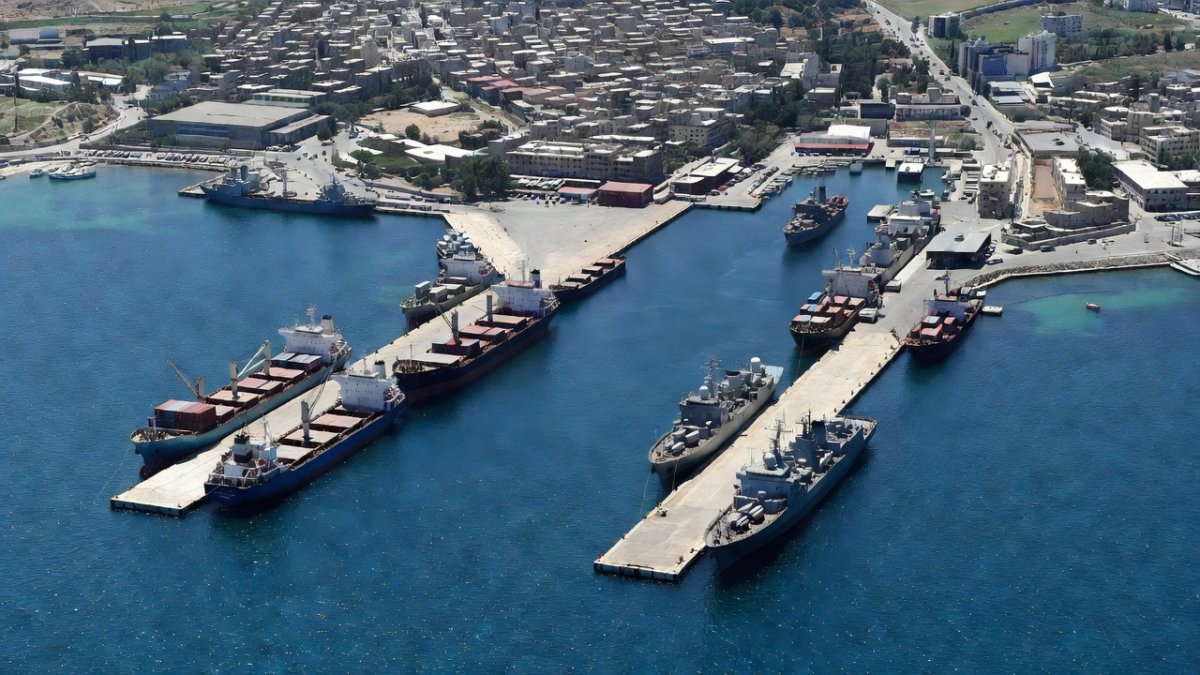
Russia aims to activate a commercial logistics hub at the Tartus naval base by mid-July, operating from one berth while retaining military functions at the second. Syrian officials described the initiative to Reuters as a direct effort to sustain Moscow's influence in Syria through trade after the 2024 overthrow of Bashar al-Assad removed the country's primary regional partner.
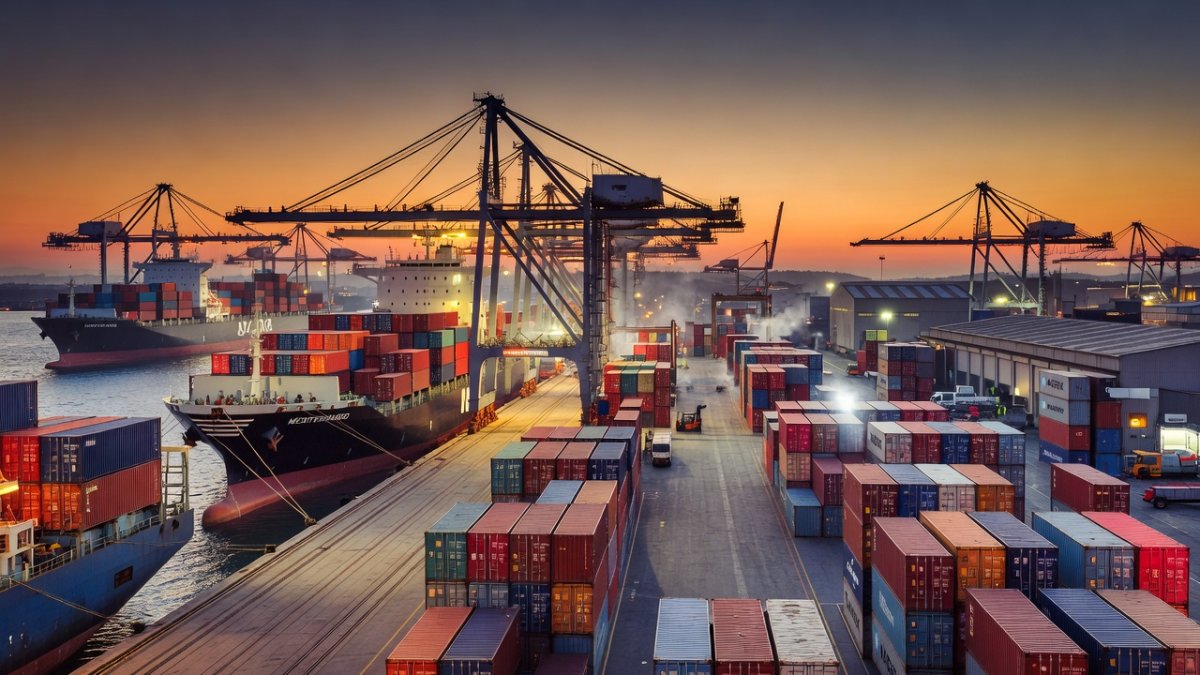
The facility will process Russian wheat, grains, animal feed, vegetable oils, timber, steel, clinker, coal, rice, sugar and mineral oils. Initial monthly cargo volumes are projected at 250,000 metric tons, beginning with a 30,000-ton grain shipment. Operations are planned from Pier No. 4, designated a restricted zone within the naval base.
Companies and Management Structure
The Russian-Syrian Business Council, operating under Russia's Ministry of Industry and Trade, announced the assembly and distribution center on June 6. Syrian logistics firm Rus Line leads implementation in coordination with Russian companies affiliated with the council. Organizers report an agreement with Syria's Sovereign Fund for joint management of the center.
Ossama Ajaj, general manager of Rus Line and adviser to the council, stated that Syrian authorities will control hub operations, with every activity subject to approval by Syria's General Authority for Ports and Customs. Jinan Mubadda, Rus Line chief executive, confirmed the hub will function from Pier No. 4 while the adjacent berth continues naval use.
A framework agreement under discussion would establish a regular shipping line between Russia's Black Sea port of Novorossiysk and Tartus, creating a dedicated maritime route for Russian-origin cargo.
Negotiations Over Military Facilities
Moscow and Damascus continue talks on the future of Russia's bases at Tartus and Hmeimim. Foreign Ministry spokeswoman Maria Zakharova stated in June that the two sides are examining a possible reformatting of the military facilities. Two Syrian foreign ministry officials described a January 28 meeting in Moscow between Syrian President Ahmed al-Sharaa and Russian President Vladimir Putin as a turning point that included agreement to reactivate bilateral trade.
Earlier this year Syria's new government canceled a 49-year contract that had granted Russian company Stroytransgaz rights to develop commercial facilities at Tartus. The United Arab Emirates' DP World later secured an $800 million, 30-year concession to redevelop and operate the port.
Syrian Denials and Alternative Arrangements
Syria's General Authority for Ports and Customs rejected reports that Russia would operate a commercial logistics hub at Tartus, labeling such accounts entirely false. Damascus has pursued closer relations with Western and Gulf states while maintaining selective cooperation with Moscow in energy, food imports and military matters.
The project reflects Syria's attempt to balance multiple external actors. DP World's concession provides one concrete alternative to earlier Russian commercial plans at the port, illustrating how Gulf capital now competes directly for infrastructure control.
Washington's Counter-Efforts
U.S. officials have sought to steer Syrian contracts toward American companies and to limit the scope of any remaining Russian military presence. This competition occurs against the backdrop of Syria's post-2024 search for diversified partnerships that reduce dependence on any single external power.
Russian Strategic Context and Regional Effects
The Tartus initiative forms part of Moscow's broader pattern of using economic instruments to preserve footholds in post-Soviet and Middle Eastern theaters after political reversals. Kremlin decision-making on such projects typically involves coordination among the Foreign Ministry, the Ministry of Industry and Trade, and state-linked enterprises, reflecting the centralized structures that shape Russian foreign economic policy.
For ordinary Russians the development of new export routes through Tartus could support continued grain and industrial shipments at a time when traditional markets face constraints. Regionally, sustained Russian commercial activity at Tartus would keep open channels that affect energy and food flows across the eastern Mediterranean.
Outlook for Sustained Presence
Ajaj indicated that Russia would maintain a reduced military presence alongside the commercial operations. The dual-use arrangement at Tartus represents Moscow's attempt to adapt its position in Syria to the new political landscape while preserving access to a Mediterranean port that has served Russian naval logistics for years.
The coming months will test whether the planned mid-July start and the Novorossiysk-Tartus shipping line can be realized amid competing claims on the port and ongoing base negotiations between Moscow and Damascus.
By Irina Volkov, Staff WriterThis article was produced with AI-assisted research and editorial support. Reporting is based on sources cited in the article.
What's Your Reaction?
 Like
0
Like
0
 Dislike
0
Dislike
0
 Love
0
Love
0
 Funny
0
Funny
0
 Wow
0
Wow
0
 Sad
0
Sad
0
 Angry
0
Angry
0
Russia/Eastern Europe Correspondent at Global1.News. Covering Russian politics, energy, security, and the shifting dynamics of the post-Soviet space. Provides clear-eyed analysis on one of the world's most opaque regions.









Comments (0)