
Iran Rejects Vance's Nuclear Inspections Claim After Talks
In a recent BBC News report, the escalating dispute between Washington and Tehran over nuclear inspections threatens to undermine the fragile US-Iran peace process following the first round of high-stakes talks in Switzerland. Iran Nuclear Inspections: Washington and Tehran Clash Over IAEA Access After Switzerland Talks Bürgenstock, Switzerland – 23 June 2026 — The first round
In a recent BBC News report, the escalating dispute between Washington and Tehran over nuclear inspections threatens to undermine the fragile US-Iran peace process following the first round of high-stakes talks in Switzerland.
Iran Nuclear Inspections: Washington and Tehran Clash Over IAEA Access After Switzerland Talks
Bürgenstock, Switzerland – 23 June 2026 — The first round of US-Iran talks concluded with conflicting accounts of what was agreed on nuclear inspections, setting the stage for a critical 60-day negotiation period.
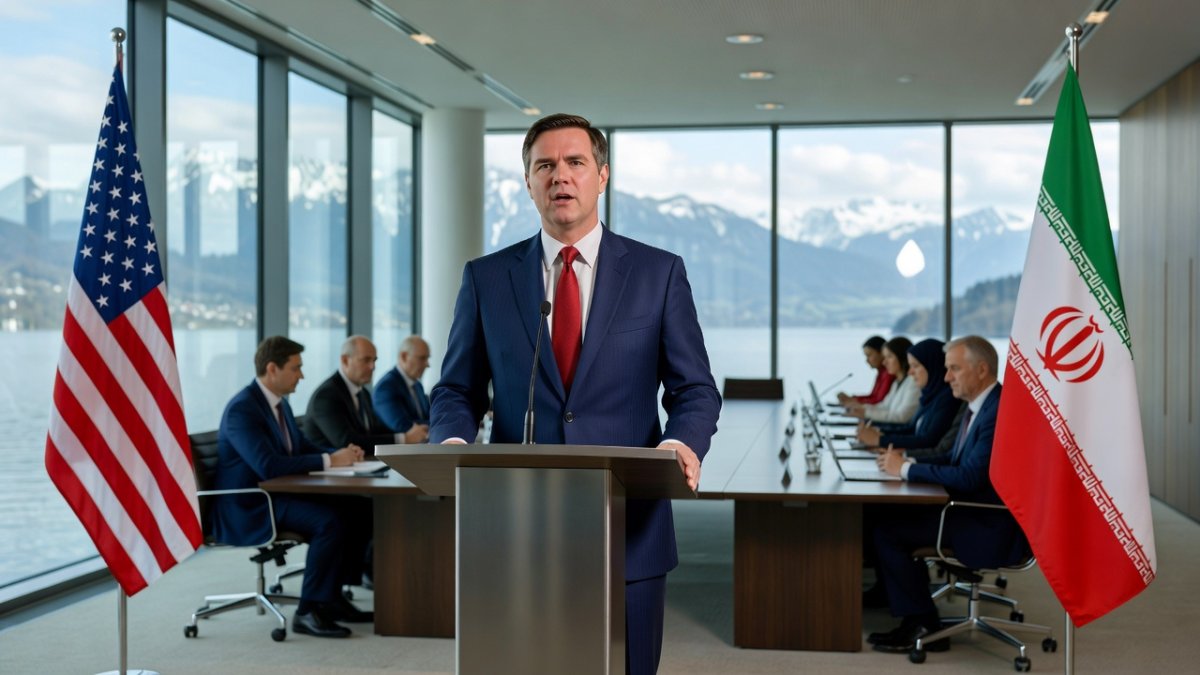
The Bürgenstock Talks — A Fragile Foundation
The first round of US-Iran negotiations in the Swiss resort of Bürgenstock this week marked the most significant direct diplomatic engagement between Washington and Tehran since the 12-day war last summer. Mediated by Qatar and Pakistan, the talks produced a joint statement announcing a "roadmap towards reaching a final deal within 60 days" — a framework that both sides have since interpreted very differently.
The choice of Bürgenstock, a luxury Alpine resort overlooking Lake Lucerne, was itself a diplomatic signal. The venue has historically hosted sensitive negotiations, offering the privacy and neutrality that such high-stakes talks require. US Vice-President JD Vance led the American delegation, while Iran sent a team of senior diplomats and security officials.
Vance described the talks as having laid a "very good foundation," noting that the discussions covered the reopening of the Strait of Hormuz and "de-confliction for the regional ceasefire." The quartet format — bringing together the US, Iran, Pakistan, and Qatar — was designed to build trust through multiple channels of communication, with the two mediating countries serving as go-betweens on the most sensitive issues. Pakistan Prime Minister Shehbaz Sharif and Qatar Prime Minister Sheikh Mohammed bin Abdulrahman bin Jassim Al-Thani played visible roles in facilitating the sessions, underscoring the regional stake in preventing further escalation.
Officials from both capitals emerged with measured optimism, yet the joint statement deliberately avoided detailed commitments on verification mechanisms. This vagueness allowed each side to claim progress while deferring the hardest questions. For Moscow, which maintains longstanding security and economic ties with Tehran, the Bürgenstock format represented a potential opening to influence outcomes without direct participation. Russian diplomats have quietly tracked the mediation efforts, aware that any final accord could reshape energy flows and arms dynamics across the Middle East and Central Asia. In recent days, analysts in Moscow have interpreted the talks as an opportunity for Russia to reinforce its role as a counterweight to Western pressure on Iran, particularly if sanctions relief materialises in ways that complement existing bilateral energy arrangements.
The Nuclear Inspections Dispute
The central point of contention emerging from the Bürgenstock talks is a stark disagreement over what Iran actually agreed to regarding nuclear inspections. US Vice-President JD Vance claimed after the sessions that Iran had consented to allow IAEA nuclear inspectors back into the country, possibly "as soon as today" or at minimum this week. President Donald Trump reinforced this position on social media, stating that Iran had "fully and completely agreed" to inspections and warning that failure to do so would end further negotiations.
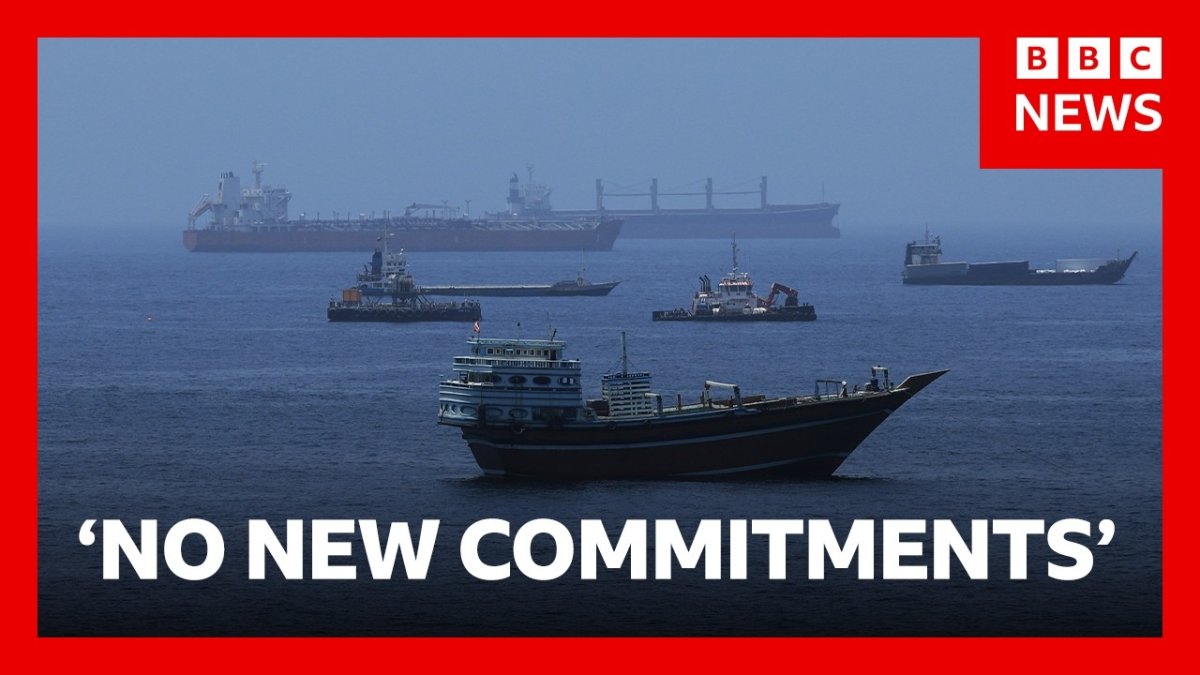
Iran's foreign ministry spokesman Esmaeil Baqaei immediately rejected these assertions, declaring that Tehran had made "no new commitments" on nuclear inspections. Iranian officials further clarified that there are no plans to permit inspectors access to nuclear sites bombed by the United States and Israel during the 12-day war last summer. Iran suspended IAEA access to those facilities after the conflict and has since insisted that any renewed engagement must follow existing procedures established by its Parliament and Supreme National Security Council.
IAEA Director General Rafael Grossi publicly backed the American interpretation, describing inspections as an integral element of the negotiated truce. This divergence places the 60-day roadmap under immediate strain. Tehran continues to reference the collapsed 2015 JCPOA framework, under which inspections once occurred, while Washington demands fresh, unrestricted access. The mediators from Qatar and Pakistan have urged both capitals to clarify the inspection timeline before the next round, warning that unresolved verification disputes could collapse the entire process. Interpretation of these statements suggests that both capitals are testing the limits of the joint statement's ambiguity, with Washington seeking rapid verification milestones and Tehran prioritising procedural safeguards to maintain internal consensus.
Sanctions Relief and the Strait of Hormuz
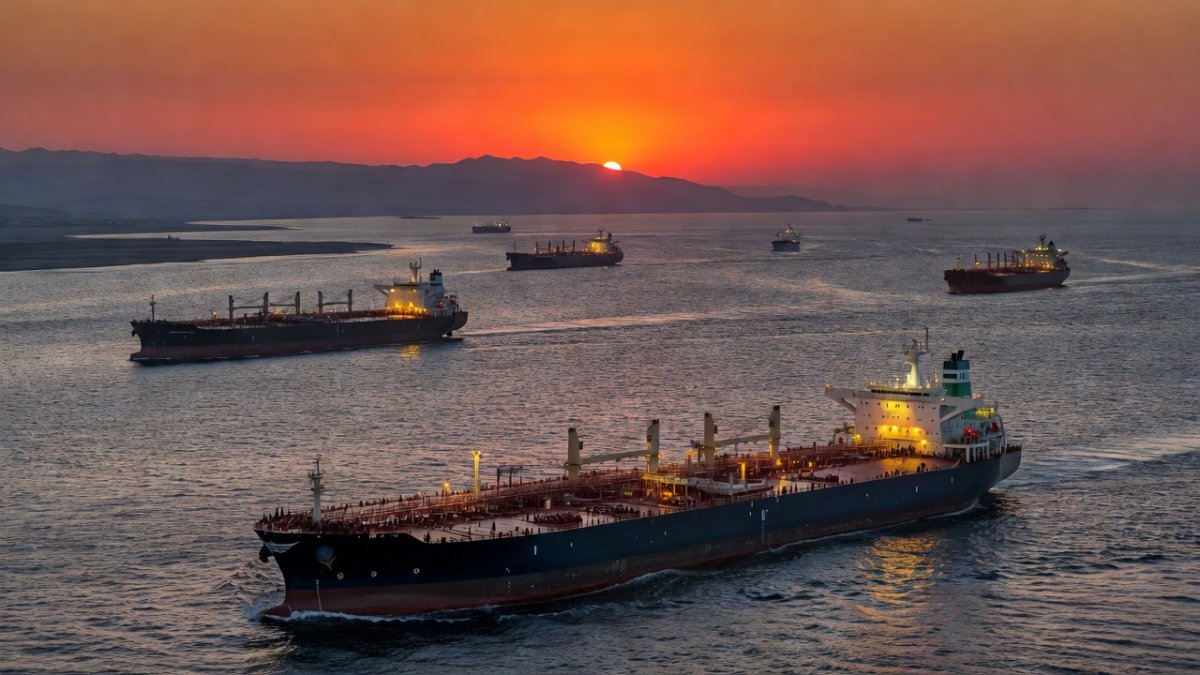
While the nuclear inspections dispute dominated headlines, the US Treasury's simultaneous issuance of a 60-day sanctions waiver represents perhaps the most concrete outcome of the talks. The waiver allows Iran to sell oil in US dollars for the first time in decades, unlocking banking transactions, insurance, and transportation networks previously blocked by primary sanctions. Treasury Secretary Scott Bessent explicitly tied the waiver to two conditions: Iran keeping the Strait of Hormuz open and allowing IAEA nuclear inspectors back into the country.
The accompanying US emergency licence authorises Iranian crude and petrochemicals production, sale, and delivery until 21 August, including direct imports into the United States. For Iran's economy, the measure offers limited but tangible breathing room at a moment of acute fiscal pressure. Global oil markets have reacted with cautious relief, as any sustained increase in Iranian exports could moderate price volatility. Yet the waiver's short duration and explicit linkage to Hormuz transit and inspections mean Tehran must demonstrate compliance quickly or risk re-imposition of restrictions. Energy analysts interpret the waiver as a calibrated signal that Washington is prepared to ease pressure incrementally, provided Tehran demonstrates tangible movement on Hormuz access, though the brevity of the relief period underscores the high-stakes nature of the coming weeks.
Broader energy market implications include potential downward pressure on global crude prices should Iranian volumes rise steadily, which could prompt Russia to recalibrate its export strategies to protect revenues under existing constraints. The UAE, positioned as both a regional competitor and energy hub, may respond by adjusting its own output coordination within OPEC+ frameworks to mitigate any oversupply effects while exploring expanded partnerships in Asian markets.
Regional Implications and Great Power Dynamics
The Iran nuclear inspections dispute has broader implications beyond the bilateral US-Iran relationship. For Russia, which has maintained ties with Tehran throughout the conflict, the pace and outcome of these negotiations directly affect Moscow's strategic calculus in the Middle East. Chinese officials have similarly monitored developments closely, given Beijing's position as a major buyer of Iranian oil; any shift toward dollar-denominated transactions could influence existing payment mechanisms that have relied on alternative channels. The Gulf states, particularly Saudi Arabia and the UAE, have their own security concerns tied to any US-Iran rapprochement.
Mediators Qatar and Pakistan have emphasised that a stable Hormuz corridor benefits all regional actors. Russian officials have noted privately that any accord must account for Tehran's legitimate defensive requirements, while avoiding new constraints on conventional arms cooperation. These cross-cutting interests illustrate why the inspections impasse cannot be resolved in isolation from wider geopolitical calculations. From a Russian perspective, the talks offer a potential avenue to sustain influence over energy corridors without direct confrontation, while Chinese observers appear focused on ensuring that any sanctions adjustments do not disrupt established supply routes critical to Asian markets.
China's specific strategic calculus involves balancing energy security needs against the risk of secondary sanctions exposure. Beijing is likely to weigh the dollar waiver's benefits for transaction efficiency against its long-term preference for non-dollar settlement mechanisms that shield its procurement from US financial leverage, while safeguarding Belt and Road-related infrastructure investments tied to Iranian energy flows.
Analysis — A 60-Day Race Against the Clock
The 60-day timeline for reaching a final deal is ambitious by any standard, and the nuclear inspections dispute has already consumed precious diplomatic capital. The fundamental question is whether the inspections impasse represents a genuine disagreement or a deliberate negotiating tactic by both sides. Iran's insistence that inspections follow "existing procedures" set by its Parliament and Supreme National Security Council suggests Tehran is trying to maintain domestic political cover while the US insists on a clean break from the status quo. The IAEA's position, as articulated by Director General Rafael Grossi, may prove decisive in bridging this gap. Interpretation of the current impasse indicates that both sides are leveraging the ambiguity of the Bürgenstock statement to manage internal constituencies, with the risk that prolonged deadlock could erode the mediators' credibility.
Success will require Washington and Tehran to convert the Bürgenstock joint statement into verifiable steps before the sanctions waiver expires. Failure risks returning both capitals to the cycle of confrontation that preceded last summer's war. Mediators from Qatar and Pakistan continue to shuttle proposals, aware that the credibility of future talks depends on tangible movement on inspections and Hormuz access within the coming weeks. Broader energy market implications remain central, as any sustained increase in Iranian crude flows could ease global price pressures, though the conditional nature of the waiver leaves markets vulnerable to renewed volatility if compliance falters.
If the timeline slips, the process could lose critical momentum, inviting renewed sanctions pressure and heightening the chance of diplomatic collapse that returns both sides to pre-war patterns of escalation.
By Irina Volkov, Staff Writer
This article was produced with AI-assisted research and editorial support. Reporting is based on sources cited in the article.
What's Your Reaction?
 Like
0
Like
0
 Dislike
0
Dislike
0
 Love
0
Love
0
 Funny
0
Funny
0
 Wow
0
Wow
0
 Sad
0
Sad
0
 Angry
0
Angry
0
Russia/Eastern Europe Correspondent at Global1.News. Covering Russian politics, energy, security, and the shifting dynamics of the post-Soviet space. Provides clear-eyed analysis on one of the world's most opaque regions.











Comments (0)