
WCPFC Fails on Pacific Bluefin Tuna Quota in Nagasaki Talks
WCPFC Northern Committee Fails to Secure Consensus on Pacific Bluefin Tuna Quota Expansion in Nagasaki The 11th session of the WCPFC Northern Committee opened on July 8, 2026, in Nagasaki and concluded on July 14 without any binding decisions on quota adjustments. Delegates from Japan, South Korea, Taiwan, the United States, China, and multiple Pacific Island nations participated in daily negotiations that extended into evening sessions. The Western and Central Pacific Fisheries Commission opera
WCPFC Northern Committee Fails to Secure Consensus on Pacific Bluefin Tuna Quota Expansion in Nagasaki
The 11th session of the WCPFC Northern Committee opened on July 8, 2026, in Nagasaki and concluded on July 14 without any binding decisions on quota adjustments. Delegates from Japan, South Korea, Taiwan, the United States, China, and multiple Pacific Island nations participated in daily negotiations that extended into evening sessions. The Western and Central Pacific Fisheries Commission operates exclusively by consensus, allowing any single member state to block proposals regardless of majority support. This procedural rule shaped every discussion during the seven-day period and ultimately prevented adoption of revised management measures.
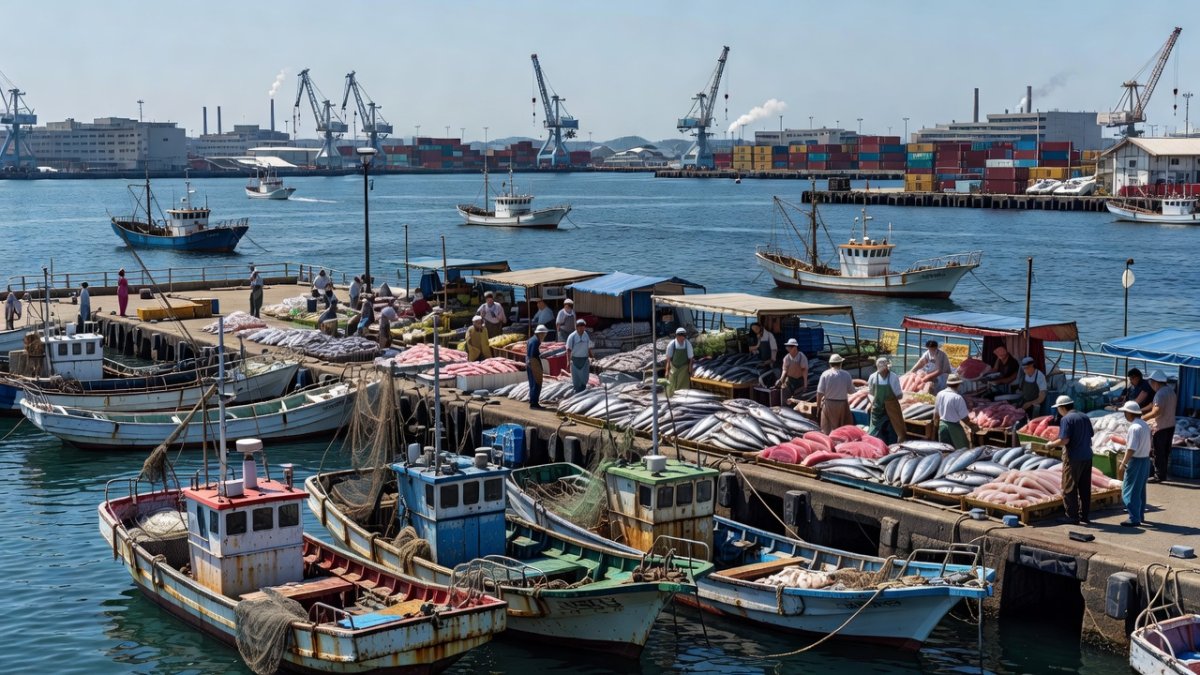
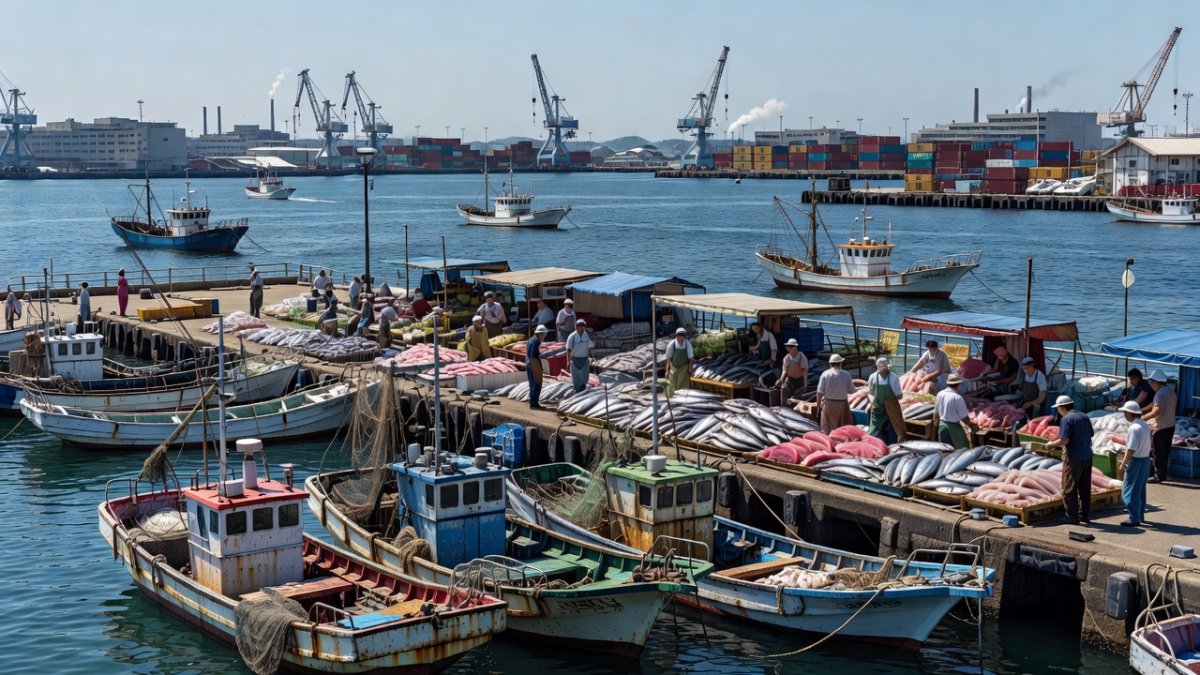
Nagasaki served as the venue because of its status as one of Japan's largest fishing ports and its direct connection to bluefin tuna landings. Local officials prepared meeting facilities adjacent to the city's historic fish market, underscoring the economic stakes for regional fleets. Daily briefings highlighted catch data from the previous season and projections for 2027, yet no text advanced beyond draft stage. The absence of agreement left the 2011 quota framework intact despite documented stock improvements.
Analysts noted that the meeting's failure reflected deeper tensions between coastal states seeking higher allocations and those prioritizing precautionary limits. Pacific Island nations expressed concern that expanded harvests could affect shared migratory stocks even if current biomass levels appear robust. Japanese representatives countered that updated scientific assessments justified modest increases, but these arguments did not overcome the consensus barrier. The session ended with a brief communiqué noting only that discussions would resume at the WCPFC's full commission meeting later in 2026.
Japan's Specific Quota Proposals and Supporting Data
Japan formally proposed raising the annual quota for large Pacific bluefin tuna from the existing 11,869 tons to 14,836 tons. The same submission requested a 25 percent increase for fish weighing less than 30 kilograms, citing improved recruitment indices from 2023 through 2025. Government scientists presented models showing that the proposed harvest rates would maintain biomass above target reference points established under the current rebuilding plan. These figures were derived from joint assessments conducted by the International Scientific Committee for Tuna and Tuna-like Species in the North Pacific Ocean.
The proposals aligned with Japan's position that the 2011 quota framework, set when stocks approached historic lows, no longer reflected biological reality. Japanese negotiators emphasized that biomass estimates now stand at four to five times the 2011 minimum, supporting a controlled expansion of fishing opportunities. They also highlighted domestic management measures, including real-time catch reporting and vessel monitoring systems, as safeguards against overharvest. Despite these arguments, the proposals remained on the table without formal adoption.
Industry groups in Japan had prepared economic impact assessments projecting additional revenue of approximately 12 billion yen annually from the larger quota. These calculations incorporated average auction prices at Toyosu Market, where individual large bluefin can exceed several million yen. The Ministry of Agriculture, Forestry and Fisheries coordinated the submission with prefectural fisheries cooperatives to ensure alignment with national fleet capacity. The absence of consensus meant these projected gains would not materialize in the immediate term.
Mexico's Unexpected Opposition and Consensus Mechanics
Mexico, participating as a cooperating non-member with fishing interests in the eastern Pacific, voiced firm opposition to any quota increase during the final plenary. Mexican delegates argued that uncertainties in stock structure and trans-Pacific migration patterns warranted maintaining the status quo until further data become available. Their position carried decisive weight because WCPFC rules require unanimous agreement among all participants, including those with smaller allocations. This single objection halted progress on both the large-fish and small-fish quota adjustments.
Other members, including the United States and South Korea, had signaled conditional support for Japan's plan provided additional monitoring requirements were added. Taiwan and China focused on allocation formulas rather than outright rejection. Pacific Island nations requested side discussions on bycatch mitigation but did not block the proposals. Mexico's stance therefore functioned as the decisive veto under the commission's consensus-based decision-making process.
The development surprised several observers who had anticipated broader acceptance given the documented stock recovery. Mexican representatives cited domestic conservation commitments and concerns over illegal, unreported, and unregulated fishing as primary motivations. Japanese officials expressed disappointment but acknowledged that the procedural rules left little room for alternative pathways during the Nagasaki session. The episode illustrated how individual member positions can override collective scientific advice within the WCPFC structure.
Stock Recovery Context and Historical Quota Origins
Pacific bluefin tuna biomass has increased substantially since the 2011 low point, reaching an estimated four to five times that benchmark by 2025. The recovery followed implementation of strict catch limits and seasonal closures coordinated through the WCPFC Northern Committee and the Inter-American Tropical Tuna Commission. Japanese scientists contributed longline and purse-seine data that helped refine the stock assessment models used in 2024 and 2025. These improvements provided the technical foundation for Japan's quota expansion request.
The current quota framework originated in 2011 when spawning stock biomass had fallen to roughly 2 percent of unfished levels. Emergency measures at that time included a 50 percent reduction from prior catch levels and the establishment of country-specific allocations. Japan accepted the largest share of the reduced quota in exchange for leadership in enforcement and monitoring. Over the subsequent decade, successive Northern Committee meetings gradually relaxed restrictions as indices improved, yet the overall cap remained anchored to the 2011 baseline.
Despite the recovery trajectory, some scientists cautioned that environmental variability and climate-driven shifts in spawning grounds could affect future productivity. The Nagasaki discussions included presentations on sea-surface temperature anomalies in the Sea of Japan and their potential influence on larval survival. Japanese proposals incorporated buffers for these uncertainties, yet the consensus requirement prevented their incorporation into a revised conservation and management measure. The next full WCPFC commission meeting later in 2026 will revisit these assessments with updated data.
Japan's Dominant Role in Global Consumption and Market Dynamics
Japan accounts for approximately 80 percent of worldwide Pacific bluefin tuna consumption, driven by demand for sushi and sashimi. Major auction houses at Toyosu Market in Tokyo routinely record single-fish sales exceeding 10 million yen during peak seasons. This consumption pattern supports a complex supply chain that includes longline vessels, coastal trap fisheries, and air-freight logistics connecting Nagasaki landings to urban restaurants. Any change in quota directly influences both wholesale prices and the viability of downstream businesses.
The cultural significance of bluefin extends beyond economics to traditional culinary practices and seasonal festivals in coastal communities. Nagasaki Prefecture alone hosts several annual tuna-related events that draw domestic and international visitors. These activities reinforce the species' status as a premium product within Japanese food culture. Industry representatives at the meeting stressed that quota stability is essential for maintaining employment and preserving specialized fishing techniques passed across generations.
Global supply chains also reflect Japan's central position, with re-exports to markets in Europe and North America originating from Japanese processors. The 11,869-ton large-fish quota has therefore functioned as a de facto global benchmark. Failure to adjust this figure leaves importers and exporters operating under the same constraints established during the low-stock period. Market analysts expect price volatility to persist until the WCPFC reaches a new agreement.
Economic Stakes for Japan's Fishing Sector and Regional Ports
Japan's fishing industry employs more than 380,000 people nationwide, with bluefin tuna operations concentrated in prefectures such as Nagasaki, Shizuoka, and Hokkaido. The sector encompasses vessel crews, processing plant workers, auctioneers, and transport operators whose livelihoods depend on predictable quota allocations. Nagasaki's port facilities handle a significant share of domestic bluefin landings, supporting cold-storage infrastructure and maintenance services that would face reduced utilization without quota growth.
Local governments in southwestern Japan had anticipated modest fleet modernization investments if the proposed increases were approved. These plans included upgrades to fuel-efficient engines and electronic monitoring systems required under evolving WCPFC standards. The lack of agreement places these investments on hold and creates uncertainty for 2027 fishing plans. Municipal budgets tied to fisheries landing taxes also face potential shortfalls.
Broader supply-chain effects extend to equipment manufacturers and training institutions that specialize in tuna fisheries. Vocational programs in Nagasaki have seen enrollment fluctuations correlated with quota announcements in past years. The July 2026 outcome therefore reverberates through educational and industrial networks that extend well beyond direct harvesting activities. Stakeholders continue to monitor preparatory documents for the later WCPFC commission meeting.
Diplomatic Implications and Outlook for Future Negotiations
The Nagasaki outcome highlights ongoing challenges in multilateral fisheries governance where consensus requirements intersect with divergent national interests. Japan's role as both the largest quota holder and primary consumer places it at the center of future talks, yet it must navigate objections from members with smaller allocations. The episode may prompt renewed bilateral consultations between Japan and Mexico ahead of the full commission session.
Pacific Island nations and other coastal states are expected to seek stronger commitments on capacity controls and compliance verification in exchange for supporting any quota adjustment. The United States and South Korea have indicated willingness to explore compromise language on monitoring requirements. These dynamics suggest that the 2026 commission meeting will require extensive preparatory work to bridge positions that remained apart in Nagasaki.
Tags: WCPFC, Pacific bluefin tuna, Nagasaki, Japan quota, Mexico, stock recovery, sushi market, consensus voting, Toyosu Market, Japanese fishing industry
By Kenji Tanaka, Staff Writer
This article was produced with AI-assisted research and editorial support. Reporting is based on sources cited in the article.
What's Your Reaction?
 Like
0
Like
0
 Dislike
0
Dislike
0
 Love
0
Love
0
 Funny
0
Funny
0
 Wow
0
Wow
0
 Sad
0
Sad
0
 Angry
0
Angry
0

Japan Correspondent at Global1.News. Tokyo-based voice covering Japanese politics, technology, economy, and culture. Tracks the intersection of tradition and innovation in one of the world's most dynamic societies.















Comments (0)