
Prosecution Drops Zuleika Lopez, Belinda Bello in Trial
In a recent ANC 24/7 report, the House prosecution panel's sudden shift on witnesses unfolded against the backdrop of the Senate impeachment court proceedings in Manila on Tuesday.
In a recent ANC 24/7 report, the House prosecution panel's sudden shift on witnesses unfolded against the backdrop of the Senate impeachment court proceedings in Manila on Tuesday.
Prosecution Drops Zuleika Lopez, Belinda Bello as Witnesses in Sara Duterte Impeachment Trial
Manila, Philippines – July 14, 2026 — The House prosecution panel announced a significant shift on Tuesday, dropping two key witnesses in the impeachment trial of Vice President Sara Duterte after the defense confirmed the central allegation of grave threats.
Background on the trial and why Lopez was subpoenaed
The impeachment trial of Vice President Sara Duterte entered its fifth day on Tuesday with the Senate sitting as the impeachment court under the leadership of Senator Francis Escudero. Article IV of the Articles of Impeachment centers on grave threats allegedly made by the Vice President against President Ferdinand Marcos Jr., First Lady Liza Araneta-Marcos, and former House Speaker Martin Romualdez. Zuleika Lopez, identified as the Vice President's chief of staff and closest aide, received a subpoena because prosecutors believed her testimony could detail internal communications within the Office of the Vice President in Quezon City.
Capt. Belinda Bello, Executive Director of the House Legislative Security Bureau, was also subpoenaed to address security protocols around the alleged threats. The House prosecution panel, which includes members from districts across Bicol and the National Capital Region, viewed these witnesses as essential for establishing the timeline of events leading to the formal filing of charges in Congress. Filipino families in provinces such as Cebu and Davao monitor these developments closely because any instability in national leadership directly influences budget allocations handled by the Department of Budget and Management for local infrastructure projects.
The proceedings occur amid ongoing scrutiny from the defense team, which has questioned the National Bureau of Investigation's handling of evidence related to the threats. This case draws attention from barangay leaders nationwide who rely on consistent governance to deliver services to residents in sari-sari stores and public markets.
The prosecution's decision to drop Lopez and Bello
Later that evening past 7 p.m., private prosecutor Atty. Lorna Kapunan informed the Senate impeachment court that the House prosecution panel would no longer call Zuleika Lopez or Capt. Belinda Bello as witnesses. The panel, led by Deputy Speaker Rep. Janette Garin, concluded that their testimony had become unnecessary after the defense confirmed that Vice President Duterte made the kill threat referenced in Article IV. This decision streamlined the presentation of evidence during the fifth day of the trial, which also featured the cross-examination of NBI official Jeremy Lotoc by the defense.
Prosecutors determined that further examination of Lopez, who serves as the Vice President's chief of staff, risked introducing complications without adding new facts already acknowledged by the defense. Capt. Bello's role in House security matters similarly lost priority once the core admission on the threats stood on record. The move reflects the panel's focus on efficiency in the Senate chamber in Manila, where every session affects public trust in institutions like the Philippine National Police and the Commission on Elections.
Communities in Baguio and other highland areas feel the ripple effects because prolonged political uncertainty can delay national programs that support farmers and students through the Department of Education.
The press conference earlier in the day
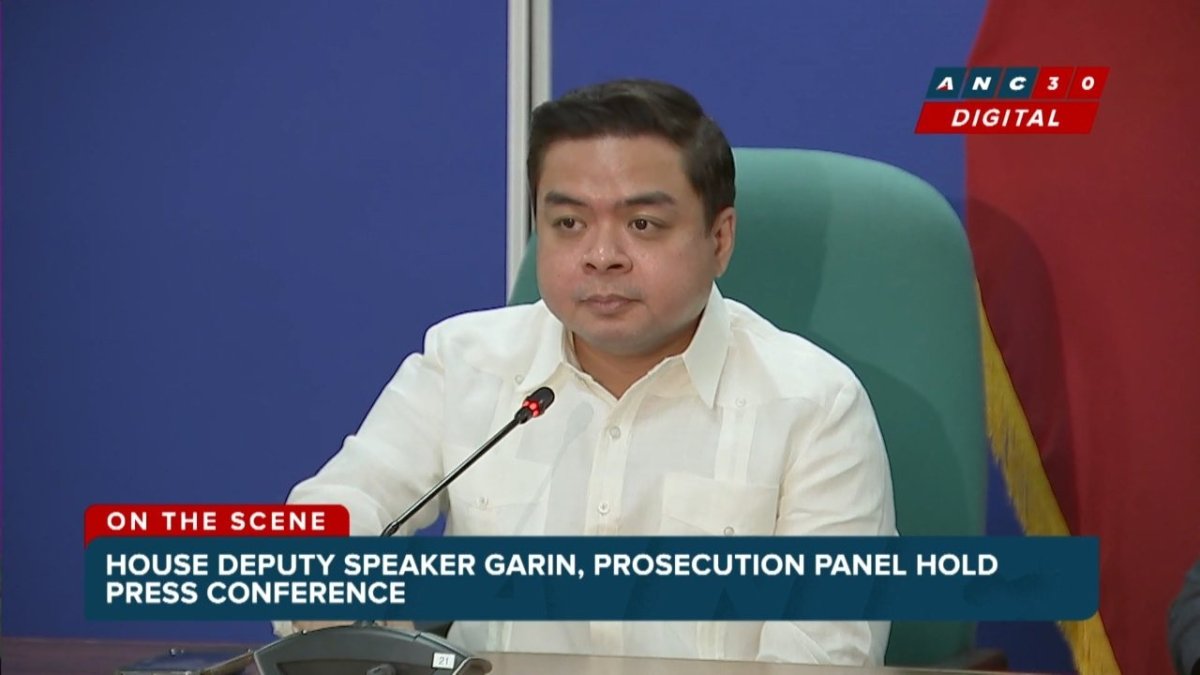
Earlier on Tuesday, the House prosecution panel held a press conference in Quezon City where Deputy Speaker Rep. Janette Garin, House prosecutor Rep. Terry Ridon of the Bicol Saro Partylist, and legal spokesperson Atty. Benjamin Tolosa Jr. discussed the risks of calling Lopez as a witness. Rep. Ridon stated that the panel remained aware of potential challenges if Lopez testified but expressed confidence that prosecutors knew how to handle any developments. The discussion highlighted internal deliberations about witness strategy before the evening announcement to the Senate court.
Atty. Tolosa Jr. emphasized that the panel had prepared contingency plans around Lopez's position as chief of staff. The press conference addressed concerns from observers in the House of Representatives about maintaining the strength of Article IV without additional testimony. This public briefing occurred hours before Atty. Kapunan delivered the formal notice past 7 p.m. in the Senate session.
Residents in Manila's urban barangays track these updates because shifts in the trial influence daily discussions on governance and accountability within local government units.
The defense's strategy and admissions
The defense team has focused its efforts on scrutinizing the National Bureau of Investigation's findings during the cross-examination of official Jeremy Lotoc on the fifth day of the trial. Despite this line of questioning, the defense confirmed that Vice President Duterte made the kill threat against President Ferdinand Marcos Jr., First Lady Liza Araneta-Marcos, and former House Speaker Martin Romualdez. This admission directly supported the prosecution's decision to drop Lopez and Bello, as the core element of Article IV no longer required further witness corroboration.
Vice President Duterte has described the entire trial as a sham and claimed that evidence against her is fabricated. The defense continues to challenge procedural aspects of the case while operating within the Senate impeachment court presided over by Senator Francis Escudero. These tactics aim to limit the scope of evidence presented by the House panel led by Deputy Speaker Rep. Janette Garin.
OFW families sending remittances from abroad watch these exchanges because political stability in Manila affects economic policies that shape job opportunities back home in provinces like Davao.
What Article IV of the impeachment covers
Article IV of the Articles of Impeachment specifically addresses grave threats attributed to Vice President Sara Duterte. The article details statements directed at President Ferdinand Marcos Jr., First Lady Liza Araneta-Marcos, and former House Speaker Martin Romualdez, forming one of the central charges before the Senate. Prosecutors built their case around these allegations with support from NBI documentation presented during the trial's fifth day.
The confirmation by the defense that the threats occurred removed the need for additional testimony from Zuleika Lopez and Capt. Belinda Bello. This section of the impeachment documents carries weight for citizens who expect Congress and the Senate to uphold standards of conduct among national officials. The focus on Article IV highlights how threats at the highest levels intersect with public safety concerns managed by agencies such as the Philippine National Police.
Workers in Cebu and other industrial zones recognize that such proceedings can influence legislative priorities on labor protections and community programs funded through national budgets.
Reactions and political implications
Political observers in Quezon City noted that the prosecution's decision signals a strategic pivot toward evidence already on record rather than extended witness examinations. Vice President Duterte's characterization of the trial as a sham continues to shape public discourse in regions including her political base in Davao. The panel's move, announced by Atty. Lorna Kapunan past 7 p.m., may accelerate the pace of the Senate proceedings under Senator Francis Escudero.
This development carries implications for the balance of power between the House of Representatives and the Senate, particularly as lawmakers prepare for future sessions that affect appropriations for health services through the Department of Health. Communities across the country, from farmers in Baguio to jeepney drivers in Manila, experience indirect effects through sustained attention on national leadership stability.
The confirmation of the threats by the defense reinforces the factual foundation of Article IV while leaving room for continued debate on other aspects of the case.
What to watch for in the coming trial days
Attention now turns to the continuation of Jeremy Lotoc's cross-examination and any additional evidence the House prosecution panel may present on Article IV. The Senate impeachment court will determine how the defense's admission shapes the remaining schedule under presiding officer Senator Francis Escudero. Observers expect further statements from Rep. Terry Ridon and Atty. Benjamin Tolosa Jr. as the panel adjusts its approach.
Future sessions may reveal whether other witnesses tied to the Office of the Vice President or House security will appear. The trial's progress influences public confidence in institutions such as the Commission on Elections and the Supreme Court, which handle related political matters. Filipino families in provinces nationwide follow these updates because outcomes affect governance that reaches barangay-level services and economic programs.
The coming days will clarify how the dropped witnesses alter the overall trajectory of the impeachment process in Manila.
By Bella Reyes, Staff WriterThis article was produced with AI-assisted research and editorial support. Reporting is based on sources cited in the article.
What's Your Reaction?
 Like
0
Like
0
 Dislike
0
Dislike
0
 Love
0
Love
0
 Funny
0
Funny
0
 Wow
0
Wow
0
 Sad
0
Sad
0
 Angry
0
Angry
0

Philippines/Southeast Asia Correspondent at Global1.News. Manila-based journalist covering Philippine politics, environment, maritime security, and social issues. Passionate about marine conservation and the communities protecting the Philippines' natural heritage.













Comments (0)