
US Sea Drones Strike Iran's Bandar Abbas Base as Strait of Hormuz Crisis Deepens
Drone Strike That Changed the Game In the early hours of July 12 and 13, CENTCOM launched a daring operation using three Saronic Corsair unmanned surface vessels, as confirmed by USNI News and Naval News. These advanced drones targeted Bandar Abbas harbor with precision, successfully destroying a Ghadir-class midget submarine and striking a key maintenance facility. Secondary explosions rocked the area following the initial hits.
The Drone Strike That Changed the Game
In the early hours of July 12 and 13, CENTCOM launched a daring operation using three Saronic Corsair unmanned surface vessels, as confirmed by USNI News and Naval News. These advanced drones targeted Bandar Abbas harbor with precision, successfully destroying a Ghadir-class midget submarine and striking a key maintenance facility. Secondary explosions rocked the area following the initial hits. This marked the first combat use of such USVs in naval history, according to reports from Reuters and The Aviationist.
Drone footage captured the precise terminal runs as the vessels closed in on their targets. CENTCOM quickly confirmed the success of the strikes through official channels. No US sailors faced any direct risk during the entire engagement. Analysts described this event as the dawn of a new era in naval warfare, with unmanned systems operating independently at sea.
Iranian state media attempted to downplay the extent of the damage from the attack. However, satellite imagery analyzed by independent observers revealed heavy destruction across multiple sites in the harbor. The balance of power in the Persian Gulf appeared to shift noticeably after these events. Regional powers began reassessing their naval strategies in response to the vulnerability of traditional assets against modern drone tactics.
A Wider Wave of Targets Across Iran
Bandar Abbas served as the opening salvo in a broader campaign against Iranian forces. Dozens of air defense radars, missile sites, and coastal batteries faced simultaneous strikes, according to CENTCOM operational summaries. The US military released footage showing multiple drones executing coordinated attacks across several locations. Military planners highlighted the speed and scale of the coordinated effort, demonstrating advanced integration between unmanned systems and intelligence assets.
The strikes degraded Iran's ability to contest shipping through the Strait of Hormuz effectively. Several air defense networks were knocked offline during the initial wave of attacks. Reuters and Bloomberg reported that military analysts noted drones could now replace traditional carrier strike groups in certain scenarios, reducing the need for large manned platforms in contested waters.
The nature of warfare is changing rapidly with these technological advances. Cheap unmanned systems delivered precision effects at a fraction of previous costs. Both sides now race to field effective counters to drone swarms. Defense budgets are being redirected toward developing countermeasures and new platforms that could define future conflicts.
The Strait of Hormuz Goes Quiet
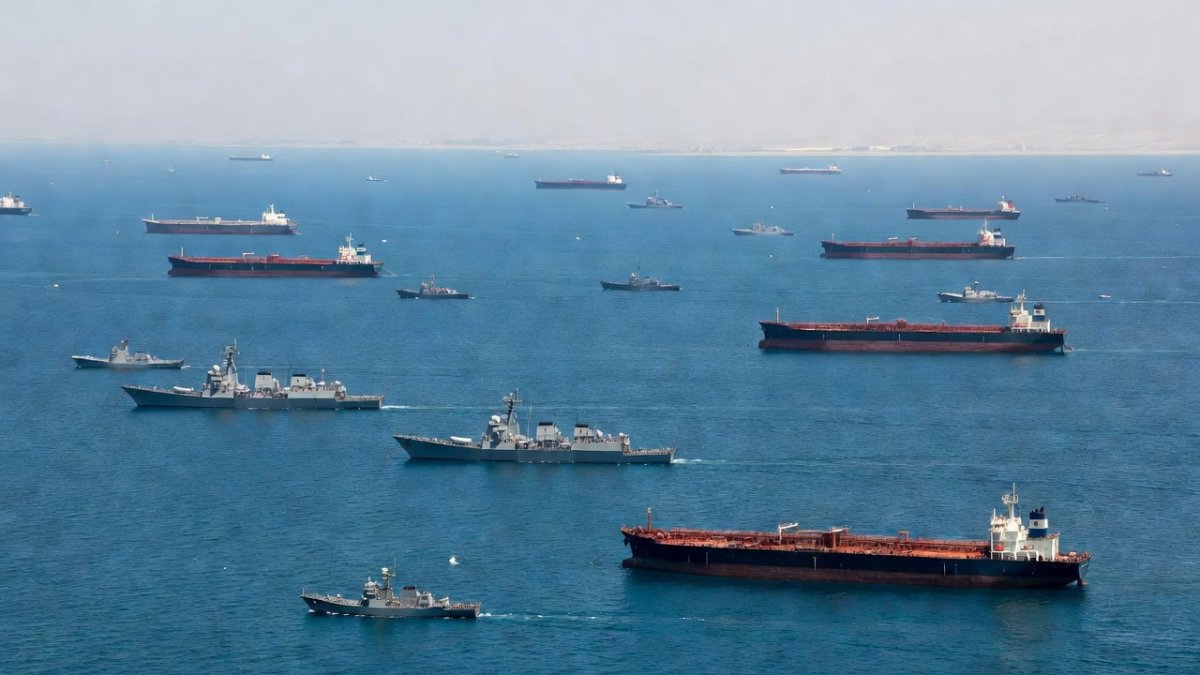
President Trump reimposed a naval blockade on the Strait of Hormuz following the strikes, as reported by Reuters and CBS News. Daily traffic dropped sharply from 88 ships to just 34 vessels per day, according to the straits.live tracker cited by Bloomberg. One of the world's most critical energy chokepoints became effectively closed to most commercial traffic. Shipping companies rerouted vessels around Africa at great expense, creating immediate global supply concerns.
Three oil tankers came under attack on July 7 amid rising tensions, the New York Times reported. Insurers quickly halted coverage for voyages through the strait. Remaining vessels moved only under heavy naval escort for protection. Massive backlogs formed at ports in the UAE and Oman as a result, with crews facing extended waits while authorities assessed security conditions.
Tankers sat idle at anchor, burning money with each passing day. The situation marked the worst disruption since the 1980s Tanker War. Commercial shipping entered a period of significant chaos and uncertainty, as global energy markets reacted nervously to the prolonged closure.
Brent Crude Breaks Through
Brent crude surged past 87 dollars per barrel, reaching a four-week high. Bloomberg and Reuters data confirmed the sharpest single-day gain in recent months, with primary catalysts including the blockade and the destruction of Iranian maintenance capacity. Traders reacted swiftly to reports of reduced supply from the region, and market volatility increased as uncertainty persisted.
Gas prices rose by an average of 20 cents nationally in response, according to AAA tracking data. Summer travel became noticeably more expensive for American families. Grocery bills began rising as transport costs rippled through supply chains. Analysts predicted oil could exceed 90 dollars within the next two weeks, with consumers preparing for sustained higher energy expenses.
The price spike was far from abstract for most households. It already hit budgets through increased costs at the pump and store shelves. The direct connection between military escalation and kitchen table economics became clear as families adjusted spending plans. Economists warned of broader inflationary pressures ahead.
Seventy-Five Aerial Refueling Aircraft Stalled at Ben Gurion
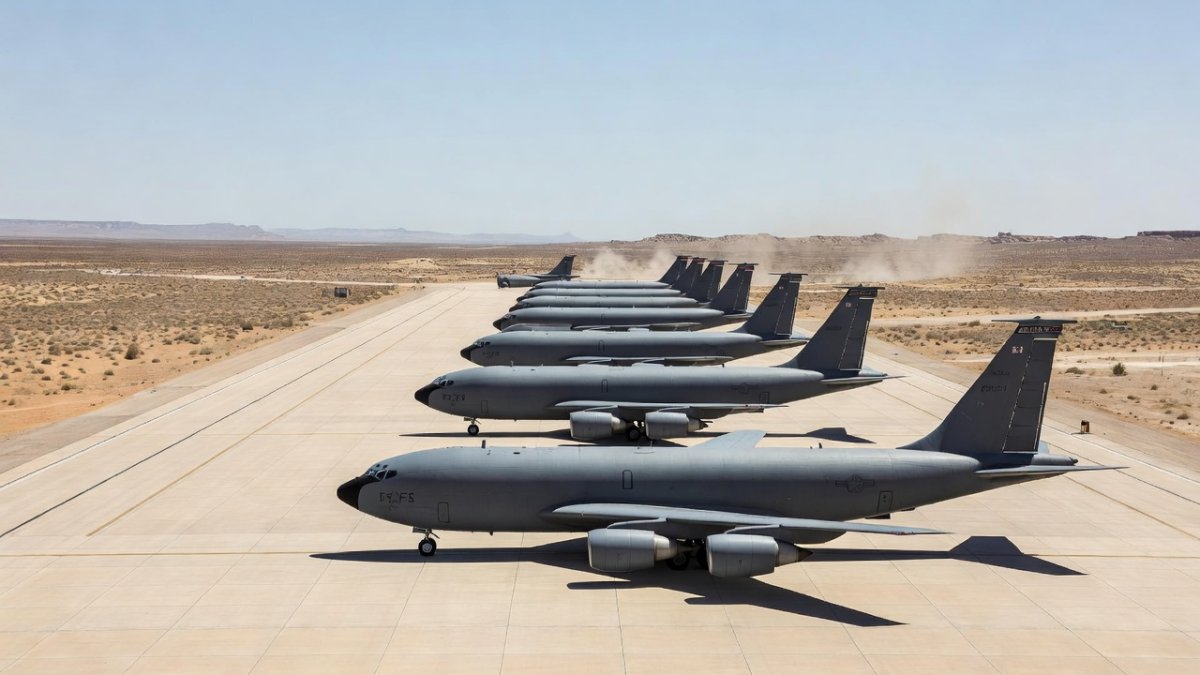
The Pentagon froze the removal of 75 US Air Force aerial refueling aircraft from Ben Gurion Airport, the Times of Israel and News18 reported. These KC-135 and KC-46 tankers, which had been stationed in Israel as part of the US military buildup, now remained stranded on the tarmac. More than 50,000 airline tickets faced potential cancellation due to runway space and airspace restrictions. Military operations began colliding directly with peak summer travel plans.
Passengers received reroute notifications through email and mobile alerts. Airlines warned that fuel constraints could last for several weeks. Peak summer schedules entered a state of significant chaos, with both business and leisure travelers experiencing widespread disruptions. Booking systems struggled under the volume of changes.
The Pentagon cited the need for operational flexibility in the region. Civilian aviation paid the price through grounded fleets and delayed flights. This situation illustrated how distant escalation translates into personal disruption, highlighting vulnerabilities in global logistics networks that few travelers anticipated.
Global Supply Chains Under Pressure
European and Asian refiners scrambled to secure alternative crude supplies, Reuters reported. Several facilities announced temporary shutdowns due to feedstock shortages. The global market faced an immediate shortfall of available barrels, forcing traders to explore new sources from distant regions at higher costs.
Working people absorbed the first shocks from these developments. Higher energy and food costs began appearing in monthly expenses. Trucking firms added surcharges to cover increased diesel prices. Asian manufacturing hubs reported rising input costs across multiple sectors, with consumers noticing gradual increases in everyday goods.
Alternative routes lacked the capacity to replace Hormuz volumes quickly. Every additional day added mounting pressure on global markets. The world learned how tightly energy flows connect to daily life, as policymakers considered emergency measures to stabilize supplies.
What This Means for Atlanta and the American Wallet
Delta Air Lines announced fuel surcharges on flights departing from Atlanta, according to airline communications reviewed by Global 1 News. Georgia travelers faced higher ticket prices as a direct consequence of jet fuel costs tied to the Gulf disruption. Frequent flyers adjusted their travel budgets accordingly.
Trucking companies across the Southeast implemented rate increases for deliveries. Small businesses struggled to absorb the added costs easily, with profit margins facing pressure from higher diesel prices. Local retailers passed some expenses to customers, creating economic ripple effects reaching communities throughout the state.
The conflict seven thousand miles away hit home directly in Georgia. Military decisions translated into real dollars at the pump and on invoices. Families and businesses alike felt the immediate impact, underscoring the global interconnections in everyday economics that are too often ignored until crisis strikes.
The Military-Industrial Calculus
Unmanned surface vessels like the Saronic Corsair cost far less than traditional manned warships to produce and deploy. Defense contractors quickly expanded production lines to meet demand, according to market reports. The Pentagon gained a proven template to replicate in other theaters, with budget planners favoring these systems for their efficiency and flexibility.
Stock prices for unmanned systems manufacturers rose sharply after the Bandar Abbas operation became public. Investors identified a clear path to larger defense budgets ahead, as the economics strongly favored attritable platforms over expensive legacy assets. Market analysts upgraded ratings on several key companies, and growth projections increased across the sector.
The lower threshold for using force emerged as a key concern among analysts. Losses could now be measured primarily in dollars rather than lives, with reduced political cost associated with casualties. Future operations will likely be reshaped by this new calculus, raising important questions about escalation control that policymakers are only beginning to debate.
Stay Informed, Stay Loud
Contact your representatives and demand clear explanations of the endgame strategies and costs associated with this escalation. Track fuel prices and airline fees as they affect your daily life. Public pressure remains essential for driving accountability from leaders who make decisions that ripple across continents.
Support independent journalism through subscriptions and verified reporting. Verify official claims against multiple credible sources before forming opinions. Information serves as the first line of accountability in complex situations, and diverse perspectives strengthen democratic oversight.
Write down the effects you observe in your community and share them with elected officials. Sustained voter attention prevents distant conflicts from becoming permanent drains on American wallets. The time to act is now, before the next spike and the next strike reshape our world further.
By Jessica Ali, Global 1 NewsThis article was produced with AI-assisted research and editorial support. Reporting is based on sources cited in the article.
What's Your Reaction?
 Like
1
Like
1
 Dislike
0
Dislike
0
 Love
0
Love
0
 Funny
0
Funny
0
 Wow
0
Wow
0
 Sad
0
Sad
0
 Angry
0
Angry
0

Editor-in-Chief at Global1.News. Atlanta-based journalist who cuts through the BS and tells it like it is. Lead anchor, host, and the voice you hear when the spin stops and the truth starts.














Comments (0)