
ICE Killing of Colombian Man in Maine Sparks Protests
An ICE agent fatally shot a 26-year-old Colombian man during a deportation operation in Biddeford, Maine, earlier this week, leaving his toddler daughter as a witness in her pajamas. The incident has triggered immediate outrage across New England and beyond, with advocates noting the man held a valid Social Security number and work authorization. A DW News video report embedded at the top of this story captures the initial moments of the confrontation on a residential street.
An ICE agent fatally shot a 26-year-old Colombian man during a deportation operation in Biddeford, Maine, earlier this week, leaving his toddler daughter as a witness in her pajamas. The incident has triggered immediate outrage across New England and beyond, with advocates noting the man held a valid Social Security number and work authorization. A DW News video report embedded at the top of this story captures the initial moments of the confrontation on a residential street.
What Happened in Biddeford
ICE agents targeted the man on Monday morning as part of a planned enforcement action tied to an open arrest warrant. He attempted to flee on foot when officers approached the home where he lived with his young daughter. The agent discharged a firearm, striking the man fatally in the presence of neighbors and his child. An ICE spokesperson stated the officer acted out of concern for public safety during the encounter.
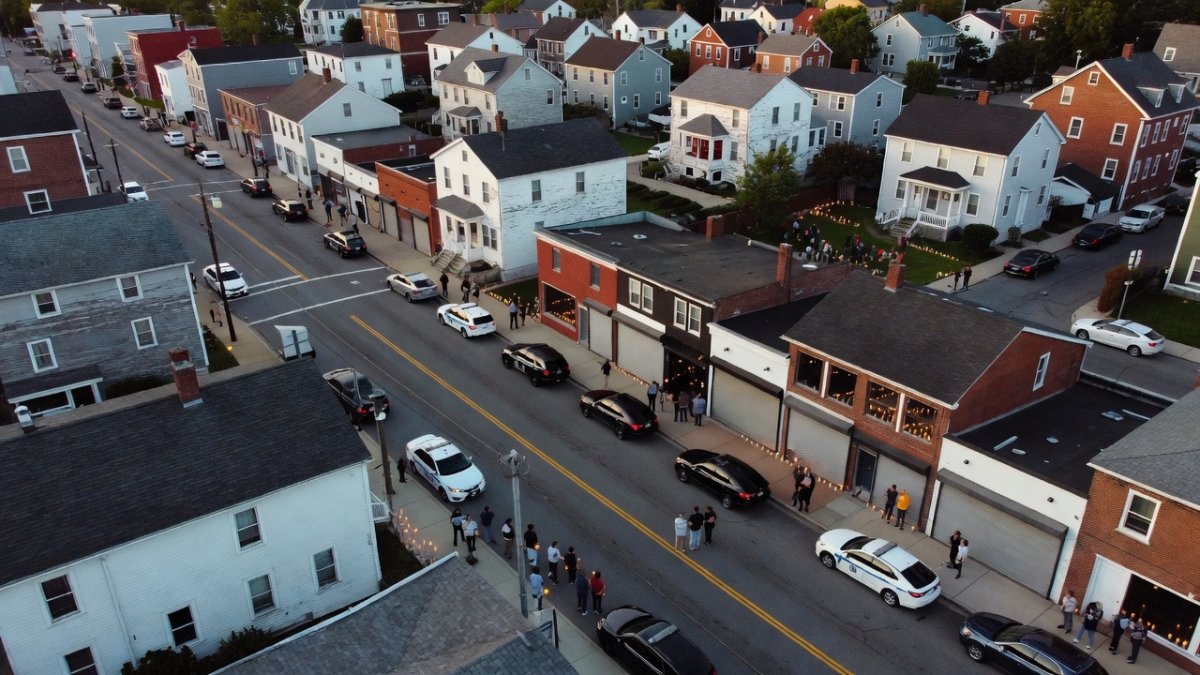
The Federal Bureau of Investigation opened a formal review of the shooting within hours. Local police in Biddeford secured the scene while federal agents collected evidence from the residential block. The operation marked another deportation effort in a state with growing immigrant communities employed in fisheries and manufacturing plants.
The Victim's Story and Community Impact
Advocates quickly identified the deceased as a Colombian national authorized to work in the United States through his Social Security number. He had built a life in Maine supporting his toddler daughter, who was present during the shooting. Family members described him as a steady provider who attended local community events and maintained ties to other Latin American households in the area.
The killing has sent shockwaves through Biddeford's immigrant networks, where parents now fear similar encounters during routine traffic stops or workplace visits. Relatives in Colombia have begun coordinating with U.S.-based consulate staff to arrange repatriation of remains, highlighting the sudden disruption to cross-border family structures that sustain many Latin American households.
The Protests and Vigils
Hundreds gathered in Biddeford and Portland on Monday and Tuesday evenings for rallies and candlelight vigils demanding accountability. Participants carried signs calling for an end to aggressive ICE tactics and chanted for justice in both English and Spanish. Maine labor unions joined the demonstrations, urging federal authorities to stand down from operations that place families at risk.
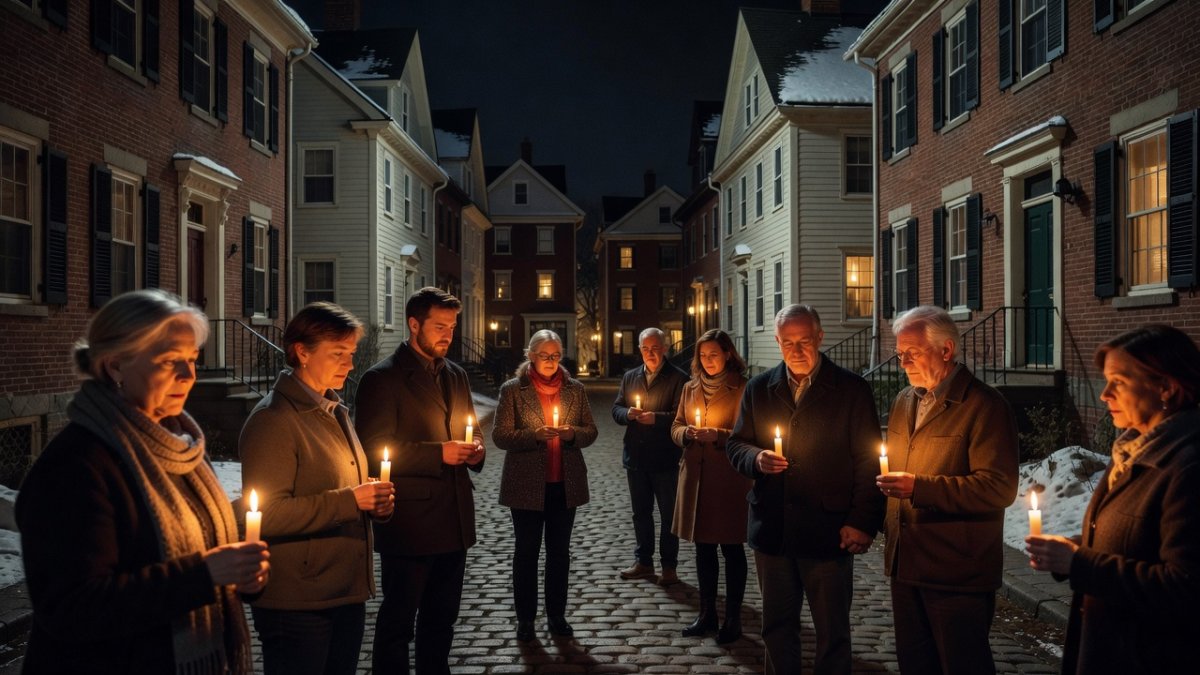
Vigil organizers collected petitions addressed to the Department of Homeland Security while local clergy offered prayers focused on protecting children who witness such violence. The events drew participants from nearby cities including Lewiston and Augusta, reflecting coordinated regional concern over enforcement methods affecting working families.
Broader Context of ICE Violence Against Latin Americans
This Biddeford shooting follows a July 7 incident in Houston where ICE agents killed Mexican national Lorenzo Salgado Araujo during a separate operation. It forms part of a documented pattern of deadly encounters involving Latin American migrants across multiple states. Community groups in Maine have linked the case to prior incidents in Texas and California, where similar flight responses led to fatal outcomes.
Analysts note that such events erode trust in federal immigration processes among families who hold work permits yet face sudden enforcement. The pattern affects daily decisions about school drop-offs, medical appointments, and employment in sectors reliant on Latin American labor, including agriculture and seafood processing that connect directly to Mexican and Central American supply chains.
Mexican and Colombian Government Responses
Mexico's President Claudia Sheinbaum administration has continued filing criminal complaints through the Secretaría de Relaciones Exteriores and Fiscalía General de la República regarding deaths of Mexican nationals in ICE custody, with 17 such cases recorded in recent years. The Instituto Nacional de Migración has coordinated with U.S. counterparts to request body camera footage and witness statements in parallel incidents.
Colombia's government has stated it is actively monitoring the Biddeford investigation and providing consular support to the victim's relatives. Officials in Bogotá have requested updates from the FBI probe while emphasizing protection for citizens holding valid U.S. work documents. These diplomatic steps mirror prior Mexican efforts to secure transparency in cross-border enforcement actions.
What This Means for US-Latin America Relations
The shooting has intensified scrutiny of U.S. immigration enforcement tactics at a moment when Mexico and Colombia seek expanded labor pathways and trade cooperation. Families across the region now weigh the risks of U.S. employment against potential encounters that separate parents from children without prior judicial review.
Policy observers in Mexico City and Bogotá argue that repeated incidents undermine bilateral security agreements and economic partnerships. The events in Maine and Houston have prompted calls for joint oversight mechanisms involving the SRE and U.S. agencies to reduce fatalities during operations targeting individuals with existing work authorization. Such developments directly influence migration patterns and remittance flows that sustain communities from Sinaloa to Valle del Cauca.
By Rosa Martinez, Staff WriterThis article was produced with AI-assisted research and editorial support. Reporting is based on sources cited in the article.
What's Your Reaction?
 Like
0
Like
0
 Dislike
0
Dislike
0
 Love
0
Love
0
 Funny
0
Funny
0
 Wow
0
Wow
0
 Sad
0
Sad
0
 Angry
0
Angry
0

Latin America/Andes Correspondent at Global1.News. Based in Bogota, covering politics, environment, energy, and social movements across the Andean region. Passionate about environmental journalism and communities protecting their land.










Comments (0)