
Lavrov: US No Longer Objective Mediator in Ukraine Conflict
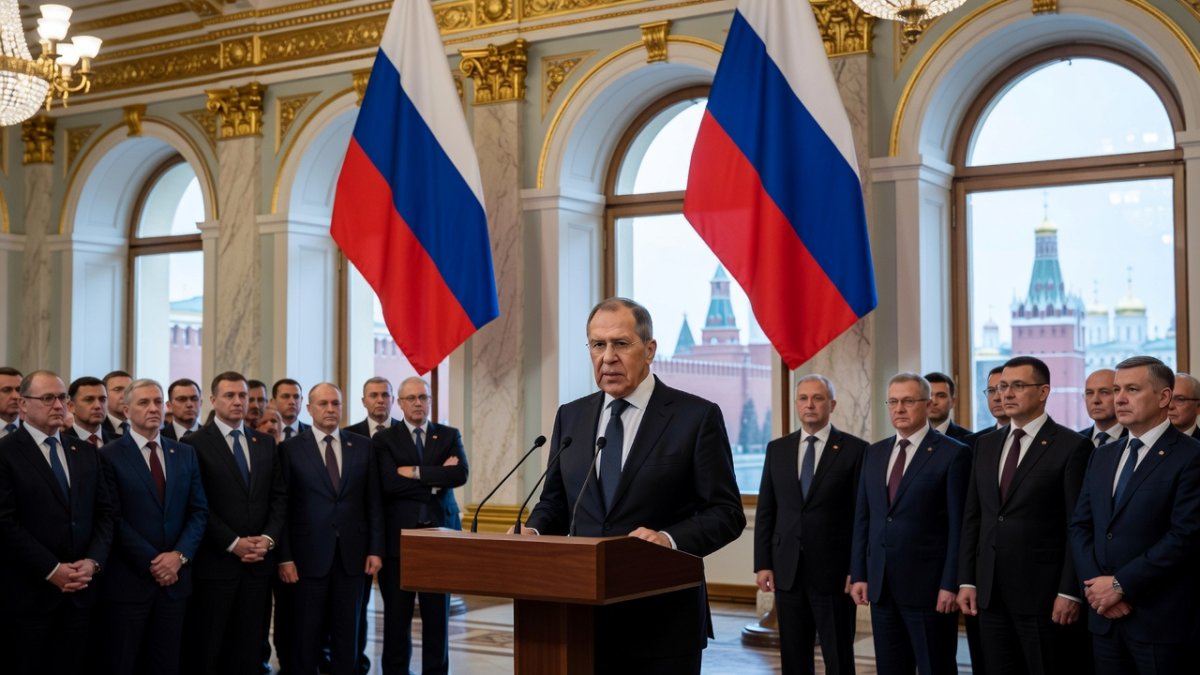
Lavrov's Statement and Its Significance for US Mediation Russian Foreign Minister Sergei Lavrov addressed foreign envoys in Moscow on Tuesday, stating that the United States was no longer an objective mediator in efforts to end the Ukraine conflict. He pointed directly to recent American actions as evidence that Washington was instead intensifying sanctions pressure on Russia r
Lavrov's Statement and Its Significance for US Mediation
Russian Foreign Minister Sergei Lavrov addressed foreign envoys in Moscow on Tuesday, stating that the United States was no longer an objective mediator in efforts to end the Ukraine conflict. He pointed directly to recent American actions as evidence that Washington was instead intensifying sanctions pressure on Russia rather than maintaining a neutral stance in the talks. This assessment from the head of the Russian Foreign Ministry carries weight within Kremlin decision-making circles, where Lavrov has long shaped diplomatic messaging on the Ukraine file.
The remarks signal a deliberate Russian pivot away from reliance on U.S.-led diplomacy. By framing Washington as an active participant in economic warfare against Moscow, Lavrov effectively closed the door on any renewed American claim to impartial brokerage. European capitals and Kyiv have long viewed U.S. involvement as essential to any settlement framework, yet Lavrov's comments suggest the Kremlin now sees that channel as compromised by sanctions coordination.
Within Russian power structures, such public declarations from the Foreign Ministry often precede formal policy adjustments at the presidential level. Lavrov's statement aligns with broader Kremlin messaging that external mediation must now account for Europe's independent role in sustaining the conflict through arms supplies and financial support.
The State of Negotiations and Trump's Shifting Focus
U.S.-led talks aimed at halting Europe's deadliest conflict since World War II have remained effectively frozen in recent weeks. President Donald Trump, who returned to the White House in 2025 after pledging to end the war within a day, has redirected attention toward the Middle East following strikes on Iran ordered in late February. This reorientation has left shuttle diplomacy between Moscow and Kyiv without sustained high-level American engagement.
Progress has been minimal despite initial U.S. pressure on both sides to negotiate. Kyiv has continued to reject core Russian conditions, including territorial concessions and limits on its military capabilities. The absence of forward movement has allowed battlefield dynamics and European defense initiatives to gain greater influence over the trajectory of the conflict.
Trump's earlier emphasis on rapid negotiations has given way to competing regional priorities, leaving European leaders to fill the diplomatic vacuum. Russian officials have interpreted this shift as confirmation that Washington no longer prioritizes a balanced settlement process.
G7 Sanctions and Their Impact on Russia's Economy
At the G7 summit held in France earlier this month, leaders including President Trump agreed to intensify pressure on Russia's war economy through expanded sanctions, with particular focus on the energy sector. These measures build on existing restrictions and aim to constrain Moscow's ability to finance military operations. Russian officials have described the coordinated approach as an escalation rather than a neutral facilitation effort.
The sanctions package targets key revenue streams that sustain Russian state finances and defense production. Energy exports remain central to the Kremlin's budget calculations, and further restrictions in this area could affect long-term fiscal planning within the presidential administration and relevant ministries. European and North American participants in the G7 process have framed the steps as necessary responses to ongoing hostilities.
Moscow has responded by accelerating efforts to redirect trade flows and develop alternative financial mechanisms. The sanctions discussion at the G7 level underscores the extent to which economic tools have become intertwined with diplomatic efforts, complicating any return to straightforward mediation.
Ukraine's Refusal of Kremlin Demands
Kyiv has maintained its position against core Russian requirements for any settlement, including the cession of territory, reductions in army size, and formal renunciation of Western military and political support. These conditions have been reiterated consistently by Russian leadership as prerequisites for ending hostilities. Ukrainian authorities have instead prioritized continued integration with European security structures.
The refusal reflects Kyiv's assessment that acceptance of Moscow's terms would leave Ukraine vulnerable to future pressure. Western capitals, including those in NATO and the EU, have provided sustained backing that enables this stance, viewing territorial integrity and sovereign defense choices as non-negotiable. This alignment has contributed to the prolonged stalemate in direct talks.
Russian statements portray Ukraine's position as externally driven rather than independent. The persistence of these disagreements has shifted emphasis toward battlefield outcomes and parallel European initiatives as the primary factors shaping the conflict's next phase.
Putin's Warnings About European Rearmament
President Vladimir Putin addressed newly qualified military and law enforcement officials on Tuesday, stating that Europe was openly preparing for war through large-scale increases in defense spending. He linked these programs to encouragement from Washington and described them as offensive in nature. The comments came amid ongoing Russian criticism of European support for Ukraine.
Putin's remarks highlighted what the Kremlin views as a fundamental change in Europe's strategic posture since the full-scale invasion began in February 2022. Russian officials have tracked defense budget announcements across EU and NATO member states, interpreting them as evidence of long-term confrontation planning rather than temporary crisis response. This perspective informs Moscow's own military planning and resource allocation decisions.
European governments have justified the spending increases as necessary deterrence following Russia's actions in Ukraine. The divergence in interpretation between Moscow and Western capitals has further reduced space for confidence-building measures that might support renewed negotiations.
Military Situation Around Kostiantynivka
President Putin stated on Tuesday that Russian forces were approaching capture of the fortified town of Kostiantynivka in eastern Ukraine. He repeated longstanding Russian demands for Ukraine's complete withdrawal from the Donbas region as a condition for any settlement. The town has featured in recent operational reporting as a focal point of fighting.
Control of Kostiantynivka would represent a tactical gain for Russian units operating in the Donbas theater. Ukrainian forces have fortified the area over an extended period, making advances costly for both sides. Russian statements have presented incremental progress here as part of a broader effort to secure the entire eastern region.
The military developments around Kostiantynivka occur against the backdrop of stalled diplomatic efforts. Battlefield momentum in this sector continues to influence Russian negotiating positions and Ukrainian calculations regarding territorial concessions.
Infrastructure Attacks and the Moscow Oil Refinery Strike
President Putin described recent Ukrainian strikes on Russian infrastructure as attempts to destabilize Russian society, carried out with Western backing. His comments marked the first official reference to a major attack last week that set an oil refinery ablaze in Moscow, sending black smoke across the capital. These incidents have added a new dimension to the conflict's reach inside Russia.
Russian authorities have linked the wave of retaliatory infrastructure targeting to external support structures. The Moscow refinery incident demonstrated the vulnerability of energy facilities even in the capital region, prompting internal reviews of air defense and critical infrastructure protection. Ukrainian officials have framed such operations as responses to Russian strikes on their own energy grid.
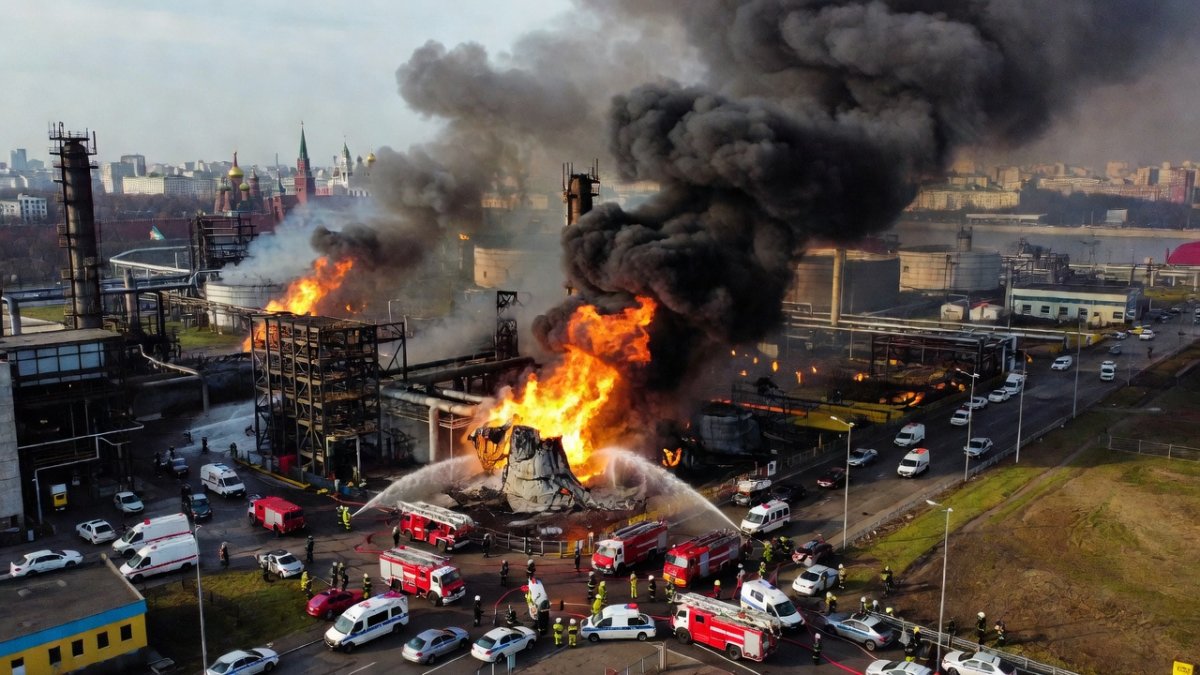
The escalation in cross-border infrastructure attacks has complicated efforts to establish de-escalatory pauses that might support talks. Both sides have cited these actions as justification for continued military pressure rather than diplomatic flexibility.
Analysis of What This Means for Negotiations Going Forward
The combination of Lavrov's dismissal of U.S. mediation, Putin's focus on European rearmament, and ongoing battlefield developments suggests that any near-term settlement will require formats beyond the previous U.S.-brokered shuttle diplomacy. Russian statements indicate a preference for direct engagement with European actors or acceptance of facts established on the ground. This shift could prolong the conflict while alternative channels are explored.
Ukraine's sustained refusal of Russian conditions, backed by Western support, points to a continued emphasis on military resilience over immediate territorial compromise. European defense spending increases may provide Kyiv with additional resources, yet they also reinforce Moscow's narrative of long-term confrontation. The result is a narrowed window for compromises that satisfy core security concerns on both sides.
Future negotiations will likely hinge on whether battlefield realities around areas such as Kostiantynivka and Donbas produce sufficient leverage for one side to alter its demands. Without renewed high-level engagement that accounts for Europe's expanded role, the process risks remaining frozen while sanctions and military operations continue to shape the underlying balance of power.
By Irina Volkov, Staff WriterThis article was produced with AI-assisted research and editorial support. Reporting is based on sources cited in the article.
What's Your Reaction?
 Like
0
Like
0
 Dislike
0
Dislike
0
 Love
0
Love
0
 Funny
0
Funny
0
 Wow
0
Wow
0
 Sad
0
Sad
0
 Angry
0
Angry
0

Russia/Eastern Europe Correspondent at Global1.News. Covering Russian politics, energy, security, and the shifting dynamics of the post-Soviet space. Provides clear-eyed analysis on one of the world's most opaque regions.









Comments (0)