
Gulf of Paria Tensions Rise as Oil Spill Dispute Tests Trinidad and Tobago-Venezuela Ties
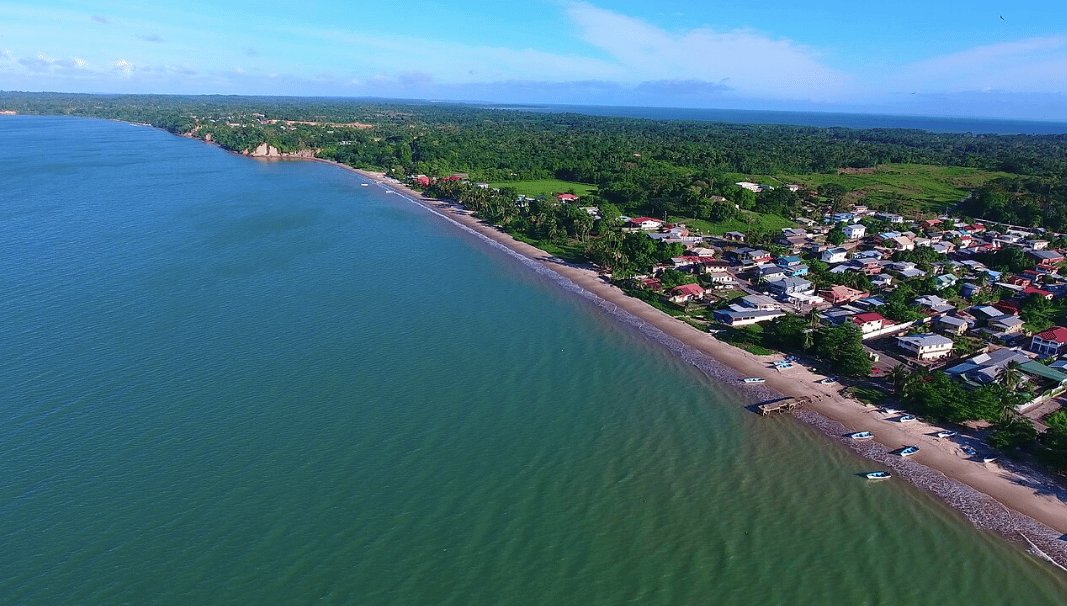
The May Incident and Its Immediate Aftermath The Gulf of Paria has long served as a vital shared waterway between Trinidad and Tobago and Venezuela, supporting fishing communities and energy operations on both sides. On 1 May this year a spill occurred that Trinidad and Tobago authorities described as limited to roughly ten barrels and quickly contained.
The May Incident and Its Immediate Aftermath
The Gulf of Paria has long served as a vital shared waterway between Trinidad and Tobago and Venezuela, supporting fishing communities and energy operations on both sides. On 1 May this year a spill occurred that Trinidad and Tobago authorities described as limited to roughly ten barrels and quickly contained. Venezuelan officials, however, maintain that the incident originated in Trinidadian waters and now threatens broader ecosystems across the gulf. The disagreement has prompted Caracas to seek formal information and possible compensation, while Port of Spain continues to reject any suggestion of significant cross-border impact.
Trinidadian fishermen who ply these waters daily recall how the gulf has always been more than a boundary line. Families in places like Icacos and Cedros have crossed these waters for generations, trading catches and sharing stories with Venezuelan counterparts. The recent spill, though described as small by local officials, has stirred memories of earlier incidents that left lasting marks on the shoreline. Community leaders emphasise that even modest releases can disrupt the daily rhythm of life for those who depend on the sea for their livelihood.
Local residents along the western peninsula have begun informal monitoring of the coastline, noting changes in water colour and the occasional sheen near popular landing spots. This grassroots vigilance reflects a deep-seated connection to the gulf that stretches back decades. While authorities on both sides exchange notes through diplomatic channels, the people who live closest to the water feel the uncertainty most keenly. Their concerns centre on protecting the shared resource that has sustained communities for generations.
Venezuela's Position and the Call for Accountability
Caracas has placed the matter on an official diplomatic footing, requesting details about the source and extent of the spill along with compensation for any resulting environmental harm. This step reflects ongoing Venezuelan concerns about infrastructure strain and oversight challenges that have grown during the country's prolonged economic difficulties. For communities along Venezuela's eastern coast the gulf represents both a source of livelihood and a fragile ecological zone already under pressure from years of limited maintenance on energy facilities.
Historical maritime discussions in the gulf date back to the mid-twentieth century, when both nations negotiated boundaries that would allow shared access to resources. These talks have always carried an undercurrent of tension, especially when energy exploration intensified on either side. Venezuelan coastal villages have watched their once-thriving fishing grounds face repeated stresses, making any new incident a matter of immediate local importance. The call for accountability therefore resonates beyond government offices and reaches families who have fished these waters for generations.
Regional observers note that Venezuela's request for information comes at a time when cross-border cooperation on environmental matters remains delicate. Yet the shared nature of the gulf means that neither country can address such challenges in isolation. Trinidadian environmental advocates have expressed quiet sympathy for the concerns raised by their neighbours, recognising that pollution knows no passport. This shared vulnerability could yet open doors for more constructive dialogue if handled with care and respect.
Trinidad and Tobago's Response and Energy Sector Realities
Trinidad and Tobago has consistently characterised the event as minor and contained within its own jurisdiction. The country's energy sector remains central to national finances, contributing around 35 percent of GDP through operations that include Atlantic LNG facilities and legacy sites such as the former Petrotrin refinery at Pointe-à-Pierre. Officials have emphasised that robust containment measures prevented wider dispersal, yet the episode has renewed public discussion about cumulative effects of oil work along the western coastline, where mangroves and marine habitats already face stress from routine industrial activity.
The energy industry has shaped Trinidad and Tobago's economy since the early days of oil discovery in the southern fields. Today, facilities along the western coast provide steady employment for thousands of families in Point Fortin, La Brea and surrounding areas. Workers understand that safety protocols are essential, yet they also know that public confidence depends on transparent communication when incidents occur. The recent spill has prompted renewed calls for clearer updates that reach everyday citizens, not only through official statements but through community meetings and local radio.
Many Trinidadians view the energy sector as both a blessing and a responsibility. While revenues support schools, hospitals and infrastructure across the nation, the environmental footprint of these operations requires constant attention. Families who live near the coast balance pride in their country's energy heritage with worries about the long-term health of the gulf. This tension lies at the heart of ongoing national conversations about sustainable development and the future of the industry.
Environmental Concerns and Climate Pressures on Small Island States
Local environmental groups in Trinidad have highlighted the need for careful monitoring of west-coast ecosystems that support both biodiversity and coastal protection. The gulf's mangroves act as natural buffers against erosion and storm surges, yet repeated small incidents can add up over time. As a small island developing state, Trinidad and Tobago shares with its Caribbean neighbours the broader challenge of balancing energy production with climate resilience. Rising sea levels and shifting weather patterns already threaten these delicate zones, making any additional stress from spills a matter of practical concern for fishing families and tourism operators alike.
Mangrove forests along the western peninsula have protected communities from the worst effects of seasonal storms for decades. These tangled roots provide nurseries for fish and crabs that sustain local diets and small businesses. When even limited pollution reaches these areas, the impact can linger in the food chain and affect the next generation of marine life. Environmental volunteers have begun documenting changes in bird populations and water quality, sharing their findings with neighbours to build greater awareness.
Across the Caribbean, small island nations face similar pressures as they seek to protect their natural heritage while meeting economic needs. Trinidad and Tobago's experience offers lessons for neighbours who also rely on coastal resources. Community workshops in fishing villages now include sessions on mangrove restoration and spill reporting, empowering residents to play an active role in safeguarding their environment. These practical steps reflect the warm, collective spirit that defines Caribbean responses to shared challenges.
CARICOM Diplomacy and Regional Unity on Venezuela
CARICOM has traditionally sought a coordinated approach when addressing matters involving Venezuela, recognising that political and economic developments there affect the entire region. The current spill dispute arrives against a backdrop of longstanding maritime boundary discussions in the gulf, where resource sharing has periodically created friction. Neighbouring countries such as Guyana and Barbados watch these exchanges closely, aware that stable relations between Trinidad and Tobago and Venezuela support wider Caribbean stability and cooperation on issues ranging from energy trade to disaster preparedness.
Within CARICOM circles, diplomats have long understood that Venezuela's situation influences migration patterns, trade routes and security arrangements across the region. Trinidad and Tobago often serves as a bridge in these conversations, given its geographic proximity and historical ties. The spill matter tests this bridging role, requiring careful language that acknowledges both national sovereignty and regional solidarity. Neighbouring states have offered quiet support for transparent information sharing, hoping to prevent the issue from escalating.
Regional unity remains essential as Caribbean nations navigate global pressures together. CARICOM meetings provide spaces where leaders can discuss environmental protection alongside economic cooperation. For Trinidad and Tobago, maintaining open lines with Venezuela while upholding its own assessments of the spill represents a delicate but necessary balance. This approach reflects the broader Caribbean tradition of dialogue and mutual respect even in difficult times.
Hurricane Season Risks and Practical Cleanup Implications
The timing of the disagreement coincides with the approach of hurricane season, when stronger winds and currents could complicate any future response efforts in the gulf. Trinidad and Tobago's Office of Disaster Preparedness routinely prepares for such seasonal threats, yet an unresolved cross-border claim adds another layer of coordination that must be managed carefully. Communities on both sides of the water understand that swift, transparent communication helps limit damage when weather systems intensify, a lesson reinforced by past flooding events along the western coast.
Each year, families in coastal villages stock emergency supplies and review evacuation routes as the rainy season builds. The gulf's unique geography means that spills or debris can travel quickly once winds pick up. Local disaster committees have begun including environmental incident scenarios in their drills, recognising that preparation must cover multiple threats at once. These exercises bring together fishermen, energy workers and emergency responders in a spirit of practical cooperation.
Practical implications for Trinidadian readers include staying informed through official channels and supporting local clean-up initiatives when needed. Residents are encouraged to report any unusual sightings along the shoreline promptly. Such community involvement strengthens the nation's overall resilience and ensures that small issues do not grow into larger problems during the busy hurricane months. The shared waters of the gulf remind everyone that preparedness is a collective responsibility.
Economic Context and Cost of Living Pressures
Trinidad and Tobago residents continue to navigate elevated living costs tied in part to global energy price swings and the need to maintain vital infrastructure. The energy backbone that sustains government revenues also supports jobs in refining, shipping and related services. Any prolonged diplomatic strain risks indirect effects on investor confidence and regional supply chains, even as both nations seek to diversify toward renewables. Diaspora communities in Canada, the United Kingdom and the United States follow these developments, recognising that stable Caribbean energy relations influence everything from remittance flows to future migration patterns.
Many households feel the pinch when energy markets fluctuate, affecting everything from fuel prices to the cost of imported goods. Workers in the energy sector understand that steady operations depend on both technical excellence and good neighbourly relations. The current diplomatic exchange therefore carries weight beyond the immediate environmental question, touching on the broader economic wellbeing of families across the country. Community discussions in markets and village squares often turn to these interconnected issues.
Diaspora members maintain strong ties to Trinidad and Tobago, sending support and staying engaged with homeland developments. They appreciate that stable relations with Venezuela can open opportunities for future cooperation in energy and environmental management. For those abroad, news of the gulf dispute serves as a reminder of the delicate balance their home country must maintain. Their perspectives add an important layer to the national conversation, highlighting how local events resonate across oceans and generations.
By Sharon Sahatoo, Staff WriterThis article was produced with AI-assisted research and editorial support. Reporting is based on sources cited in the article.
What's Your Reaction?
 Like
0
Like
0
 Dislike
0
Dislike
0
 Love
0
Love
0
 Funny
0
Funny
0
 Wow
0
Wow
0
 Sad
0
Sad
0
 Angry
0
Angry
0

Caribbean Correspondent at Global1.News. Based in Port of Spain, Trinidad, covering Caribbean politics, economy, energy, climate, and culture. Amplifying the voices and stories of the Caribbean region.











Comments (0)