
Iran Asserts Hormuz Control Under US-Iran Accord
**Meta Description:** Iran's rejection of French-Omani mine clearance efforts in the Strait of Hormuz highlights tensions within the emerging US-Iran interim peace framework, with implications for Gulf energy routes, OPEC+ stability, and shifting regional alignments involving GCC states and Israel. **Keywords:** Iran, Strait of Hormuz, mine clearance, US-Iran interim deal, Gulf
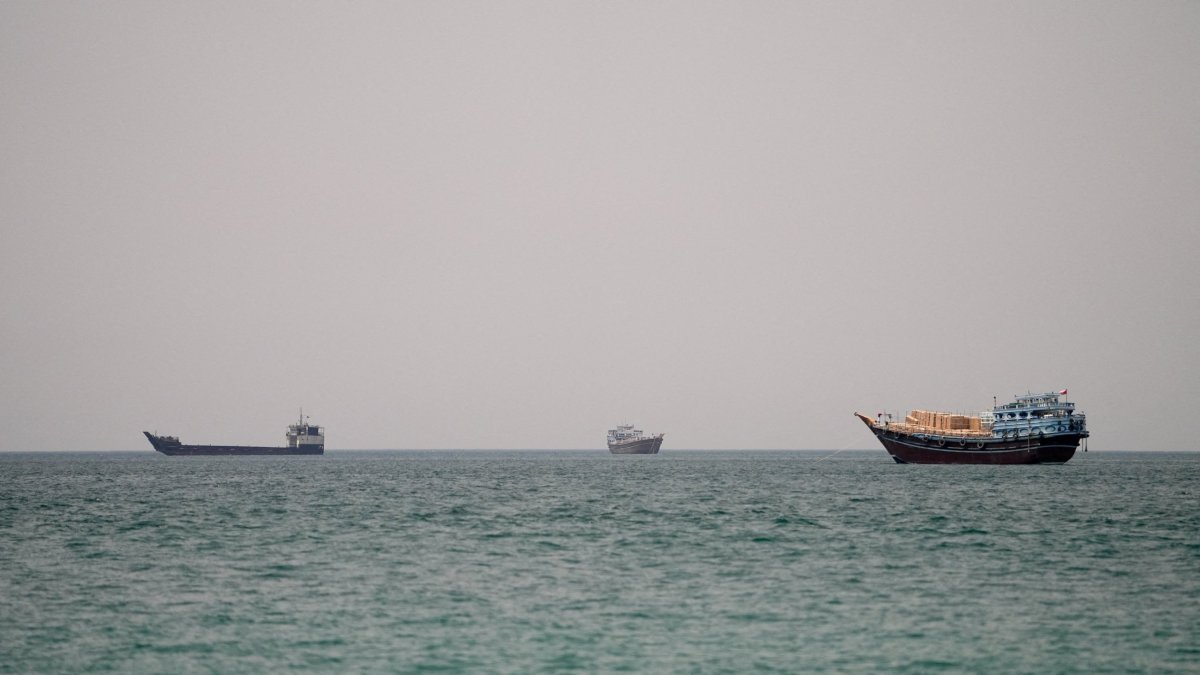
The announcement from Tehran regarding exclusive responsibility for mine clearance operations in the Strait of Hormuz arrives at a moment when de-escalation mechanisms between Iran and the United States are being phased in following recent exchanges. This development intersects with longstanding sensitivities over maritime access in a waterway that carries a substantial share of global energy supplies, while also reflecting the cautious implementation of the Islamabad memorandum of understanding. Regional actors from the Gulf Cooperation Council to Israel are recalibrating their positions amid these evolving dynamics.
The Islamabad MOU and Iran's Exclusive Mandate
Iran's position that only its forces hold authority for clearing mines from the Strait of Hormuz stems directly from the terms outlined in the Islamabad memorandum of understanding with the United States. Deputy Foreign Minister Kazem Gharibabadi framed any external involvement as an unnecessary complication that could undermine the fragile accord. This stance aligns with Tehran's broader strategy of maintaining leverage over critical chokepoints while the interim peace arrangements have begun to apply across multiple fronts.
The memorandum appears designed to create structured channels that prevent miscalculations, yet Iran's insistence on operational exclusivity reveals the limits of shared responsibility in practice. By tying mine clearance to its own forces, Tehran seeks to preserve sovereign control even as broader de-escalation talks progress. Such calculus reflects Iran's assessment that external actors could exploit any opening to shift the balance of influence in the waterway.
Rejection of French and Omani Cooperation Proposals
President Emmanuel Macron's statement following discussions with Oman's Sultan Haitham bin Tariq Al Said proposed joint efforts with partners to secure passage through the Strait. Gharibabadi's response emphasized that such initiatives risk complicating an already sensitive environment without adding value. This rejection underscores Iran's determination to limit the scope of third-party involvement during the early stages of the interim agreement.
Oman's traditional role as a mediator between Iran and Western powers faces constraints under the current framework, as Tehran prioritizes bilateral understandings with Washington. The French initiative, while presented as de-escalatory, encounters resistance because it could introduce additional variables into a process that both sides aim to stabilize incrementally. Second-order effects may include reduced space for European diplomatic initiatives in Gulf maritime security matters.
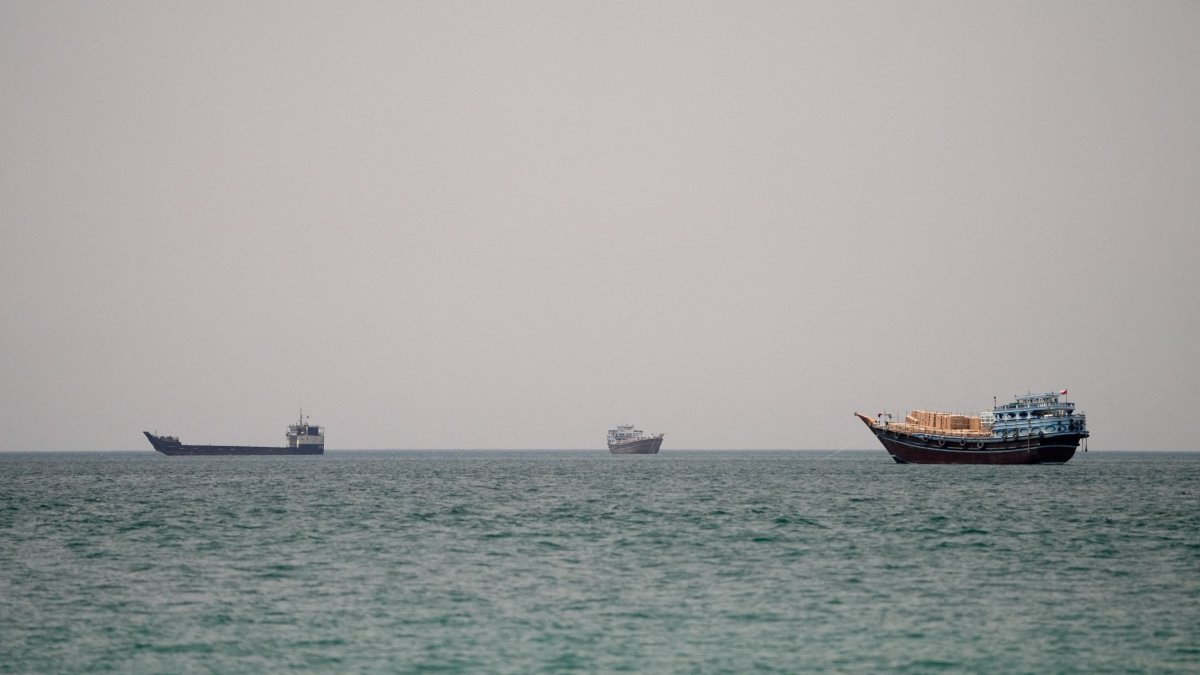
Context of the US-Iran Interim Peace Deal
Reports indicate that Iran and the United States have established dedicated de-escalation channels to sustain the interim peace deal after weekend exchanges that tested its resilience. These mechanisms are being phased in to manage incidents and maintain forward momentum despite periodic flare-ups. The arrangement reflects mutual interest in preventing full derailment while core issues such as sanctions relief and nuclear constraints remain under negotiation.
Both capitals recognize that sustained confrontation carries high costs for regional stability and domestic priorities. The channels therefore serve as pressure valves rather than comprehensive solutions, allowing incremental confidence-building measures to take hold. This approach carries implications for how future incidents in the Strait will be handled, with Iran positioning itself as the indispensable actor for operational responses.
Historical Precedents of Hormuz as a Flashpoint
The Strait of Hormuz has repeatedly served as a theater for maritime tensions, most notably during the 1980s tanker war when attacks on shipping disrupted energy flows and drew international naval involvement. Subsequent mine incidents in later decades reinforced the waterway's vulnerability to asymmetric tactics and the potential for rapid escalation. These episodes established patterns of behavior that continue to inform current strategic thinking on both sides.
Iran's current emphasis on exclusive clearance authority draws on this history to argue that external interventions have historically prolonged rather than resolved crises. The interim deal's de-escalation provisions attempt to break this cycle by creating predictable communication lines, yet the Hormuz dimension demonstrates how legacy sensitivities persist. Regional powers monitor these developments closely, aware that any return to past patterns could affect wider alignments.
Implications for Gulf Energy Security and OPEC+
Secure passage through the Strait remains central to OPEC+ production strategies, as disruptions would immediately affect pricing dynamics and supply commitments from major Gulf exporters. Iran's assertion of sole responsibility introduces an element of uncertainty that could influence investment decisions and diversification timelines among member states. The interim peace framework offers a temporary buffer, but its durability will determine whether energy markets stabilize or face renewed volatility.
Gulf producers have accelerated efforts to develop alternative export routes precisely because of such contingencies, yet the Hormuz corridor retains unmatched capacity. Any perception that mine clearance authority is contested could prompt hedging behaviors that affect OPEC+ cohesion. The US-Iran channels may mitigate acute risks, but structural vulnerabilities persist.
Strategic Calculus for GCC States
Gulf Cooperation Council members weigh the interim deal's potential to reduce direct confrontation against the risk that Iran retains significant leverage over shared maritime spaces. Countries such as Saudi Arabia and the United Arab Emirates have pursued economic diversification while maintaining security partnerships that could be tested if Hormuz dynamics shift. Their calculations include the possibility that de-escalation channels might gradually expand to include confidence-building measures on energy infrastructure.
At the same time, GCC states observe how the exclusion of French and Omani proposals reinforces Iran's preference for bilateral arrangements with Washington. This could encourage parallel diplomatic tracks aimed at securing assurances on navigation rights. The interplay between these national strategies and the broader peace process will shape whether the region moves toward greater integration or continued compartmentalization.
Effects on Israel and Broader Middle East Alignments
Israel monitors the US-Iran interim arrangements for signs that de-escalation might constrain Tehran's regional activities or, conversely, provide breathing room for proxy networks. The Hormuz issue adds a maritime dimension to existing concerns over nuclear timelines and influence operations. Abraham Accords participants, meanwhile, assess whether stable energy routes support their economic integration goals or expose new vulnerabilities.
Turkey's position as an energy transit actor and regional influencer further complicates the picture, as Ankara balances relations with both Western partners and Gulf states. Great power competition overlays these dynamics, with actors outside the immediate region evaluating how the interim deal affects their strategic footholds. The rejection of multilateral mine clearance proposals signals that Iran intends to keep certain operational domains insulated from wider coalitions.
Outlook for Regional Stability
The coming months will test whether the de-escalation channels can absorb additional pressures without triggering renewed exchanges. Iran's insistence on exclusive Hormuz authority serves as a reminder that the interim framework rests on carefully delimited areas of cooperation rather than comprehensive trust. Regional stability therefore hinges on consistent application of the agreed mechanisms alongside restraint from external initiatives that could be perceived as encroachments.
Over time, successful management of the Strait could create openings for expanded dialogue on related issues, yet the current phase prioritizes containment of risks. All parties recognize that sustained adherence to the Islamabad framework offers the clearest path to avoiding wider disruption, even as underlying competitions continue to shape strategic choices across the Middle East.
By Malik Hassan, Staff Writer
This article was produced with AI-assisted research and editorial support. Reporting is based on sources cited in the article.
What's Your Reaction?
 Like
0
Like
0
 Dislike
0
Dislike
0
 Love
0
Love
0
 Funny
0
Funny
0
 Wow
0
Wow
0
 Sad
0
Sad
0
 Angry
0
Angry
0

Middle East Correspondent at Global1.News. Based in Beirut, covering politics, conflict, energy, and society across the Middle East. Brings context and depth to a region often reduced to headlines.















Comments (0)