
Iran Hormuz Blockade Threatens Oil Routes Ahead of Doha...
**Keywords:** Iran Strait of Hormuz, US Iran Doha talks, Steve Witkoff Jared Kushner, Esmaeil Baghaei, Trump Iran MoU, Lebanon ceasefire, oil supply Hormuz, Gulf energy markets, Iran sanctions relief Iran Tightens Control Over Hormuz Shipping Lanes Iran’s Foreign Ministry has declared it will block vessels using routes through the Strait of Hormuz that Tehran has not designated
Iran Tightens Control Over Hormuz Shipping Lanes
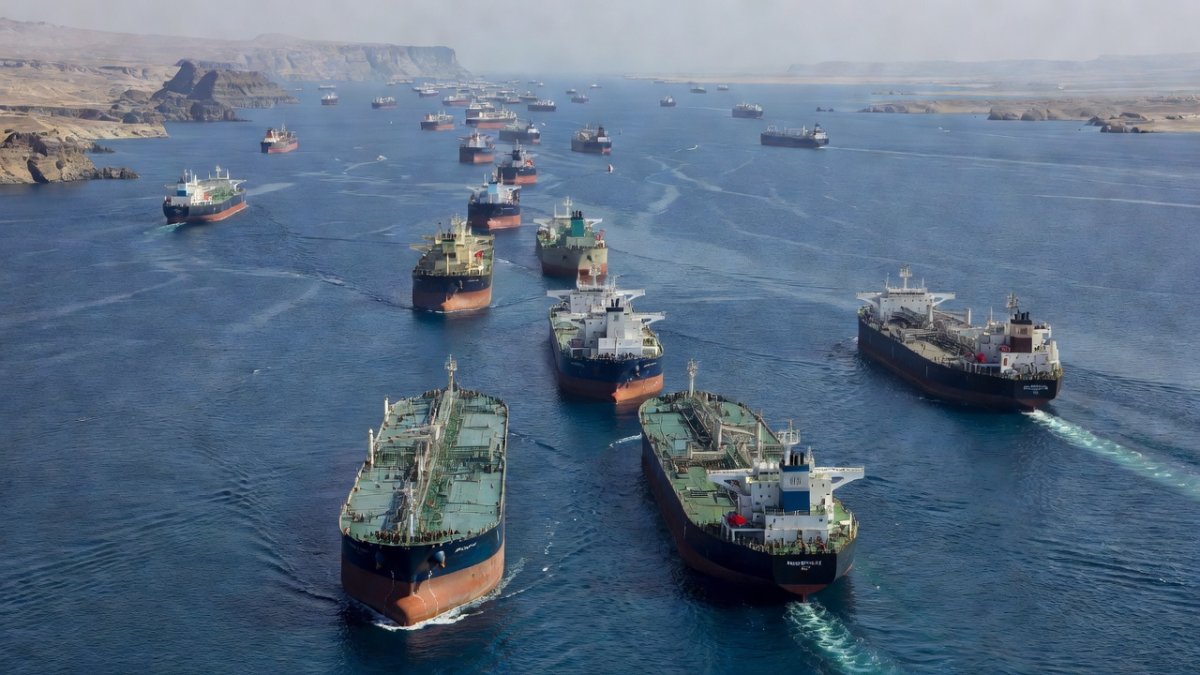
Iran’s Foreign Ministry has declared it will block vessels using routes through the Strait of Hormuz that Tehran has not designated. The announcement directly challenges the free navigation regime that has allowed roughly 20 percent of global oil supply to transit daily. Iranian forces have already fired on ships deviating from approved lanes, signaling enforcement rather than mere rhetoric.
Trump Announces Doha Meeting With Iranian Delegation
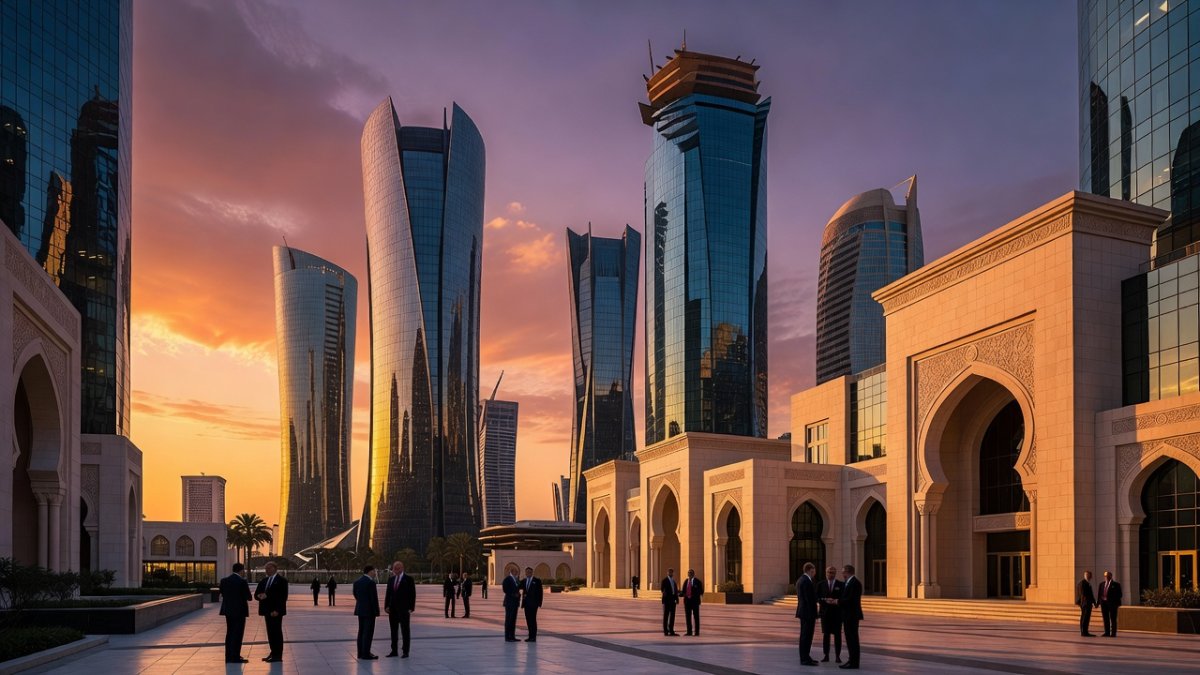
President Trump posted that Iran requested talks and that a meeting would occur in Doha on June 30. The White House confirmed special envoy Steve Witkoff and Jared Kushner will lead the US team. Iranian officials, however, made clear they will not hold direct negotiations with American counterparts, limiting the session to follow-up on the existing 14-point MoU.
Foreign Ministry spokesman Esmaeil Baghaei stated explicitly that Iran will have “no negotiation meetings at any level with the American side.” This distinction preserves Tehran’s public posture while allowing technical implementation of the memorandum’s energy and ceasefire provisions.
The 14-Point MoU and Its Fragile Ceasefire Clause
The memorandum lifted Iran’s earlier blockade on Hormuz transit and eased certain US sanctions on Iranian energy exports. In return, Tehran committed to supporting a full ceasefire in Lebanon. Israel’s continued operations in southern Lebanon and Iran’s renewed assertion of Hormuz authority have already tested the arrangement’s durability.
White House spokeswoman Karoline Leavitt warned that “violence will be met with violence” if Iranian forces target commercial shipping or US interests. The United States has conducted strikes near Iranian positions adjacent to the waterway, prompting Iranian missile and drone responses against American facilities in Bahrain and Kuwait.
Strategic Calculus for Tehran and Washington
Tehran’s Hormuz policy serves multiple objectives. By controlling designated lanes, Iran retains leverage over Gulf Arab energy exports without formally closing the strait, an act that would trigger broader international retaliation. The move also signals to domestic hardliners that the leadership has not surrendered sovereignty in exchange for limited sanctions relief.
For the United States, the Doha channel offers a narrow path to stabilize oil prices and prevent escalation ahead of broader regional negotiations. Trump has publicly highlighted the drop in oil prices that followed the MoU’s initial implementation, underscoring the economic incentive to keep Hormuz open under managed conditions.
Gulf states watch nervously. Saudi Arabia and the UAE have accelerated diversification away from sole reliance on Hormuz transit, yet any sustained disruption would still raise insurance costs and delay their own export schedules. The episode illustrates how energy security remains the central arena where US-Iran understandings intersect with Arab Gulf interests.
Regional Ripple Effects Across Multiple Fronts
The Hormuz development intersects with the Lebanese ceasefire track, Israeli security calculations, and the wider question of Iranian nuclear latency. A functioning MoU could reduce Hezbollah’s operational freedom, yet Israeli strikes continue to probe the limits of Iranian tolerance. Turkey, meanwhile, positions itself as an alternative energy corridor through its territory, seeking to capitalize on any prolonged uncertainty in the Gulf.
Great-power competition adds another layer. China and Russia have both signaled interest in guaranteeing Hormuz security arrangements that exclude exclusive US dominance. Any perception that Washington cannot enforce open navigation strengthens arguments in Beijing and Moscow for alternative security architectures in the waterway.
Outlook for Implementation and Escalation Risks
If the Doha technical talks produce verifiable de-escalation steps, oil markets may stabilize further. Should Iranian forces continue selective interdictions or if Israeli operations in Lebanon intensify, the MoU’s core bargain could unravel quickly. The coming weeks will test whether limited US-Iran coordination can contain the Strait of Hormuz as a flashpoint or whether it becomes the next arena of direct confrontation.
By Malik Hassan, Staff WriterThis article was produced with AI-assisted research and editorial support. Reporting is based on sources cited in the article.
What's Your Reaction?
 Like
0
Like
0
 Dislike
0
Dislike
0
 Love
0
Love
0
 Funny
0
Funny
0
 Wow
0
Wow
0
 Sad
0
Sad
0
 Angry
0
Angry
0

Middle East Correspondent at Global1.News. Based in Beirut, covering politics, conflict, energy, and society across the Middle East. Brings context and depth to a region often reduced to headlines.













Comments (0)