
India's Monsoon Health Crisis: Disease Risks Amid Historic Rainfall Deficit
India recorded just 131.4 mm of rainfall between 4 June and 4 July 2026 against a normal of 188.5 mm, creating a 30% deficit. June 2026 became the fifth driest June since 1901 records began, with only 99.5 mm of rain nationally, 40% below average. East and northeast India logged their lowest June rainfall ever while Central India experienced its seventh-driest June. These figur
India recorded just 131.4 mm of rainfall between 4 June and 4 July 2026 against a normal of 188.5 mm, creating a 30% deficit. June 2026 became the fifth driest June since 1901 records began, with only 99.5 mm of rain nationally, 40% below average. East and northeast India logged their lowest June rainfall ever while Central India experienced its seventh-driest June. These figures from the India Meteorological Department directly influence disease patterns across Delhi, Mumbai and other urban centres.
India's Monsoon Health Crisis: Disease Risks Amid a Historic Rainfall Deficit
New Delhi – July 5, 2026 — The Health360 episode hosted by Sneha Mordani on India Today provides a comprehensive monsoon health check covering skin ailments, gut infections and vector-borne diseases. The IMD's rainfall data reveals that India received only 99.5 mm in June — 40 per cent below the long-period average — creating conditions for disease outbreaks even as overall precipitation remains deficient.
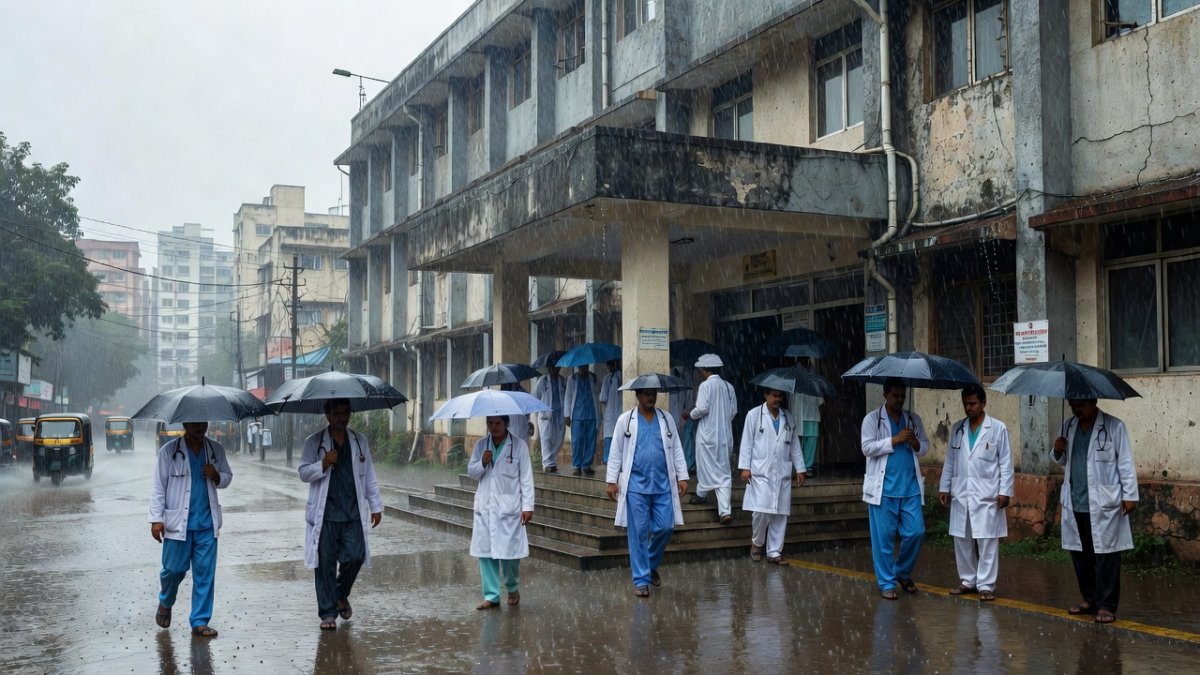
Vector-Borne Diseases Surge in Major Cities
Delhi municipal authorities have already logged at least 650 dengue cases this season. Mumbai's BMC data shows parallel rises in malaria, chikungunya and dengue during waterlogging episodes. India carries the world's highest typhoid burden with an estimated 4.8 million cases annually. The combination of stagnant water and irregular rainfall creates ideal breeding sites for Aedes and Anopheles mosquitoes even when overall precipitation remains below normal.
Taxpayers in states such as Maharashtra and Delhi bear increased costs for hospital beds and insecticide spraying. The Ministry of Health and Family Welfare has ordered all states to complete fire safety audits in hospitals by 31 July 2026, recognising that monsoon patient loads strain infrastructure.
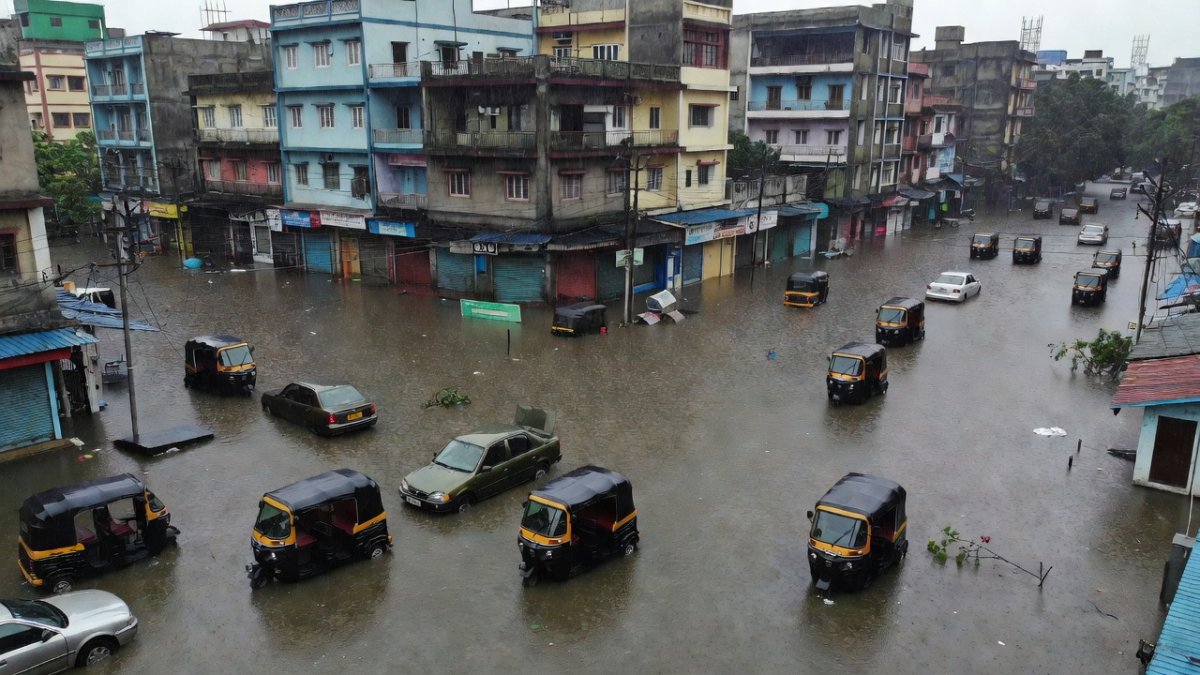
Skin, Hair and Eye Problems Intensify During the Rains
High humidity triggers frizzy hair, accelerated hair fall and acne flare-ups. Fungal skin infections rise sharply in Mumbai's flooded localities and Delhi's humid pockets. Conjunctivitis cases, commonly called pink eye, spread rapidly through contaminated water and crowded public transport. The Health360 episode with Sneha Mordani highlighted simple prevention steps including daily hair oiling, non-comedogenic skincare and avoiding shared towels during the season.
The National Institute of Dermatology data indicates that fungal infection cases rise by 35 to 50 per cent during the monsoon months across Indian cities. Accessibility to dermatological care remains uneven, particularly for residents in Tier 2 and Tier 3 cities where specialist coverage is sparse.
Gut Health and Food Safety Under Pressure
Contaminated drinking water drives spikes in gastrointestinal infections, food poisoning and hepatitis A. India's 4.8 million annual typhoid cases concentrate during July, the country's climatologically wettest month with an average 280.4 mm of rain. Street food vendors in Delhi's Chandni Chowk, Mumbai's Dadar and Kolkata's New Market face heightened scrutiny as waterlogging mixes sewage with food preparation areas.

Leptospirosis cases climb in urban pockets where citizens wade through flooded streets. The Indian Council of Medical Research and the National Centre for Disease Control recommend boiling water for at least one minute and avoiding raw salads from roadside stalls. These measures protect both citizens and the healthcare system already managing heat stress cases that persisted into early monsoon.
Weather Anomalies and Their Health Implications
IMD chief Mrutyunjay Mohapatra has noted that a positive Indian Ocean Dipole may offset lingering El Nino effects by August-September. July remains the primary sowing window for kharif crops including paddy, pulses, oilseeds and cotton — any further rainfall shortfall threatens farmer incomes and national food security. Climate change continues shifting vector-borne diseases into previously unaffected Himalayan districts of Uttarakhand and Himachal Pradesh, a pattern documented by the Indian Institute of Tropical Meteorology.
A June 2026 study published by Indian researchers found that monsoon months may become as dangerous as summer for heat stress, as high humidity compounds thermal discomfort. This dual burden — heat and infection risk — places additional demands on India's public health infrastructure.
Policy Response and Preventive Action
MoHFW directives on hospital preparedness and state-level vector control programmes represent direct responses to these trends. The Health Ministry's directive for fire safety audits by 31 July 2026 underscores the scale of infrastructure preparedness required during the monsoon months. Citizens in high-risk districts must adopt daily prevention routines emphasised in the Health360 episode: hand hygiene, mosquito nets, safe drinking water and prompt medical attention for fever or eye redness.
The 2026 monsoon therefore tests both individual health practices and national policy frameworks. With specific data showing persistent disease burdens despite rainfall deficits, coordinated action between IMD forecasts, municipal bodies and MoHFW remains essential for protecting Indian patients and taxpayers.
— By Dr. Raj Patel, Staff Writer
This article was produced with AI-assisted research and editorial support. Reporting is based on sources cited in the article.
What's Your Reaction?
 Like
0
Like
0
 Dislike
0
Dislike
0
 Love
0
Love
0
 Funny
0
Funny
0
 Wow
0
Wow
0
 Sad
0
Sad
0
 Angry
0
Angry
0

India/South Asia Correspondent at Global1.News. Analytical voice with a background in science and health journalism. Based in New Delhi, covering Indian politics, education, healthcare, technology, and policy. Breaks down complex data into clear, actionable reporting.












Comments (0)