
India's Heatwave Crisis: Record Temperatures, Urban Heat Islands, and the Growing Health Emergency
India is experiencing one of the most severe summer seasons on record, with temperatures in several states crossing 49°C — higher than parts of the Sahara Desert. An India Today investigation by Sneha Mordani reveals how the convergence of extreme heat, soaring pollution, hotter nights, and power cuts is pushing the country's health infrastructure and urban systems to breaking
India is experiencing one of the most severe summer seasons on record, with temperatures in several states crossing 49°C — higher than parts of the Sahara Desert. An India Today investigation by Sneha Mordani reveals how the convergence of extreme heat, soaring pollution, hotter nights, and power cuts is pushing the country's health infrastructure and urban systems to breaking point.
India's Heatwave Crisis: Record Temperatures, Urban Heat Islands, and the Growing Health Emergency
New Delhi, Delhi – June 14, 2026 — The India Meteorological Department (IMD) has confirmed that June 2026 is on track to be among the hottest months on record for India, with multiple states recording temperatures exceeding 45°C and several districts crossing the 49°C mark. The data, sourced from ground observatories and satellite-based land surface temperature readings, presents an alarming picture of a nation grappling with the accelerating impacts of climate change.
Record-Breaking Temperatures Grip Rajasthan and Vidarbha
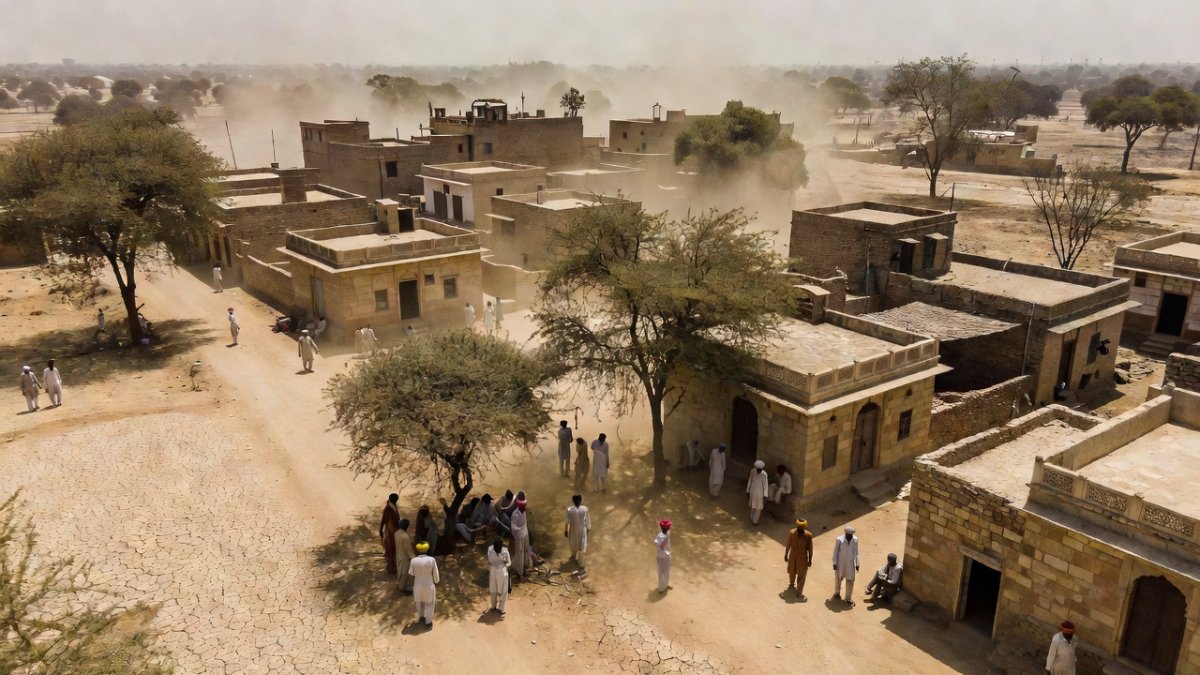
Small towns in Rajasthan and the Vidarbha region of Maharashtra have recorded temperatures surpassing 49°C — conditions hotter than those measured in parts of the Sahara Desert. Churu, Phalodi, and Bikaner in Rajasthan have emerged as the hottest spots, while Wardha, Amravati, and Chandrapur in Vidarbha have reported equally extreme readings. The IMD has confirmed that this year's heatwave season began earlier than usual, with severe heat warnings issued as early as March across 12 states.
Urban Heat Island Effect: Why Nights Are Becoming Dangerous
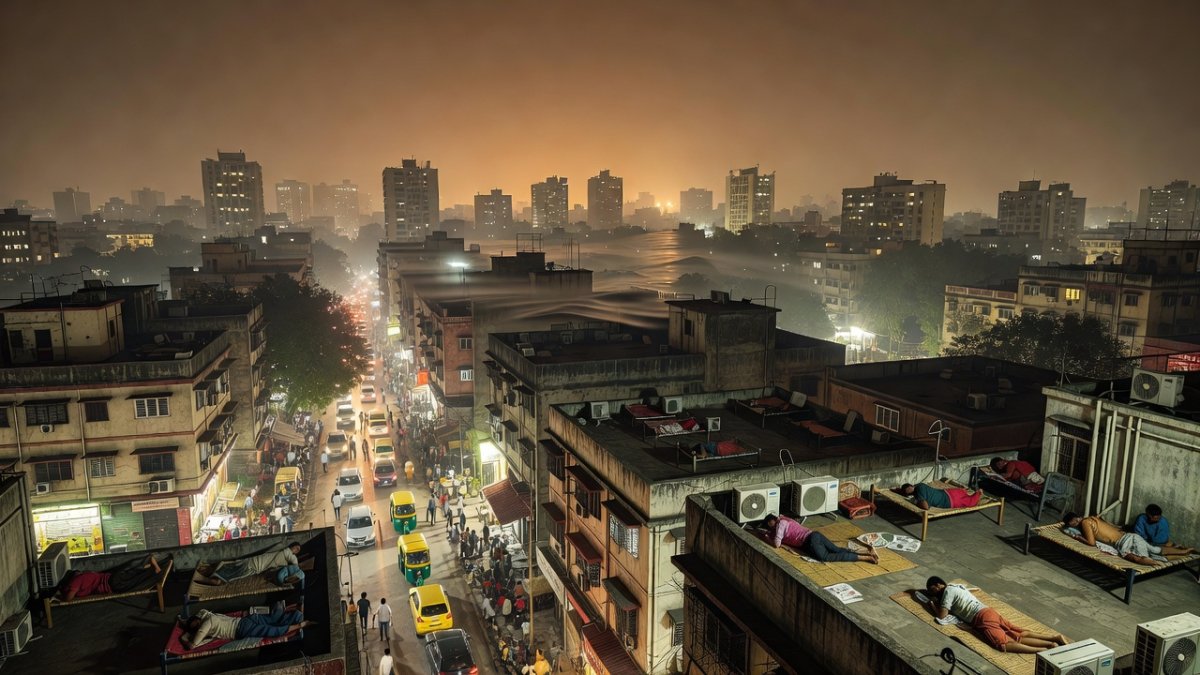
The Indian Institute of Tropical Meteorology (IITM) has documented a 150% increase in heatwave frequency over the past decade. One of the most concerning trends is the Urban Heat Island (UHI) effect, which prevents nighttime cooling in major cities. Delhi, Mumbai, Bengaluru, and Ahmedabad are recording minimum night temperatures that are 5–7°C higher than surrounding rural areas. Concrete-heavy landscapes, loss of green cover, and waste heat from air-conditioning units are trapping heat, meaning residents — especially those without access to cooling — face relentless thermal stress even after sunset. The Ministry of Health has warned that this continuous heat exposure significantly increases the risk of heat stroke, cardiovascular failure, and dehydration-related complications.
Health Emergency: Hospitals Report Surge in Heat-Related Cases
Government hospitals across North India — including Ram Manohar Lohia Hospital (Delhi), Sawai Man Singh Hospital (Jaipur), and King George's Medical University (Lucknow) — have reported a 200–300% increase in cases of heat exhaustion, heat stroke, and acute dehydration over the past four weeks. The Ministry of Health and Family Welfare has activated heat action plans in 23 states, setting up cooling shelters, distributing oral rehydration salts, and issuing public advisories. However, healthcare workers on the ground report that these measures are insufficient for the scale of the crisis. Outdoor workers — including construction labourers, rickshaw pullers, and street vendors — are the most affected, with multiple fatalities reported from heat-related workplace incidents in Uttar Pradesh and Bihar.
Power Grids Under Strain: Frequent Blackouts Compound Misery
Surging demand for air conditioning and fans has pushed state electricity grids to their limits. Delhi alone recorded a peak power demand of 8,500 MW in the first week of June — the highest ever in the capital. Uttar Pradesh, Maharashtra, and Rajasthan have implemented rotating load-shedding schedules as transformers fail under the load. The Central Electricity Authority has warned that without urgent capacity augmentation, summer blackouts could become a recurring feature across northern and western India.
Looming Water Crisis by 2030
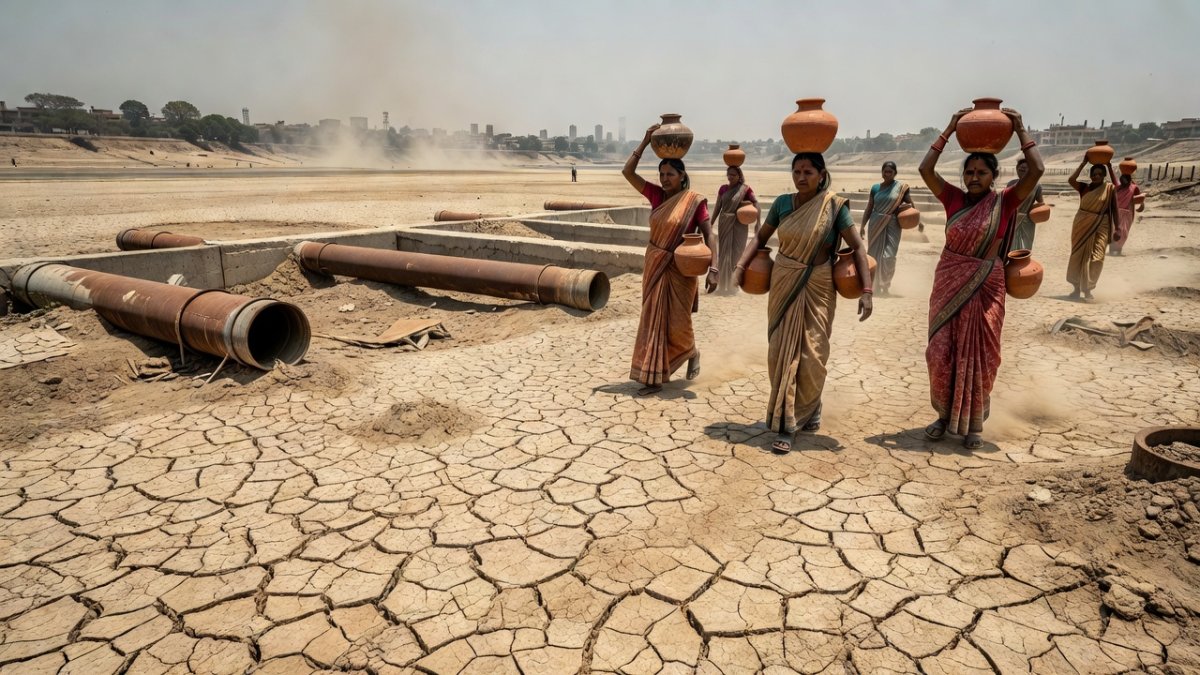
The National Institute of Hydrology has projected that at least 21 major Indian cities — including Delhi, Chennai, Bengaluru, and Hyderabad — could face acute water shortages by 2030 if current trends continue. The combination of higher evaporation rates, depleted groundwater tables, and erratic monsoon patterns creates a compounding crisis. The Ministry of Jal Shakti has initiated a National Water Mission with a target of 20% reduction in water use by 2031, but implementation remains uneven across states.
What This Means for India: Policy Gaps and the Road Ahead
The current crisis exposes significant gaps in India's climate adaptation framework. While the NDMA has published comprehensive heatwave guidelines, their implementation varies widely between states. The Ministry of Environment, Forest and Climate Change has acknowledged that India's National Action Plan on Climate Change needs stronger heat-specific provisions. Experts at IITM and the Centre for Science and Environment have called for mandatory urban greening targets, revised building codes to include cool-roof technologies, and a national heatwave insurance scheme for vulnerable workers. These measures require coordinated action between central ministries, state governments, and municipal corporations. Without decisive policy intervention, each successive summer will exact a higher toll on India's public health, economic productivity, and human wellbeing.
The Bottom Line
India's record heatwaves in June 2026 are not an anomaly — they are the new normal. With temperatures in small towns surpassing 49°C, urban heat islands preventing nighttime relief, and power grids buckling under demand, the crisis demands an urgent, data-driven national response. The data from IMD, IITM, and the Ministry of Health paints a clear picture: climate change has arrived on India's doorstep, and the cost of inaction will be measured in lives, livelihoods, and lost development gains.
— By Dr. Raj Patel, Staff Writer
This article was produced with AI-assisted research and editorial support. Reporting is based on sources cited in the article.
What's Your Reaction?
 Like
0
Like
0
 Dislike
0
Dislike
0
 Love
0
Love
0
 Funny
0
Funny
0
 Wow
0
Wow
0
 Sad
0
Sad
0
 Angry
0
Angry
0

India/South Asia Correspondent at Global1.News. Analytical voice with a background in science and health journalism. Based in New Delhi, covering Indian politics, education, healthcare, technology, and policy. Breaks down complex data into clear, actionable reporting.















Comments (0)