
India Mandates Prescriptions for All Syrup Medicines Under New Rules
India's Union Ministry of Health and Family Welfare has notified the Drugs (Fifth Amendment) Rules, 2026, making all syrup-based medicines — including cough syrups — available only on a doctor's prescription. The amendment, effective from mid-June 2026, removes the word "syrups" from Schedule K of the Drugs Rules, 1945, closing a regulatory gap that had allowed these formulatio
India's Union Ministry of Health and Family Welfare has notified the Drugs (Fifth Amendment) Rules, 2026, making all syrup-based medicines — including cough syrups — available only on a doctor's prescription. The amendment, effective from mid-June 2026, removes the word "syrups" from Schedule K of the Drugs Rules, 1945, closing a regulatory gap that had allowed these formulations to be sold over the counter for decades.
India Mandates Prescriptions for All Syrup Medicines — A Major Public Health Reform
New Delhi, India – June 17, 2026 — The regulatory change traces back to a draft proposal published in December 2025, which sought public comments on the proposed removal of syrups from the exempted list. Following review by the Drugs Technical Advisory Board (DTAB), the final notification was issued and took immediate effect upon publication in the Official Gazette.
What Schedule K and the Amendment Entail
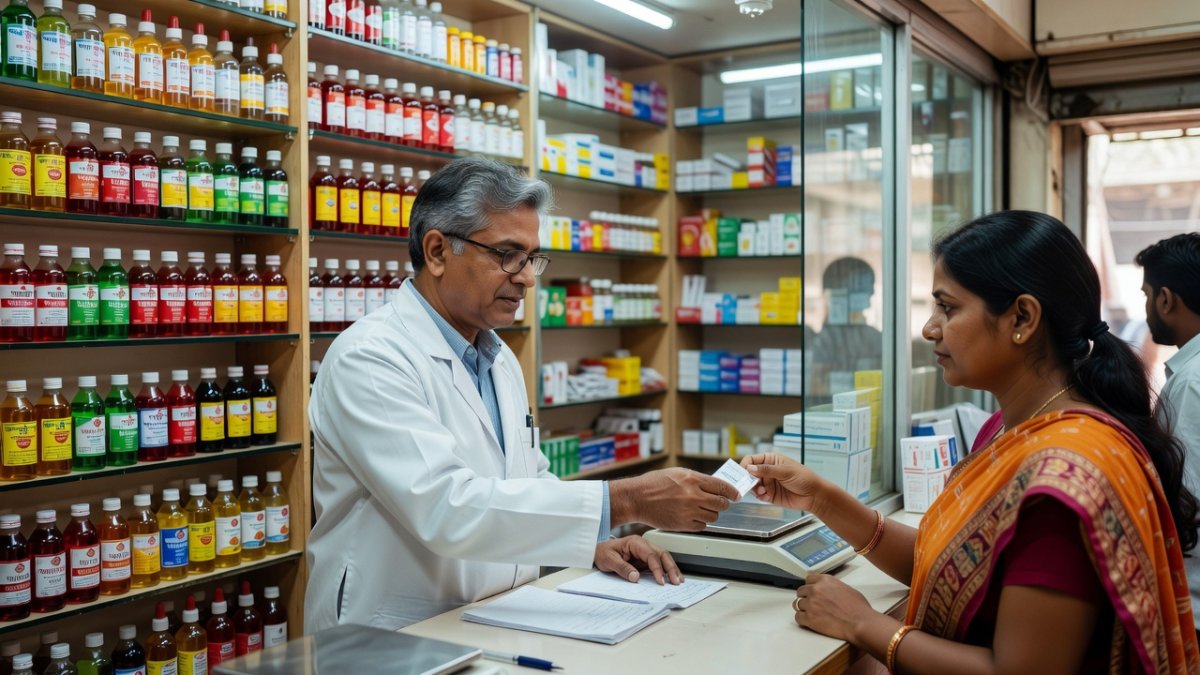
Schedule K of the Drugs Rules, 1945, lists categories of medicines exempt from certain provisions of the Drugs and Cosmetics Act, 1940. Serial No. 13, Entry 7 of Schedule K previously exempted "syrups, lozenges, pills and tablets for cough" from prescription requirements. The Drugs (Fifth Amendment) Rules, 2026, deletes the word "syrups" from this entry. The practical effect is immediate: all syrup-based formulations, whether for cough, allergies, nutritional supplements, or paediatric use, now require a valid prescription from a registered medical practitioner before any pharmacy in India can dispense them.
Tragedies That Drove the Policy Shift
The amendment was not drafted in isolation. Between 2022 and 2023, Indian-manufactured cough syrups contaminated with diethylene glycol and ethylene glycol — both toxic industrial solvents — were linked to the deaths of over 140 children across The Gambia, Uzbekistan, and Cameroon. These incidents triggered global scrutiny of India's pharmaceutical regulatory framework. Domestically, health authorities in Madhya Pradesh documented a cluster of more than 13 child deaths in the Chhindwara district linked to contaminated syrup medicines. The World Health Organization issued global alerts, and importing countries tightened quality checks on Indian pharmaceutical exports.
Impact on India's $50 Billion Pharmaceutical Sector
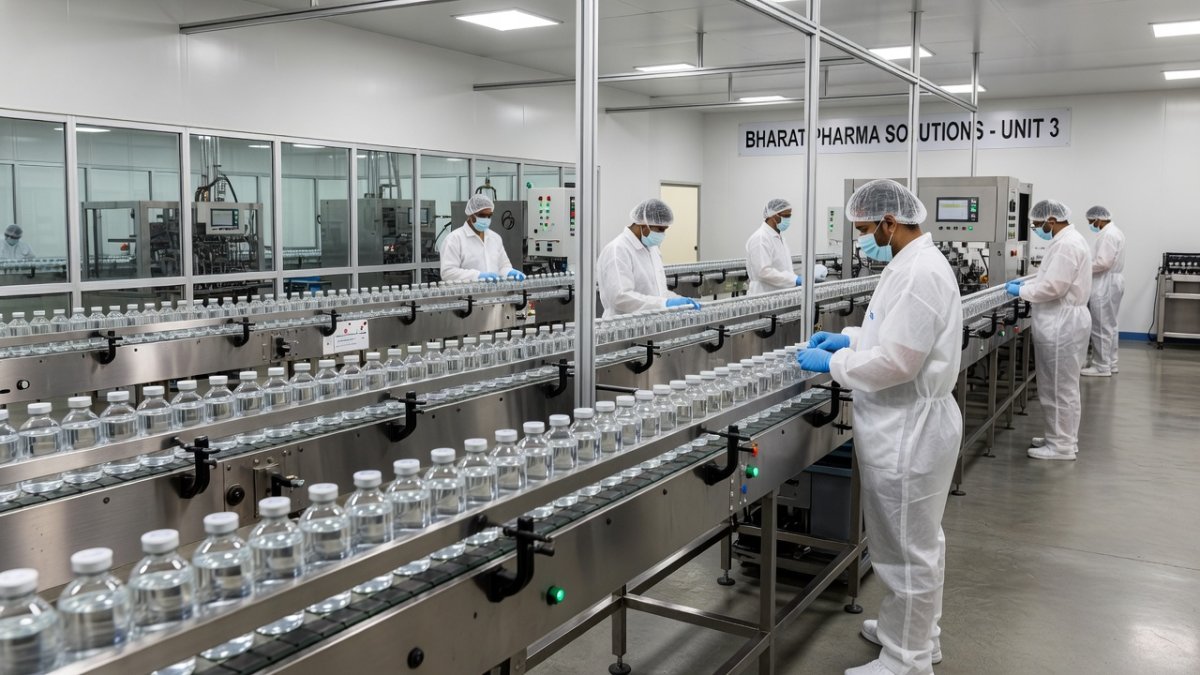
India supplies approximately 20 per cent of the world's generic medicines and operates a pharmaceutical industry valued at roughly $50 billion, exporting to over 200 countries. The new prescription requirement brings India's domestic retail practice in line with regulatory standards in developed nations where cough syrups have long been prescription-only. Manufacturers must now adjust packaging labels, update distribution agreements, and ensure that pharmacists and wholesalers are trained on the new compliance requirements. Production hubs in Gujarat, Maharashtra, Telangana, and Himachal Pradesh — states that house large pharmaceutical formulation units — are expected to feel the operational impact most directly.
What This Means for Indian Patients and Healthcare Access
For Indian citizens, the shift represents a fundamental change in how one of the most commonly used medicine formats is accessed. Parents who routinely purchased cough syrups over the counter for children with seasonal coughs and colds must now obtain a prescription. This will increase footfall at primary health centres and outpatient departments, particularly in rural districts of Uttar Pradesh, Bihar, Madhya Pradesh, and Rajasthan, where doctor-to-patient ratios remain below the WHO-recommended 1:1,000 standard. The policy is expected to reduce irrational self-medication and lower the risk of exposure to substandard or contaminated products. However, the short-term burden on an already stretched public healthcare system is a concern that state drug control departments will need to manage through awareness campaigns and streamlined prescription verification protocols.
Global Reputation and Export Confidence
India's pharmaceutical export reputation took a significant hit following the 2022–2023 contamination incidents. The Gambia temporarily suspended imports of Indian medicines, and several other nations intensified quality testing protocols for shipments from Indian ports. By proactively tightening domestic regulations, the Union government signals to international buyers and regulators that it is addressing quality control gaps. This move could restore confidence in Indian-made pharmaceuticals, which account for a substantial share of essential medicines supplied to low- and middle-income countries through global health programmes.
Implementation Challenges Ahead
Pharmacies nationwide received circulars from state drug controllers instructing them to verify prescriptions for all syrup-based stock from the effective date. Enforcement will depend on the capacity of state drug control authorities to conduct inspections, particularly in smaller towns and rural areas where informal sales remain common. The Central Drugs Standard Control Organisation (CDSCO) has indicated it will coordinate with state licensing authorities to ensure uniform implementation. The Drugs Consultative Committee — a statutory body that includes state health officials — is expected to monitor compliance over the coming quarter.
Comparison with International Standards
The new rules align India with countries such as the United States, the United Kingdom, Canada, and Australia, where cough syrups containing antitussives, expectorants, and antihistamines have been prescription-only for years. In the US, the Food and Drug Administration (FDA) has long classified combination cough and cold products as requiring medical supervision, particularly for children under four years of age. India's move closes a regulatory gap that had made it one of the few large pharmaceutical producers where syrup-based medicines were freely available without medical oversight.
The Bottom Line
India's decision to mandate prescriptions for all syrup medicines is a landmark public health measure driven by evidence of preventable harm. It reflects a regulatory system capable of responding to crisis with structural reform. For the Indian patient, the change means one fewer category of medicine available without a doctor's visit — an inconvenience that comes with the benefit of safer, more accountable pharmaceutical practice. For India's pharmaceutical industry, it is an opportunity to demonstrate that quality and safety are not negotiable, even in a market built on volume and affordability.
— By Dr. Raj Patel, Staff Writer
This article was produced with AI-assisted research and editorial support. Reporting is based on sources cited in the article.
What's Your Reaction?
 Like
0
Like
0
 Dislike
0
Dislike
0
 Love
0
Love
0
 Funny
0
Funny
0
 Wow
0
Wow
0
 Sad
0
Sad
0
 Angry
0
Angry
0

India/South Asia Correspondent at Global1.News. Analytical voice with a background in science and health journalism. Based in New Delhi, covering Indian politics, education, healthcare, technology, and policy. Breaks down complex data into clear, actionable reporting.














Comments (0)