
Illegal Abortion in Lebanon: Women Risk Prison for Bodily Autonomy
Farah's Ordeal: Surgery Without Anaesthetic Farah, a 26-year-old woman in Lebanon, carries vivid and painful recollections of the abortion she underwent three years ago. She described the experience as lasting an entire day, calling it the longest day of her life. The wait before the operation felt unbearable, and the procedure itself proved gruelling beyond what she had imagin
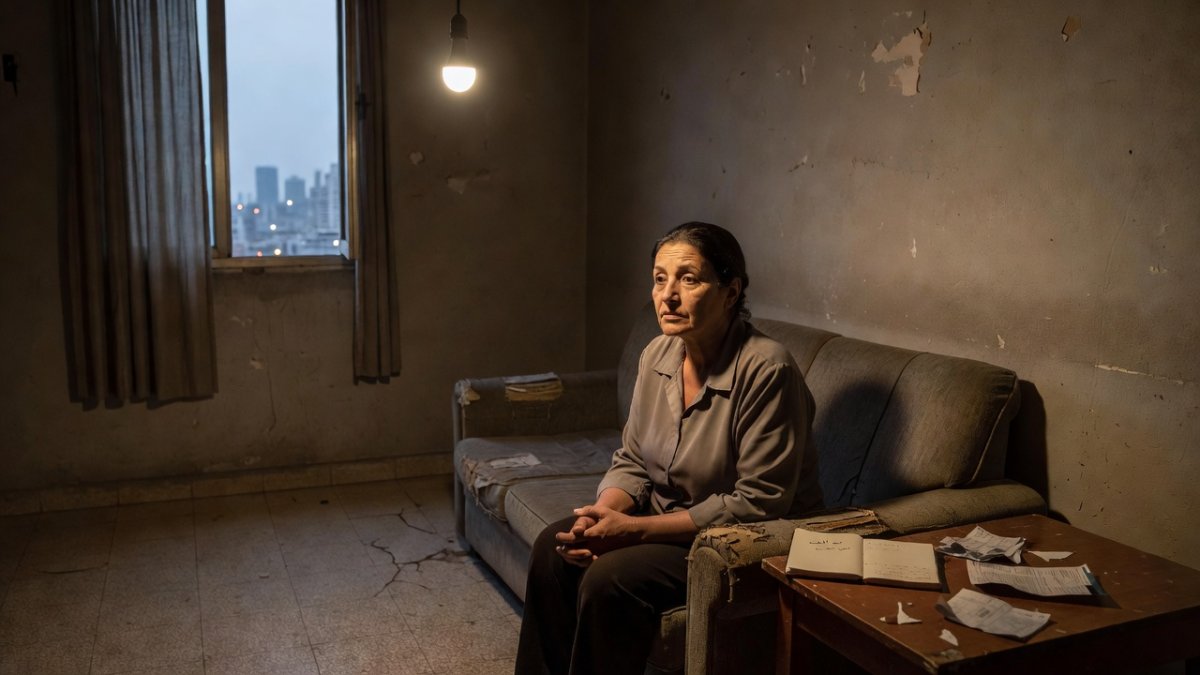
Farah's Ordeal: Surgery Without Anaesthetic
Farah, a 26-year-old woman in Lebanon, carries vivid and painful recollections of the abortion she underwent three years ago. She described the experience as lasting an entire day, calling it the longest day of her life. The wait before the operation felt unbearable, and the procedure itself proved gruelling beyond what she had imagined.
She obtained the name and address of a doctor through a friend who knew of private clinics performing such procedures. The doctor showed little sympathy during the process and appeared almost to smile while performing the surgery. At three weeks pregnant and unmarried, Farah felt too young to raise a child alone and chose to end the pregnancy.
Financial limitations prevented her from paying an additional $300 for anaesthetic. She instead took a Tramadol pill that provided minimal relief. During the operation she screamed, unable to comprehend the level of pain. After the procedure she experienced bleeding that continued for days.
When she attempted to contact the doctor for follow-up care, her calls went unanswered. Too frightened and ashamed to consult another physician, Farah endured the bleeding until it ceased without any medical intervention or support.
A 1943 Law That Still Controls Women's Bodies
Lebanon's Penal Code Articles 539 to 546, enacted in 1943, continue to criminalise abortion except when a pregnancy endangers the mother's health. The law makes no exceptions for cases of rape or incest. A woman who obtains an abortion faces imprisonment ranging from six months to three years.
Doctors who perform the procedure risk sentences of one to three years. When a health risk exists, the abortion requires certification from two additional physicians beyond the one conducting the operation. This framework leaves most women without legal pathways.
The outdated provisions place significant control over women's reproductive decisions in the hands of the state. Many women nevertheless seek abortions despite the legal penalties and the threat of prison time for both the patient and the provider.
The absence of broader exceptions means that personal circumstances such as age, marital status, or financial readiness receive no consideration under the current statutes. The 1943 law remains unchanged and continues to shape access to reproductive care across the country.
The Underground Network of Word-of-Mouth Clinics
Despite the criminal penalties, women in Lebanon continue to obtain abortions through informal channels. Contact details for practitioners circulate primarily by word of mouth among friends and acquaintances. This network allows individuals to locate doctors willing to perform the procedure outside legal boundaries.
Many women like Farah successfully navigate these routes even while aware of the risks involved. The reliance on personal referrals creates a hidden system that operates without official oversight or regulation.
The clandestine nature of these arrangements means that women often have limited information about the qualifications of the providers or the conditions of the facilities. Yet the demand persists because legal options remain unavailable except in narrowly defined health-risk cases.
This word-of-mouth system reflects the determination of women facing unwanted pregnancies to exercise some measure of control over their bodies, even when doing so exposes them to potential imprisonment and medical complications.
Carla's Story: A Secret Procedure in Ain el-Remmaneh
In 2015, 28-year-old Carla discovered she was pregnant after seeing multiple partners and feeling uncertain about paternity. She contacted the man she believed most likely to be the father, who agreed they would address the situation the following Monday after Eid.
Carla reached out to the Beirut-based sexual health centre Marsa for assistance. The centre supplied confidential guidance on available doctors and specific locations. She travelled to an illegal clinic in Ain el-Remmaneh, south of Beirut, where staff confirmed she was two months pregnant.
The room struck her as small and messy. During the procedure, which cost $400, she experienced intense discomfort and vomited repeatedly. She later recalled the sensation of someone attempting to grasp something inside her without success, describing the entire event as a disaster.
Carla's experience highlights the difficult conditions women encounter when seeking these services in unregulated settings. The lack of proper facilities and support added to the physical and emotional strain of the day.
The High Cost of Illegality: $300 to $1,200 for a Procedure
Because abortion remains illegal, doctors who provide the service often determine their own fees without any standard pricing. The average cost for an abortion in Lebanon ranges between $300 and $1,200, placing a significant financial burden on women who have few other options.
Farah could not afford the extra $300 for anaesthetic and settled for a less effective painkiller. Carla paid $400 for her procedure in Ain el-Remmaneh. These amounts represent typical expenses that many women must cover out of pocket.
The absence of legal regulation allows providers to set rates that reflect the risks they take under the penal code. Women frequently must gather substantial sums quickly while maintaining secrecy about their plans.
Such high costs compound the difficulties already created by the criminalisation of the procedure. Women with limited resources face additional barriers that can force them toward even riskier alternatives when they cannot meet the required payments.
Marsa Centre: A Lifeline for Women With No Options
The Marsa centre in Beirut offers confidential services focused on sexual health. Women who contact the organisation receive information about doctors and clinic locations that operate outside the legal framework.
Carla turned to Marsa after learning of her pregnancy and obtained practical guidance that helped her locate a provider. The centre's role remains essential for individuals who have no other safe or informed avenues available to them.
By maintaining confidentiality, Marsa enables women to explore their limited choices without immediate fear of exposure. This support proves particularly valuable in a context where the 1943 penal code offers almost no legal protection or access.
The centre functions as a critical resource for those navigating the underground system, providing details that word-of-mouth networks alone might not deliver in a timely or reliable manner.
Sarah's Story: Cytotec and Hidden Bleeding
Sarah, now 34, underwent an abortion 13 years ago when she lacked sufficient funds for a clinical procedure. She attempted to end the pregnancy by taking Cytotec on her own and then concealed the resulting bleeding from her family members.
The decision to manage the situation privately stemmed directly from financial constraints and the illegal status of abortion. Sarah reports that she continues to experience reproductive health problems linked to this method.
Her experience illustrates the additional health risks that arise when women cannot afford regulated care and must resort to self-administered options. The need to hide physical symptoms added further stress during an already difficult time.
Sarah's ongoing issues demonstrate how the combination of cost barriers and legal prohibition can lead to lasting consequences for women's health long after the immediate event.
The Price of Silence: Physical and Psychological Aftermath
Women who obtain illegal abortions often endure prolonged physical effects without medical follow-up. Farah experienced days of bleeding after her procedure and received no response when she tried to reach her doctor. Sarah continues to face reproductive health complications years later following her use of Cytotec.
Psychological burdens accompany these physical outcomes. Farah felt compelled to discuss her ordeal repeatedly yet remained too ashamed to seek further care. Carla described her procedure as a disaster marked by vomiting and intense discomfort in an inadequate setting.
The fear of legal repercussions and social judgment discourages women from speaking openly or pursuing additional treatment. This silence extends the suffering beyond the immediate procedure.
Stories from Farah, Carla, and Sarah reveal how the criminal framework forces women to manage both immediate pain and longer-term health impacts alone, without access to proper support or accountability from providers.
Women's Rights in Lebanon: A Broader Struggle
The 1943 penal code provisions continue to limit women's autonomy by restricting abortion to cases certified by multiple physicians when health risks arise. No allowances exist for rape, incest, or personal circumstances such as age or marital status.
Women who proceed outside these narrow exceptions risk imprisonment, as do the doctors who assist them. The underground system that has developed relies on word-of-mouth referrals and organisations like Marsa to fill the gap left by the law.
Financial demands ranging from $300 to $1,200 further restrict access, pushing some women toward unsafe methods such as self-administered medication. The resulting physical complications and psychological strain remain largely unaddressed due to fear and stigma.
These realities reflect an ongoing struggle for reproductive decision-making in Lebanon, where outdated statutes place heavy burdens on women seeking to manage their own bodies amid limited legal and medical options.
By Fatima Al-Rashid, Staff WriterThis article was produced with AI-assisted research and editorial support. Reporting is based on sources cited in the article.
What's Your Reaction?
 Like
0
Like
0
 Dislike
0
Dislike
0
 Love
0
Love
0
 Funny
0
Funny
0
 Wow
0
Wow
0
 Sad
0
Sad
0
 Angry
0
Angry
0
Gulf/MENA Correspondent at Global1.News. Based in Doha, covering Gulf politics, energy markets, diplomacy, and development across the Middle East and North Africa. Tracks the economic transformation of the Gulf states.










Comments (0)