
Cartel Drone Attacks Shadow Mexico's 2026 World Cup
**Keywords:** Mexico World Cup 2026, cartel drone attacks, Guerrero violence, La Nueva Familia Michoacana, CJNG, President Sheinbaum, security personnel, Guajes de Ayala, Guardia Nacional, SEDENA, rural communities, Marilu Solorio, David Saucedo, FIFA World Cup **Keywords:** Mexico World Cup 2026, cartel drone attacks, Guerrero violence, La Nueva Familia Michoacana, CJNG, Presi
The 2026 FIFA World Cup runs from June 11 to July 19, 2026, co-hosted by Mexico, the United States and Canada. Streets in Mexico City, Guadalajara and Monterrey fill with fans celebrating goals, yet the contrast grows sharper each day. A DW News YouTube video titled "Is Mexico safe for the World Cup?" captures this divide, showing packed stadiums alongside reports of families fleeing rural attacks. In places far from the host venues, residents continue to face threats that the tournament spotlight has not reached.
Drone Bombings Hit Guajes de Ayala
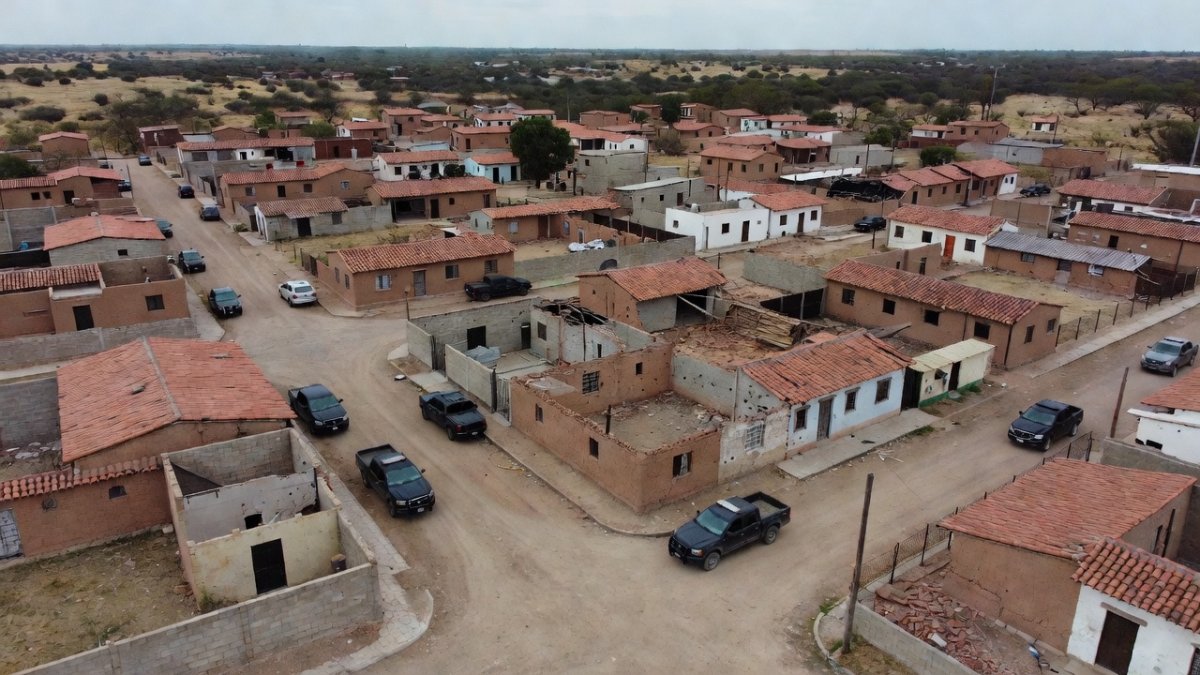
On July 8, 2026, at 6 a.m., members of Cartel La Nueva Familia Michoacana launched drone bomb attacks on the community of Guajes de Ayala in Guerrero. Residents had spent weeks warning local authorities about suspicious drone activity and increased cartel movements, yet no additional patrols or alerts arrived from the Guardia Nacional or SEDENA. The early morning strikes targeted homes and roads near ejidos where campesinos grow corn and raise livestock, forcing dozens to flee without time to gather belongings.
Marilu Solorio, 24, hid with 70 others inside an abandoned medical clinic on the edge of the colonia. She later described the terror of hearing explosions overhead while clutching her younger siblings. "While some are celebrating goals, others are getting massacred by drones carrying bombs," Solorio said. The group remained inside the clinic for hours until the drones departed, then walked several kilometers to reach relatives in a neighboring village still under the protection of local ejido leaders.
Community health workers and teachers in Guajes de Ayala have documented similar incidents since May 2026, noting that families in indigenous communities often receive the least support when violence escalates. Small business owners who run modest tiendas lost inventory during the chaos, and many now weigh whether to return before the World Cup concludes on July 19, 2026. The attacks underscore how rural Guerrero, which is not a World Cup host state, continues to absorb the brunt of cartel tactics while attention focuses elsewhere.
Security Concentration Leaves Rural Communities Vulnerable
Mexico deployed 100,000 security personnel to the host cities of Mexico City, Guadalajara and Monterrey ahead of the tournament. The concentration included units from SEDENA, the Guardia Nacional and state police forces reassigned from other regions. Security analyst David Saucedo explained that the heavy presence in host cities left other areas exposed, as military and Guardia Nacional personnel were transferred away from Guerrero and parts of Michoacán.
Guerrero communities such as Guajes de Ayala and nearby colonias reported fewer checkpoints and slower response times after the transfers began in early 2026. Campesinos who rely on ejido lands for their livelihoods described feeling abandoned, with local FGR offices receiving complaints that went unaddressed for weeks. Teachers in rural schools noted that parents kept children home on days when drone sightings increased, disrupting education across multiple municipalities.
Healthcare workers at small clinics in the region also faced shortages of supplies because supply routes became unreliable. Families in these areas, many of them indigenous, have long depended on consistent patrols that the World Cup security plan temporarily removed. The result is a widening gap between the protected host cities and the vulnerable countryside where cartel groups operate with greater freedom.
La Nueva Familia and CJNG: Cartel Tactics During the World Cup
Cartel Jalisco New Generation, known as CJNG, maintains an estimated 19,000 members across 21 states and has adapted its operations during the tournament period. Reports from July 14 in both AP and Marca described how cartel violence continued in multiple states even as World Cup revelry filled streets in host cities. La Nueva Familia Michoacana, active in Guerrero and Michoacán, has increasingly used drones to deliver explosives, a tactic that allows groups to strike from a distance while avoiding direct confrontation with remaining security forces.
These adaptations affect daily life for small business owners and farmers who must navigate shifting alliances between groups. In Jalisco and Michoacán, PAN and Morena officials have called for renewed coordination between SSPC and local police, yet the focus on World Cup venues has delayed those efforts. Indigenous communities in Guerrero report that extortion demands rose in June 2026 as cartels sought to offset any losses from disrupted trafficking routes near host cities.
Residents describe living with constant uncertainty, where a morning trip to the market or a visit to relatives can turn dangerous without warning. The contrast between celebrations in Monterrey and fear in rural colonias highlights how criminal organizations adjust quickly when government resources concentrate in specific areas. Families continue to weigh the risks of staying in their homes against the possibility of safer conditions after July 19, 2026.
President Sheinbaum's Security Challenge
President Claudia Sheinbaum has spent months grappling with endemic criminal violence while overseeing World Cup preparations. Her administration has coordinated with SEDENA and the Guardia Nacional to protect the three host cities, yet critics from both Morena and PAN argue that rural states like Guerrero require equal attention. The July 8 attacks in Guajes de Ayala occurred after residents had already alerted SSPC and FGR offices, raising questions about how intelligence reaches decision-makers during the tournament period.
Community leaders in ejidos across Guerrero emphasize that families, not just statistics, bear the consequences of these security gaps. Teachers and healthcare workers describe children missing school and patients delaying treatment because roads remain unsafe. Small business owners in colonias report lost income when customers avoid travel, deepening economic strain in regions already facing limited federal support.
Sheinbaum's government has pointed to ongoing operations against CJNG and La Nueva Familia Michoacana, but residents say results on the ground remain uneven. Indigenous communities continue to organize their own watches while waiting for promised reinforcements to return after the World Cup concludes. The challenge lies in balancing international event security with the daily protection needs of Mexico's most exposed populations.
What Happens After the World Cup Ends?
The World Cup concludes on July 19, 2026, after which security personnel are expected to return to their original assignments in states such as Guerrero and Michoacán. Analysts including David Saucedo warn that the transition period could bring renewed clashes if cartels attempt to reassert control before full deployments resume. Families in Guajes de Ayala and similar communities hope the shift will restore checkpoints and patrols that were reduced during the tournament.
Local organizations representing campesinos and ejido members have begun planning meetings with SSPC representatives to discuss long-term protection measures. Teachers and healthcare workers stress that sustained presence, rather than temporary surges, is needed to allow normal life to resume. The experiences of residents like Marilu Solorio show that the human cost of violence extends beyond any single event, even one as large as the World Cup.
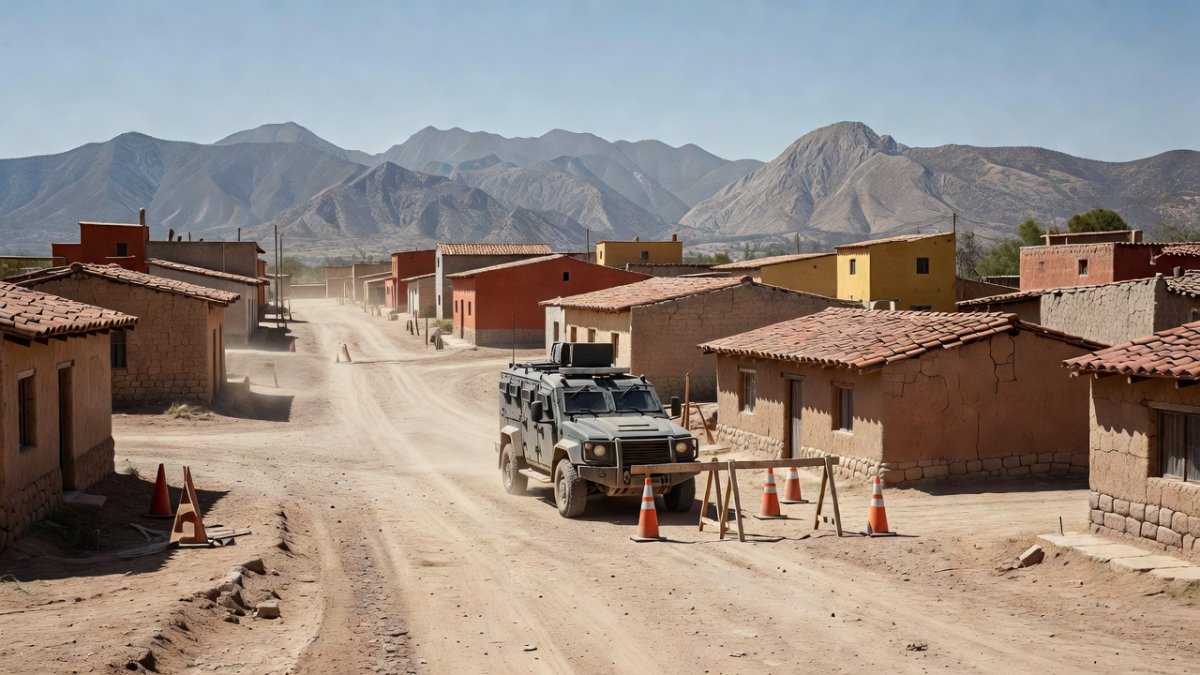
Rebuilding trust will require consistent coordination among SEDENA, the Guardia Nacional and state authorities once the international spotlight moves on. Rural communities across Mexico continue to seek the same level of protection afforded to host cities, hoping that July 19 marks the beginning of a more balanced approach rather than a return to previous patterns of neglect.
This article was produced with AI-assisted research and editorial support. Reporting is based on sources cited in the article.
What's Your Reaction?
 Like
0
Like
0
 Dislike
0
Dislike
0
 Love
0
Love
0
 Funny
0
Funny
0
 Wow
0
Wow
0
 Sad
0
Sad
0
 Angry
0
Angry
0
Latin America/Andes Correspondent at Global1.News. Based in Bogota, covering politics, environment, energy, and social movements across the Andean region. Passionate about environmental journalism and communities protecting their land.











Comments (0)