
Japanese Drone Makers Seek Global Markets
Japanese manufacturers of unmanned aerial systems are actively pursuing overseas opportunities as domestic demand stabilizes. Companies are leveraging specialized technologies in inspection, logistics and autonomous flight to differentiate from dominant Chinese suppliers. This outward push aligns with broader national efforts to strengthen high-value manufacturing exports. Japa
Japanese manufacturers of unmanned aerial systems are actively pursuing overseas opportunities as domestic demand stabilizes. Companies are leveraging specialized technologies in inspection, logistics and autonomous flight to differentiate from dominant Chinese suppliers. This outward push aligns with broader national efforts to strengthen high-value manufacturing exports.
Japanese Drone Manufacturers Expand Global Reach Through Specialized Technologies
[Tokyo, Japan – June 23, 2026] — Several Japanese companies have begun to target international customers with industrial drones designed for infrastructure inspection, surveying and emerging logistics applications. Firms such as ACSL, Terra Drone, Aerosense and SkyDrive are developing export strategies that emphasize reliability, data security and integration with existing industrial systems. Government support through the Ministry of Economy, Trade and Industry (METI) is helping coordinate these efforts while addressing regulatory and competitive challenges.
Japan's Drone Industry Landscape
Japan's drone sector has grown from niche hobby applications to a recognized component of industrial policy. METI has identified unmanned systems as a priority area within its Society 5.0 framework, encouraging collaboration between manufacturers, infrastructure operators and research institutions. Domestic operators have accumulated substantial flight data in challenging environments such as mountainous terrain and typhoon-prone regions, creating technical know-how that appeals to overseas clients seeking robust solutions.
Key Players and Technologies
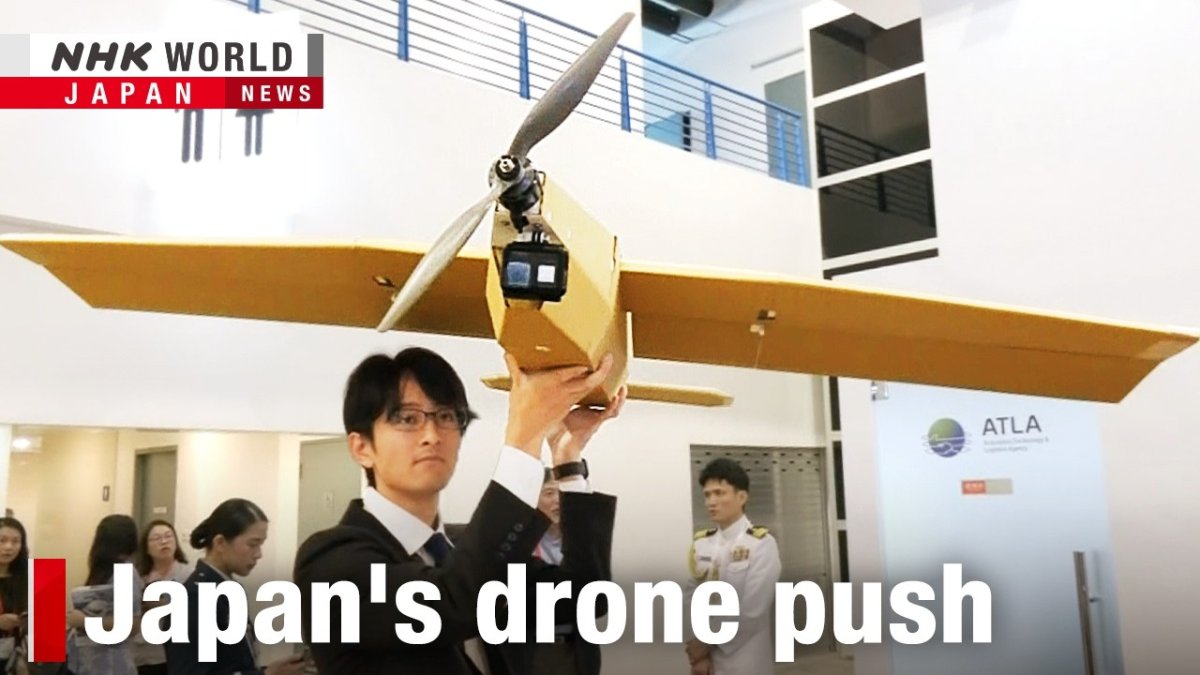
ACSL has focused on fully autonomous flight controllers that operate without continuous GPS signals, a capability useful for indoor and urban canyon environments. Terra Drone has begun to target overseas infrastructure projects with its inspection platforms that combine LiDAR and AI-based defect detection. Aerosense, the joint venture between Sony and ZMP, supplies surveying drones equipped with high-resolution imaging systems originally derived from consumer electronics. SkyDrive is advancing hybrid aerial systems that bridge conventional drones and electric vertical takeoff and landing aircraft, positioning the company for future cargo and passenger-adjacent services.
Government Policy and Regulatory Framework
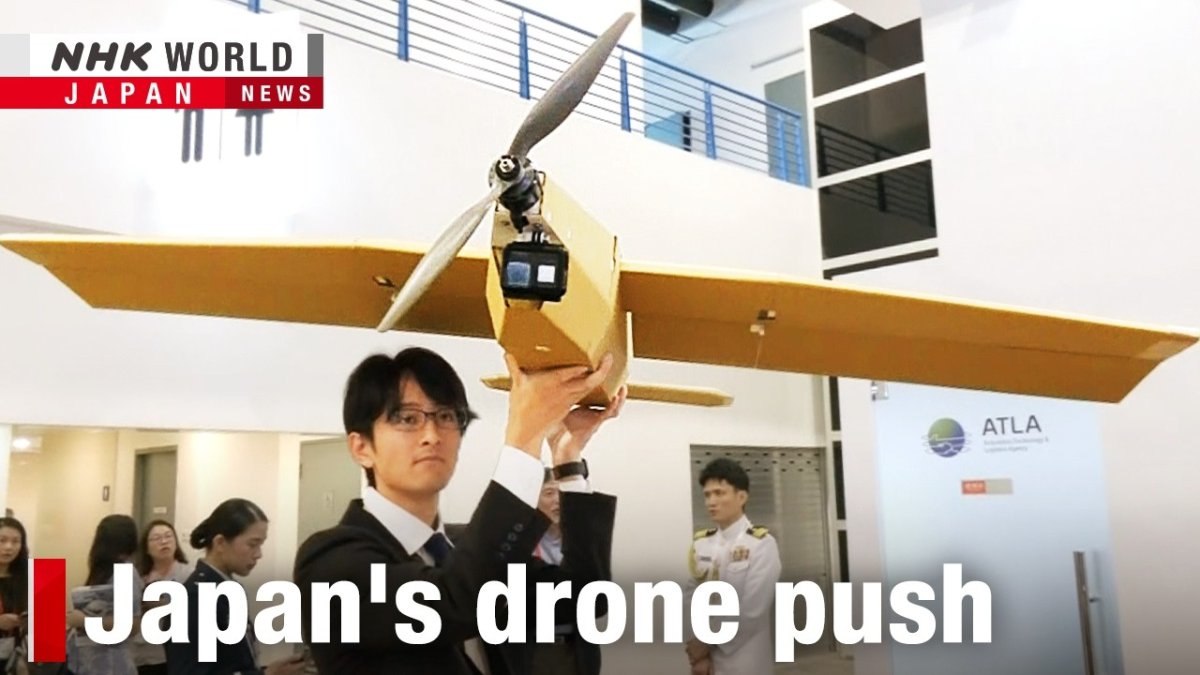
METI coordinates industrial promotion measures that include funding for technology demonstration projects and export matchmaking events. The Ministry of Land, Infrastructure, Transport and Tourism (MLIT) maintains operational rules that require remote identification and flight logging for most commercial drones, creating a stringent but transparent regulatory environment. These domestic standards are being studied by several Asia-Pacific aviation authorities as models for balancing safety with commercial growth. The Ministry of Foreign Affairs (MOFA) has also facilitated bilateral dialogues on drone technology transfer within regional economic frameworks.
Global Market Strategy and Competition
Japanese manufacturers have begun to target markets in Southeast Asia, the Middle East and North America where clients prioritize data sovereignty and integration with legacy industrial equipment. While DJI maintains a large share of the global consumer and prosumer segments, Japanese firms emphasize longer flight endurance in adverse weather and enhanced cybersecurity features. Corporate Japan, including trading houses and heavy industry groups, is providing distribution channels and after-sales support networks that smaller Chinese competitors have yet to replicate at scale. Think tanks such as the Japan Institute of International Affairs have noted that sustained differentiation will require continued investment in certification processes recognized by international aviation bodies.
Implications for Asia Pacific
Regional infrastructure development programs are creating demand for drones capable of inspecting bridges, pipelines and power lines in remote locations. Japanese technology is viewed favorably in countries seeking alternatives to single-source suppliers. Cultural emphasis on precision manufacturing and long-term maintenance relationships supports Japan's positioning in markets where equipment downtime carries high economic costs. MOFA-supported capacity-building programs are also introducing Japanese regulatory approaches to emerging drone markets in the region.
What to Watch For
Upcoming METI-supported pilot projects in Southeast Asia will test cross-border data handling and maintenance protocols. Progress on mutual recognition of drone airworthiness certifications between Japan and key trading partners could accelerate commercial deployments. Continued monitoring of evolving Chinese export controls and Japanese responses will shape competitive dynamics over the next several years.
By Kenji Tanaka, Staff Writer
This article was produced with AI-assisted research and editorial support. Reporting is based on sources cited in the article.
What's Your Reaction?
 Like
0
Like
0
 Dislike
0
Dislike
0
 Love
0
Love
0
 Funny
0
Funny
0
 Wow
0
Wow
0
 Sad
0
Sad
0
 Angry
0
Angry
0

Japan Correspondent at Global1.News. Tokyo-based voice covering Japanese politics, technology, economy, and culture. Tracks the intersection of tradition and innovation in one of the world's most dynamic societies.















Comments (0)