
NATO Ankara Summit Boosts Turkey Middle East Leverage
**Keywords:** NATO Ankara summit, Turkey NATO role, Middle East security, Drone Edge initiative, southern flank, Iran proxy networks, Gulf energy security, transatlantic burden sharing, Abraham Accords, Vision 2030 NATO's Ankara Summit Reshapes Turkey's Strategic Leverage in the Middle East The Summit Context Amid Regional Volatility The 2026 Ankara summit unfolded against a ba
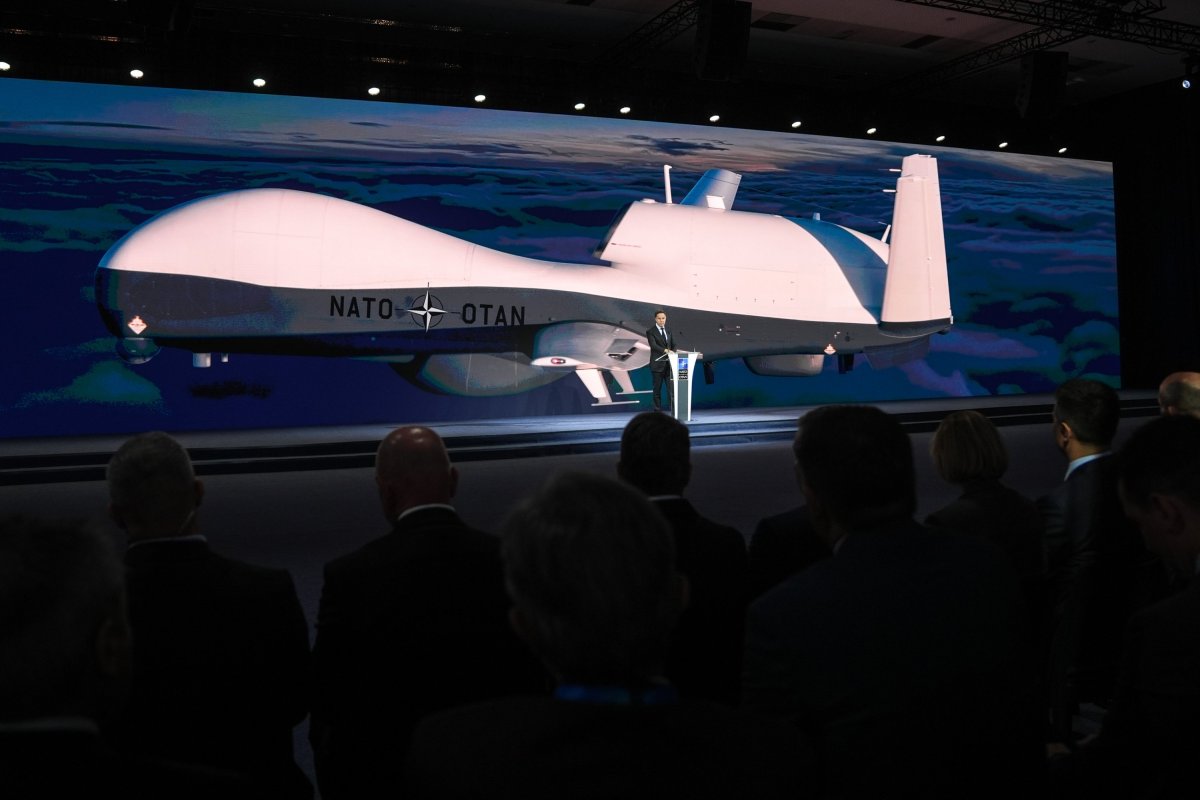
The Summit Context Amid Regional Volatility
The 2026 Ankara summit unfolded against a backdrop of ongoing Russian operations in Ukraine and fresh uncertainties stemming from Middle East conflicts. NATO leaders gathered in Turkey's capital to confront how prolonged competition demands more than declarations of intent. The meeting marked a pivot from earlier focus on spending targets toward concrete operational outputs, a change that carries direct weight for states along NATO's southern flank.
Turkey hosted the gathering at a moment when its own foreign policy intersects multiple fault lines. Ankara maintains channels with both Moscow and Kyiv while managing tensions with Iran-backed groups and navigating energy routes that affect Gulf producers. This positioning gave Turkish officials unusual leverage in shaping the summit's emphasis on integrated capabilities rather than isolated national budgets.
Operational Capabilities Over Pure Spending Commitments
Defense ministers at Ankara acknowledged that increased budgets alone fail to produce credible deterrence. The discussion turned instead to ammunition stockpiles, integrated air and missile defenses, long-range strike assets, and resilient supply chains. This reframing aligns with Turkey's long-standing argument that geography imposes unique requirements on the alliance's southeastern members.
Regional actors such as Saudi Arabia and the UAE watched these developments closely. Both countries pursue defense industrialization under Vision 2030-style programs and seek reliable partners for technology transfer. NATO's new stress on production lines and logistics offers potential entry points for Gulf capital, yet it also raises questions about how such cooperation might intersect with existing U.S. export controls and Israeli security concerns.
Drone Edge and the Transformation of Southern Flank Doctrine
The $40 billion Drone Edge initiative over five years stands out as the summit's most tangible program. NATO is embedding unmanned systems into force planning, air-defense networks, and training curricula. Turkey already fields advanced drone platforms that have altered conflict dynamics in Syria and Libya; the initiative therefore amplifies Ankara's voice inside alliance planning processes.
Iranian officials have observed these developments with concern. Tehran relies on asymmetric tools, including its own drone and missile networks, to project power through proxies in Iraq, Syria, and Yemen. NATO's doctrinal integration of drones could narrow the margin of advantage previously enjoyed by such low-cost, high-volume systems, forcing recalculations in Tehran about escalation thresholds along the alliance's southern approaches.
Information, Mobility, and Logistics as Strategic Assets
Beyond hardware, Ankara highlighted the elevation of information flows, rapid mobility, and secure logistics to core strategic status. For Turkey, control over the Bosporus and air corridors linking Europe to the Levant makes these elements immediate national interests. Any NATO effort to harden these domains directly affects Ankara's ability to manage refugee flows, energy transit, and potential contingencies involving the Eastern Mediterranean.
Egypt and Israel, both sensitive to maritime security in the region, stand to benefit from improved alliance logistics. Yet the same improvements could complicate Turkish-Greek disputes over Aegean airspace and exclusive economic zones. The summit therefore left unresolved second-order effects on intra-alliance frictions that regional adversaries might seek to exploit.
Implications for Iran and Proxy Competition
The shift toward sustainable production and integrated defenses carries consequences for Iran's regional posture. Tehran has invested heavily in missile and drone capabilities to offset conventional weaknesses. NATO's focus on resilient air defenses and long-range precision systems raises the cost of Iranian proxy operations near alliance territory, particularly in northern Syria and Iraq.
At the same time, Ankara's continued dialogue with Tehran on energy and border security illustrates the limits of alliance cohesion. Turkey must balance NATO commitments against its interest in avoiding direct confrontation with Iran. This dual-track approach gives Ankara diplomatic room but also exposes it to criticism from Gulf partners who favor firmer containment of Iranian influence.
Energy Markets, Gulf Diversification, and Great-Power Rivalry
Energy security formed an implicit backdrop to the Ankara discussions. OPEC+ production decisions and Gulf efforts to diversify economies intersect with NATO's new emphasis on secure supply lines. Turkey serves as a transit hub for multiple pipelines and LNG routes; enhanced alliance logistics could therefore strengthen Ankara's role as an energy corridor while exposing it to pressure from both Russia and Western consumers.
China's growing footprint in Gulf ports and infrastructure adds another layer. Beijing's investments in Saudi and Emirati facilities compete with NATO's push for secure digital and physical networks. The summit outcomes suggest that Turkey may position itself as a broker between these competing visions, leveraging its geographic centrality to extract concessions from multiple external powers.
Strategic Calculus and Lasting Regional Effects
Each major actor emerges from Ankara with adjusted calculations. Turkey gains recognition for its industrial and geographic contributions, yet faces heightened expectations to align procurement with alliance standards. Iran must weigh the rising costs of proxy strategies against the risk of direct NATO responses. Gulf states see new avenues for defense-industrial partnerships but must navigate U.S. and Israeli sensitivities.
The broader effect is a gradual hardening of NATO's southern flank without a corresponding escalation in rhetoric. This measured approach suits Turkey's preference for pragmatic engagement over ideological confrontation. Whether the $50 billion in announced initiatives translates into sustained production remains to be seen, yet the conceptual shift away from spending metrics alone already alters the terms of debate for Middle East security planning.
By Malik Hassan, Staff WriterThis article was produced with AI-assisted research and editorial support. Reporting is based on sources cited in the article.
What's Your Reaction?
 Like
0
Like
0
 Dislike
0
Dislike
0
 Love
0
Love
0
 Funny
0
Funny
0
 Wow
0
Wow
0
 Sad
0
Sad
0
 Angry
0
Angry
0

India/South Asia Correspondent at Global1.News. Analytical voice with a background in science and health journalism. Based in New Delhi, covering Indian politics, education, healthcare, technology, and policy. Breaks down complex data into clear, actionable reporting.











Comments (0)