
Mexico Rescue Mission Bolsters Venezuela Earthquake Recovery
Mission Overview The Yumare Group, a specialized humanitarian unit drawn from Mexico’s Secretariat of National Defense, mobilized swiftly after the powerful earthquake that struck Venezuela on June 24. Comprising 264 dedicated SEDENA service members and 18 highly trained canine units, the team prepared for a focused 15-day deployment aimed at search, rescue, and initial recover
Mission Overview
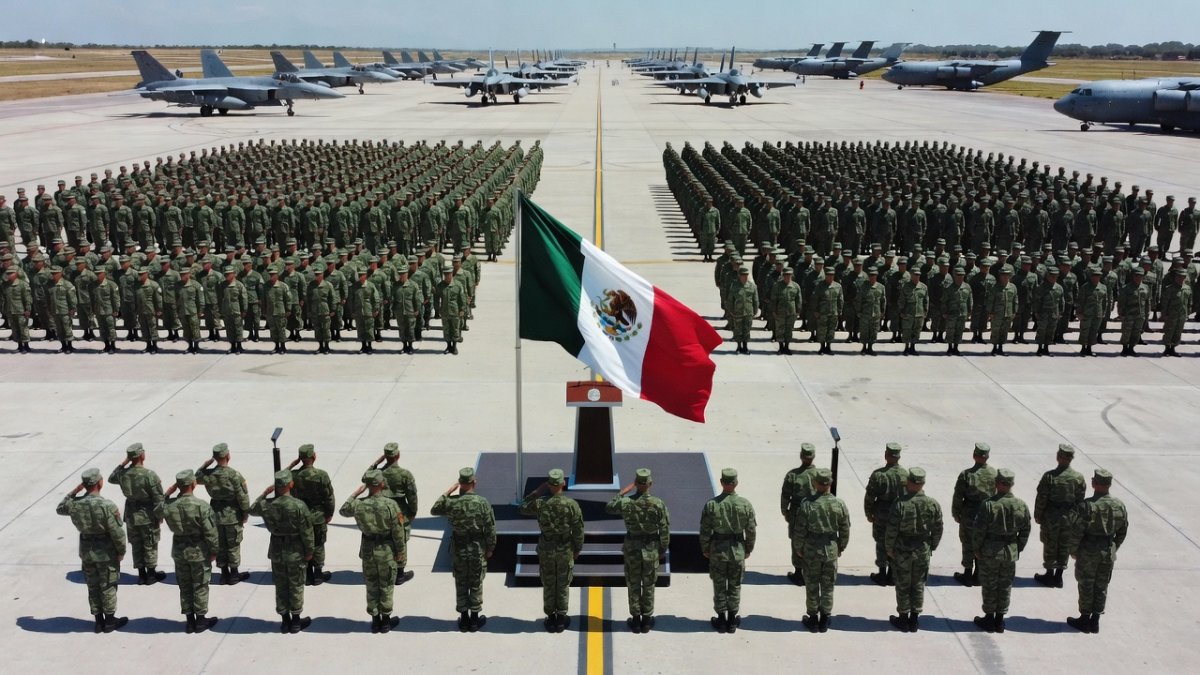
The Yumare Group, a specialized humanitarian unit drawn from Mexico’s Secretariat of National Defense, mobilized swiftly after the powerful earthquake that struck Venezuela on June 24. Comprising 264 dedicated SEDENA service members and 18 highly trained canine units, the team prepared for a focused 15-day deployment aimed at search, rescue, and initial recovery operations. The mission reflected Mexico’s longstanding tradition of extending a helping hand to neighbors in crisis, blending professional expertise with genuine community spirit.
President Claudia Sheinbaum personally welcomed the returning contingent on July 10 at a military air base in México state. Her presence underscored the national pride felt across the country for these men and women who left their own families to serve abroad. The deployment was coordinated closely with Venezuelan authorities, ensuring seamless integration with local civil defense teams from the very first hours on the ground.
Logistical preparations began immediately after the quake, with equipment, medical supplies, and the beloved canine companions loaded onto transport aircraft within days. Each service member underwent additional briefings on Venezuelan terrain and cultural nuances, fostering respectful collaboration. The 15-day window allowed the group to maximize impact while planning an orderly return that honored both Mexican and Venezuelan protocols.
Lives Saved and Recovered
Working around the clock in 24-hour shifts, the Yumare Group achieved remarkable results under difficult conditions. Two survivors were pulled from the rubble thanks to the keen senses of the canine units, whose handlers maintained calm focus amid aftershocks and unstable structures. In total, 92 bodies were recovered with dignity and care, providing closure to grieving families who had waited anxiously for news.
Coordination with Venezuela’s civil defense proved essential. Mexican teams shared real-time mapping data and search patterns, allowing joint crews to cover more ground efficiently. The 18 dogs worked in rotating pairs, their handlers ensuring rest periods that kept both animals and people sharp. These tireless efforts turned potential tragedy into stories of hope and resilience.
Community members in affected neighborhoods often gathered to offer water and words of thanks to the Mexican personnel. Such gestures reinforced the human connection at the heart of the mission. Every recovered individual, whether survivor or deceased, received respectful treatment that honored Mexican values of compassion and solidarity.
Medical Response and Humanitarian Care
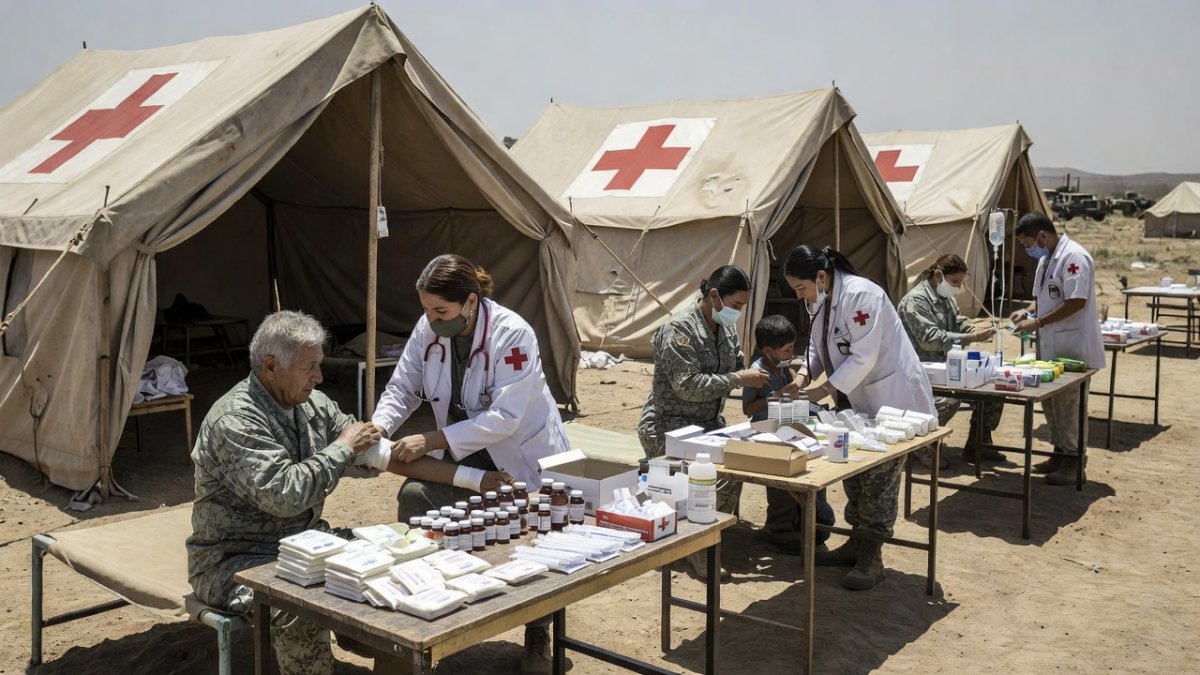
Beyond search and rescue, the mission delivered vital medical support to thousands. More than 2,000 consultations were provided by IMSS-trained physicians embedded with the Yumare Group. Common injuries included fractures, lacerations, and respiratory issues triggered by dust and stress. Thirteen tonnes of medicine and supplies were distributed directly to field clinics and local hospitals.
Doctors worked alongside Venezuelan counterparts, exchanging techniques and building lasting professional bonds. Mobile treatment stations operated near collapsed buildings, offering immediate care that prevented minor injuries from becoming serious. The emphasis remained on accessible, respectful service that reflected Mexico’s community-centered approach to health.
Patients often expressed gratitude for the gentle manner of the Mexican medical staff. Children received special attention, with small toys and reassuring words helping ease trauma. This holistic care extended the mission’s impact far beyond physical recovery, nurturing emotional healing within affected communities.
Air and Sea Bridge Logistics
Sustaining operations required an impressive air and sea bridge. More than 70 tons of humanitarian aid crossed the Caribbean through eight dedicated flights and two Mexican Navy vessels. SEMAR ships carried heavy equipment, generators, and additional medical stock that kept the Yumare Group fully operational throughout the deployment.
CFE personnel traveled with the mission to repair eight damaged power plants, restoring electricity to critical neighborhoods within days. This engineering support complemented rescue work by enabling hospitals and shelters to function reliably. Every shipment was tracked meticulously to ensure timely delivery to those most in need.
The combined logistics demonstrated Mexico’s capacity for rapid, large-scale humanitarian response. Crews on both aircraft and ships worked extended hours, maintaining safety standards while prioritizing speed. Their efforts ensured that no resource shortage hampered the life-saving work on the ground.
Official Recognition and Venezuelan Gratitude
Upon return, General Trevilla awarded decorations for heroic valor to key members of the Yumare Group. President Sheinbaum’s welcoming speech highlighted the “true face of Mexico,” emphasizing solidarity over politics. A personal letter from Vice President Delcy Rodríguez expressed profound national thanks, while the highest civilian honor, “Hero of Venezuela First Class,” was bestowed on the entire contingent.
As a touching gesture, three Belgian Malinois puppies were gifted to the Mexican canine program, echoing the 2023 story of Proteo and Arkadas. These young dogs symbolize the enduring friendship between the two nations and will continue training in Mexico to serve future missions.
Public ceremonies in both countries celebrated the shared humanity displayed during the crisis. Families of service members watched proudly as their loved ones received recognition, reinforcing the deep community pride that fuels such deployments.
Historical Context — 98 Missions Since 1996
This deployment continues a proud legacy begun under earlier administrations and strengthened during Andrés Manuel López Obrador’s term. Since 1996, Mexico has launched 98 international humanitarian missions, earning respect across Latin America and beyond. The 2023 response in Türkiye and Syria, featuring the beloved dog Proteo, remains fresh in public memory.
The Arkadas puppy donation that followed that mission created lasting diplomatic goodwill. Today’s effort builds on the same foundation of SRE and SEGOB coordination, ensuring every deployment aligns with both humanitarian needs and Mexico’s foreign policy principles. Institutional knowledge accumulated over nearly three decades allows teams to deploy faster and more effectively with each new call for help.
Veterans of previous missions often mentor newer members, passing on lessons in cultural sensitivity and operational resilience. This continuity strengthens Mexico’s reputation as a reliable partner in times of disaster.
Impact on Mexican Families and Communities
The 264 service members hail from households spanning Sonora to Chiapas, each leaving behind loved ones who supported their decision to serve. Small businesses near military bases experienced both the absence of regular customers and the pride of contributing to a national effort. INEGI data suggests such deployments can temporarily affect local economies yet often strengthen community bonds through shared purpose.
Families maintained close contact through video calls and care packages, turning separation into an opportunity for deeper appreciation of the service members’ dedication. Schools and neighborhood associations organized support events, from prayer circles to fundraisers for additional supplies. These grassroots actions reflected the warm, family-oriented values central to Mexican society.
Upon return, reunions at the air base were filled with tears and laughter, reminding everyone that humanitarian work ultimately strengthens the home front as well. The mission’s success belongs not only to those who deployed but to the communities that sustained them.
What This Means for Sheinbaum Foreign Policy
This marked the first major humanitarian mission of the Sheinbaum administration, signaling a continued commitment to regional cooperation and multilateral engagement. SRE statements emphasized that Mexico’s foreign policy prioritizes solidarity, disaster response, and people-to-people connections over ideological divides. Public support for such engagement remains high, with polls showing strong approval for international aid when it aligns with national values.
By responding promptly to Venezuela’s call, the administration reinforced Mexico’s role as a constructive actor in Latin America. Future missions will likely build on the logistical and diplomatic lessons learned here, expanding partnerships with both regional governments and international organizations. The warm reception given to returning personnel suggests citizens view these efforts as an extension of Mexico’s generous spirit.
Sheinbaum’s personal involvement in the welcome ceremony highlighted leadership that values both domestic priorities and global responsibility. This balanced approach promises sustained humanitarian outreach that benefits communities at home and abroad.
Tags: Mexico Venezuela earthquake relief, SEDENA rescue mission, Sheinbaum humanitarian aid, Yumare Group, canine units
By Rosa Martinez, Staff Writer
This article was produced with AI-assisted research and editorial support. Reporting is based on sources cited in the article.
What's Your Reaction?
 Like
0
Like
0
 Dislike
0
Dislike
0
 Love
0
Love
0
 Funny
0
Funny
0
 Wow
0
Wow
0
 Sad
0
Sad
0
 Angry
0
Angry
0
Latin America/Andes Correspondent at Global1.News. Based in Bogota, covering politics, environment, energy, and social movements across the Andean region. Passionate about environmental journalism and communities protecting their land.











Comments (0)