
US-Iran War Escalates: Bushehr Nuclear Plant Strikes and Strait of Hormuz Blockade
Regional Framing The US-Iran war that erupted on February 28 2026 with Operation Epic Fury has now entered a dangerous new phase of direct escalation as of July 14 2026. What began as joint US-Israeli strikes that killed Supreme Leader Ayatollah Ali Khamenei and other senior officials has expanded into sustained aerial campaigns, naval blockades and proxy confrontations stretch
Regional Framing
The US-Iran war that erupted on February 28 2026 with Operation Epic Fury has now entered a dangerous new phase of direct escalation as of July 14 2026. What began as joint US-Israeli strikes that killed Supreme Leader Ayatollah Ali Khamenei and other senior officials has expanded into sustained aerial campaigns, naval blockades and proxy confrontations stretching from the Persian Gulf to the Levant and Red Sea. Thousands are dead and tens of thousands injured across the region since the conflict began, reshaping alliances and energy flows in ways that affect every state from the Gulf to the Mediterranean.
Third Night of US Strikes: Bushehr Nuclear Plant in the Crosshairs
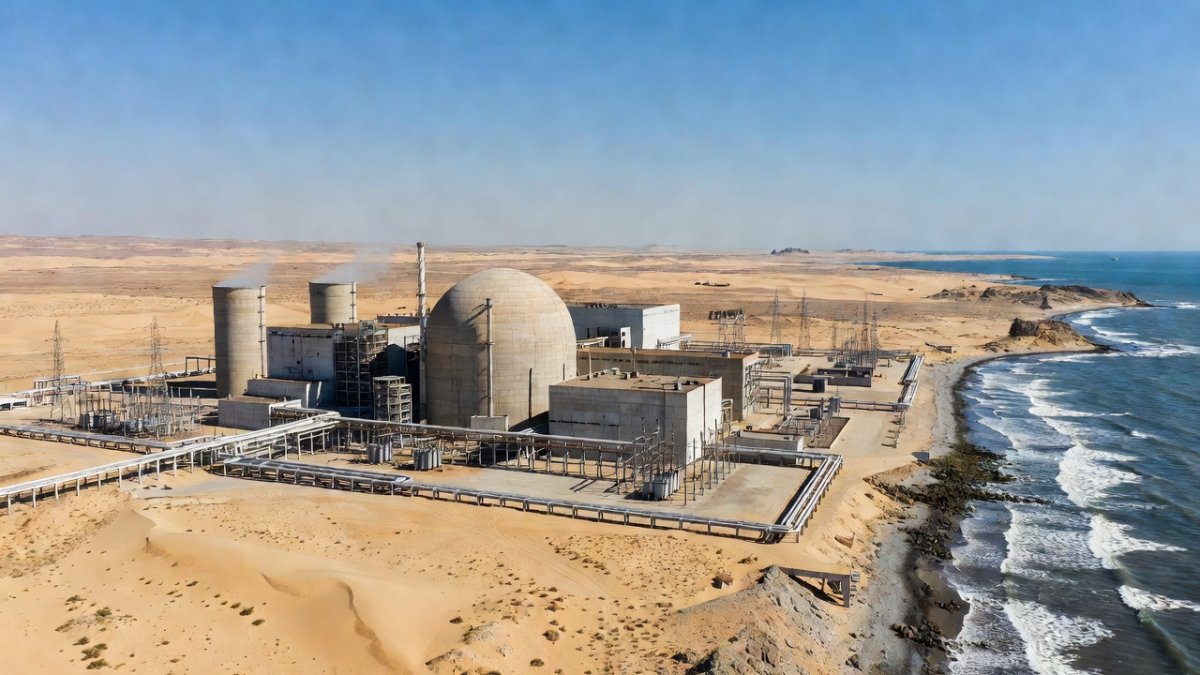
On July 14 2026 the United States launched its third consecutive night of airstrikes on Iranian territory. Explosions were reported across Bushehr province, home to Iran's only civilian nuclear plant at Bushehr Nuclear Power Plant, as well as Bandar Abbas naval base, Kish Island, Qeshm Island, Jam Island missile site and Abu Musa. Iranian officials confirmed that shrapnel struck the nuclear plant perimeter but stated the facility itself was not damaged. Both Russia and Iran expressed immediate concern about radiological safety following the strikes near the Russian-built reactor.
The targeting of multiple coastal and island locations signals a deliberate effort to degrade Iran's naval and missile infrastructure while raising the stakes around the Bushehr facility. The strikes follow days after thousands attended the funeral of the slain Supreme Leader, underscoring how the conflict has moved from targeted leadership elimination to sustained infrastructure bombardment.
The Strait of Hormuz Blockade: Trump's 20 Percent Toll
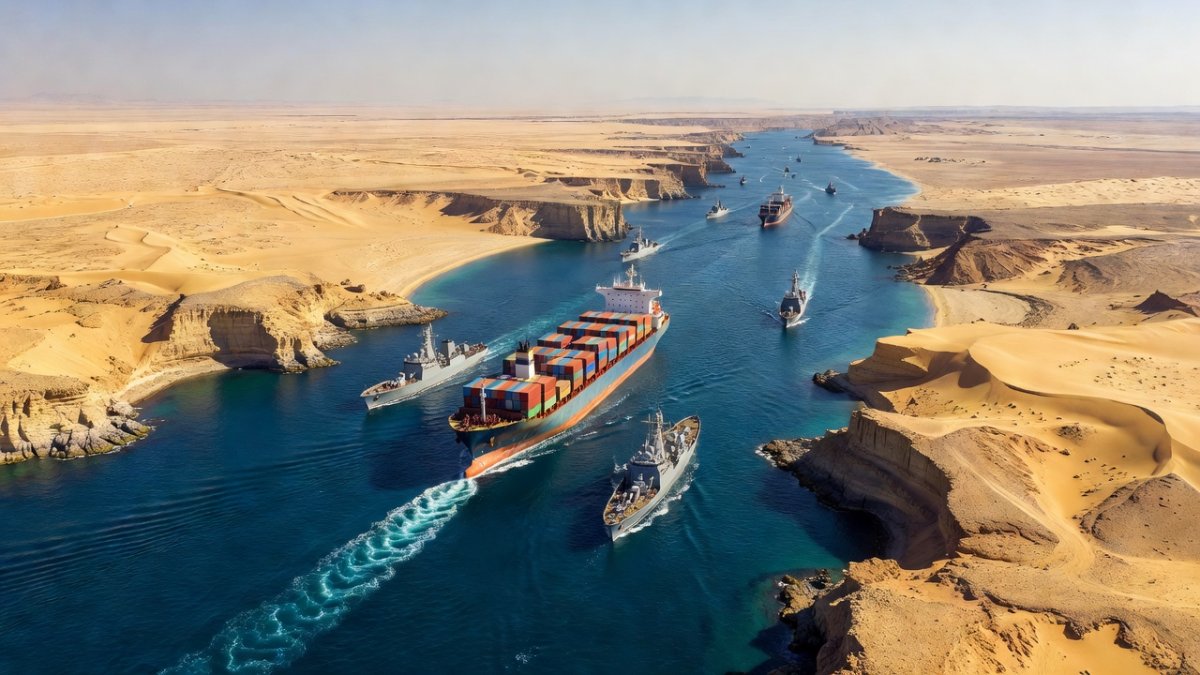
President Trump reinstated the US naval blockade of the Strait of Hormuz and announced a 20 percent fee on all cargo transiting the waterway. Approximately 20 percent of global oil passes through the Strait daily, meaning the new toll immediately affects energy markets worldwide. Global crude prices have already surged and a jet fuel crisis is affecting airlines across multiple continents, from European carriers to Asian hubs.
The blockade represents a significant escalation in economic pressure, turning a vital chokepoint into a revenue-generating mechanism for the United States while simultaneously restricting Iranian oil exports. The 20 percent fee adds a new layer of cost that shipping companies and oil importers must absorb or pass on to consumers. Iran has responded by targeting tankers in the waterway, creating a mutually destructive cycle that threatens to disrupt global supply chains for months to come.
Iranian Retaliation: IRGC Strikes Bahrain and Kuwait
In direct response the Islamic Revolutionary Guard Corps struck Bahrain with missiles and drones, attacked US military installations in Kuwait and targeted tankers in the Strait of Hormuz. The IRGC also targeted what it described as "a hostile vessel of the American enemy" in the Gulf. One Indian sailor was killed in crossfire near UAE waters, prompting the UAE to vow retaliation and raising the specter of the conflict drawing in deeper Gulf state involvement.
These IRGC operations demonstrate Iran's willingness to expand the battlefield beyond its own borders and into the waters of neighboring states. The attacks on Bahrain and Kuwait mark a clear widening of the conflict into Gulf Cooperation Council territory. Kuwait confirmed it had sustained the first injury from the exchange of fire at one of its military installations hosting US forces.
The Collapsed Islamabad Agreement: A Diplomatic Off-Ramp Lost
The 14-point interim agreement known as the Islamabad MoU, signed on June 14 2026, collapsed within weeks. The memorandum had provided for a 00 billion reconstruction fund for Iran, the release of 4 billion in frozen Iranian assets during a 60-day negotiation window, and a commitment from Tehran never to pursue nuclear weapons. Neither side implemented the core terms. The failure of this agreement removed the last remaining channel for de-escalation and set the stage for the current round of military exchanges.
Analysts at Chatham House and the Carnegie Middle East Center had warned that the MoU lacked enforcement mechanisms and that the 60-day timeline was too ambitious given the depth of mutual mistrust. With the diplomatic track in ruins, both sides have returned to kinetic operations, and the absence of any functioning framework means each new strike risks triggering further retaliation without an off-ramp.
Regional Proxy Dynamics: Hezbollah, Houthis, and the Axis of Resistance
The direct US-Iran confrontation has activated the broader axis of resistance. Hezbollah is engaged in full-scale war with Israel in southern Lebanon, drawing Israeli Defense Forces into a multi-front conflict. The Houthis continue to threaten Red Sea shipping lanes, striking commercial vessels in solidarity with Iran. Shia militias remain active in Iraq and Syria, periodically targeting US personnel and facilities. These proxy fronts absorb resources and attention from all parties, preventing any single theater from being isolated.
Saudi Arabia has maintained a defensive posture, with the Royal Saudi Air Force having previously struck Iranian missile and drone launch sites earlier in the conflict. This cautious approach reflects Riyadh's desire to avoid becoming a primary target while still protecting its own territory and energy infrastructure from spillover. The Kingdom's Vision 2030 diversification strategy faces its most serious stress test as regional instability threatens foreign investment confidence.
Strategic Calculus: What Each Side Wants
President Trump stated that Iran "would be foolish not to make a deal" yet warned that strikes would continue. For the United States the goal appears to be forcing Iran into negotiations through sustained military and economic pressure centered on the Hormuz blockade and continued degradation of nuclear-related infrastructure. The Trump administration calculates that the blockade will starve Tehran of revenue while the strikes demonstrate that no facility — even one as sensitive as Bushehr — is off limits.
Iran's calculus centers on demonstrating that it can impose costs on US partners and shipping lanes that exceed whatever Washington gains from continued operations. By striking Bahrain and Kuwait, Tehran sends a message to Gulf states that hosting US forces carries direct consequences. The IRGC's tanker campaign in the Strait is designed to raise global energy prices to the point where international pressure builds on Washington to return to the negotiating table.
Regional Implications: Energy Markets, Gulf Security, and the Path Forward
Gulf states face immediate concerns over tanker safety, port security and the 20 percent Hormuz fee that raises the cost of every barrel leaving the region. The jet fuel shortage is already creating operational headaches for carriers worldwide, with Emirates, Qatar Airways, and other Gulf carriers among the most exposed. Energy markets remain volatile, and OPEC+ spare capacity is being tested as never before.
The combination of direct strikes on Bushehr province, the naval blockade and IRGC retaliation across Bahrain and Kuwait has transformed a bilateral conflict into a multi-front regional crisis. With thousands already dead and tens of thousands injured since February, and with no diplomatic channel currently open, the coming weeks will determine whether the current escalation produces a new equilibrium or further widens the war into a broader conflagration drawing in Gulf capitals, Levantine states, and global energy consumers alike. The strategic question facing Washington, Tehran, and their respective allies is whether any sustainable outcome remains achievable through military means alone.
By Malik Hassan, Staff Writer
This article was produced with AI-assisted research and editorial support. Reporting is based on sources cited in the article.
What's Your Reaction?
 Like
0
Like
0
 Dislike
0
Dislike
0
 Love
0
Love
0
 Funny
0
Funny
0
 Wow
0
Wow
0
 Sad
0
Sad
0
 Angry
0
Angry
0

Middle East Correspondent at Global1.News. Based in Beirut, covering politics, conflict, energy, and society across the Middle East. Brings context and depth to a region often reduced to headlines.









Comments (0)