
Europe Buys Record Russian LNG Ahead of 2026 Sanctions Ban
Europe Buys Record LNG From Russia — A €6 Billion Paradox Ahead of Sanctions Deadline 1. Record LNG Purchases Defy Sanctions Timeline The European Union imported 9.89 million metric tons of liquefied natural gas from Russia in the first half of 2026. This figure represents an 18 percent increase compared with the same period in 2025. The purchases occurred even as the bloc prep
Europe Buys Record LNG From Russia — A €6 Billion Paradox Ahead of Sanctions Deadline
1. Record LNG Purchases Defy Sanctions Timeline
The European Union imported 9.89 million metric tons of liquefied natural gas from Russia in the first half of 2026. This figure represents an 18 percent increase compared with the same period in 2025. The purchases occurred even as the bloc prepared to implement a full ban on Russian LNG by December 31, 2026.
These volumes arrived primarily through established long-term contracts that predate the current sanctions framework. European buyers continued to honor those agreements while alternative supply chains remained underdeveloped. The surge demonstrates that contractual obligations and infrastructure realities have outweighed political timelines in the short term.
Official EU data confirm that Russia still accounted for 13 percent of the bloc’s total natural gas imports throughout 2025. This dependency has not been eliminated despite repeated political commitments to phase out Russian energy. The record purchases in early 2026 therefore reflect structural inertia rather than a reversal of policy intent.
Analysts note that the timing of the increase coincides with stable production at Arctic facilities and favorable shipping conditions during the winter months. European utilities secured cargoes to replenish storage levels ahead of potential supply disruptions later in the year. The data show that market behavior has not yet aligned with the announced sanctions deadline.
2. France, Belgium, and Spain Drive the Surge
France took delivery of 3.6 million metric tons of Russian LNG during the first half of 2026. Belgium received 2.9 million metric tons, while Spain imported 2.7 million metric tons. Together these three countries accounted for the overwhelming majority of the bloc’s Russian LNG intake.
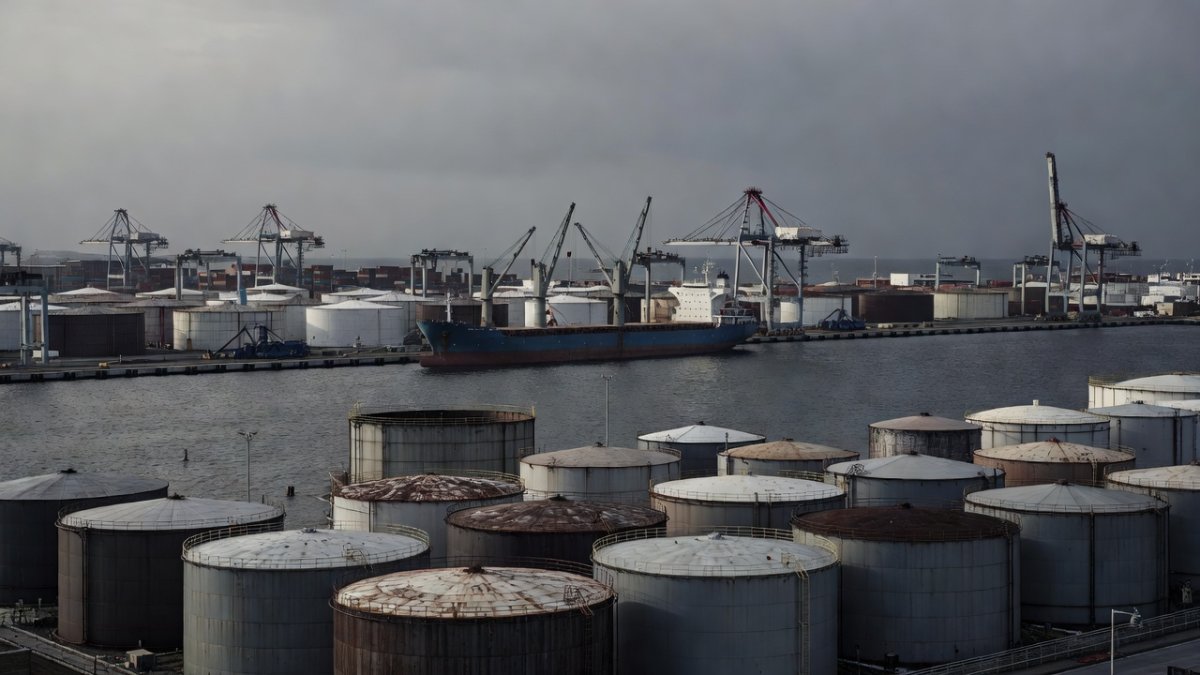
French terminals in Montoir and Fos-sur-Mer handled repeated cargoes from Arctic routes. Belgian facilities at Zeebrugge maintained high throughput levels under existing supply agreements. Spanish regasification plants in Barcelona and Bilbao processed volumes that were then distributed across the Iberian grid and into France.
These nations possess the necessary infrastructure and long-standing commercial relationships that allow continued imports. Other member states with fewer terminals or stricter national policies recorded significantly lower volumes. The concentration of purchases in these three countries highlights uneven implementation of the sanctions timeline across the EU.
3. Yamal Facility at the Heart of Russia's Arctic Exports
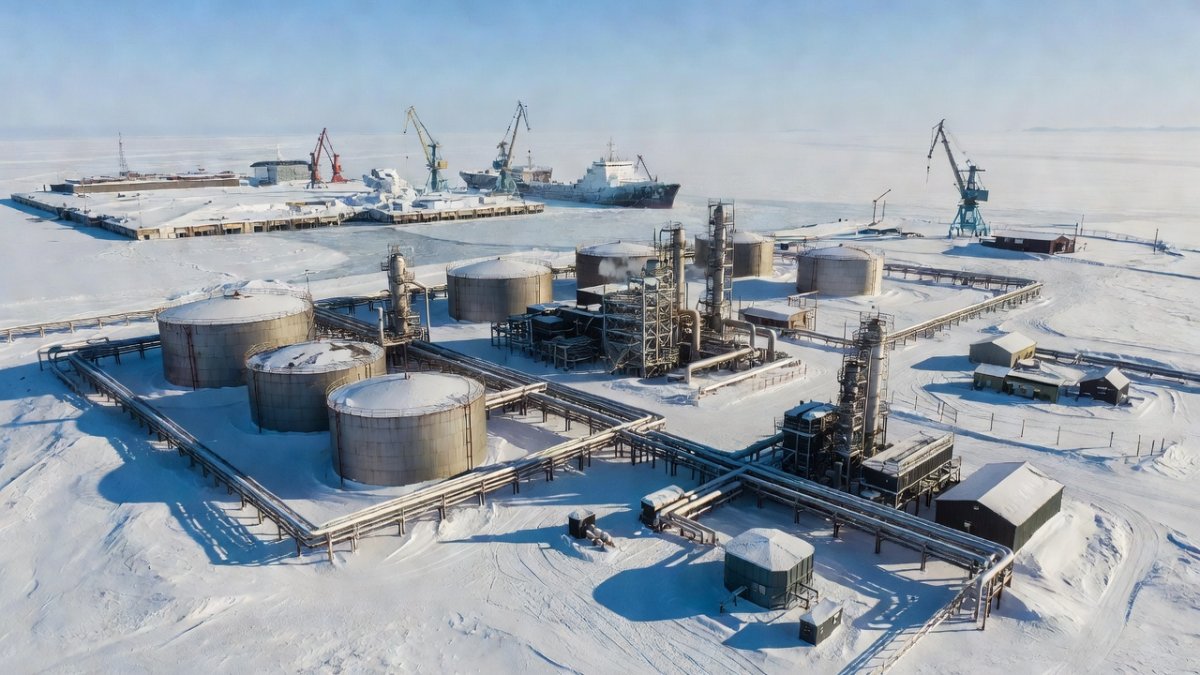
The Yamal LNG plant on the Yamal Peninsula above the Arctic Circle supplies more than 60 percent of Russia’s total LNG exports. The facility draws feedstock from the South-Tambeyskoye gas field and operates year-round with ice-class carriers departing from the Sabetta port. Novatek holds the majority stake, with TotalEnergies, CNPC, and CNOOC as strategic shareholders.
Production at Yamal has remained stable despite Western restrictions on technology and financing. The plant’s design incorporates Arctic-specific engineering that allows continuous output even during polar winters. Shipments from Sabetta reach European terminals in approximately ten to twelve days under normal ice conditions.
Russian energy strategy continues to prioritize Arctic LNG development as a core export route. The Kremlin views these projects as essential for maintaining revenue streams when pipeline deliveries face greater political obstacles. European purchases of Yamal output therefore directly support Russia’s Arctic export objectives.
Corporate filings show that Novatek has adjusted shipping schedules to prioritize European destinations when Asian demand weakens. The facility’s ownership structure, including European and Chinese partners, has so far shielded it from the most severe sanctions measures applied to other Russian energy assets.
4. EU Sanctions: A Phased Approach Amid Ongoing Dependency
The European Union adopted a phased sanctions schedule that bans Russian LNG imports after December 31, 2026, while pipeline gas deliveries remain permitted until September 30, 2027. This staggered timeline reflects the differing infrastructure challenges associated with each delivery mode.
Brussels officials have stated that the later pipeline deadline allows additional time for alternative sourcing arrangements in Central and Eastern Europe. LNG terminals, by contrast, can theoretically accept cargoes from any origin once contracts expire. The policy therefore treats the two supply channels as distinct regulatory categories.
Despite these measures, the EU continued to rely on Russia for 13 percent of its natural gas imports in 2025. Member states have not yet completed the diversification projects required to replace Russian volumes entirely. The phased approach has therefore preserved a transitional window during which record purchases could still occur.
European Commission statements emphasize that existing contracts will be honored until their expiration dates. This legal interpretation has permitted continued deliveries from Yamal even as political pressure for an earlier cutoff has grown in some capitals.
5. The €6 Billion Paradox and Kremlin Energy Strategy
European buyers spent approximately €6 billion on Russian LNG in the first half of 2026. This amount already approaches the €7.2 billion total expenditure recorded for the whole of 2025. The spending surge illustrates the financial scale of continued dependency ahead of the sanctions deadline.
The Kremlin has framed these revenues as validation of its long-term Arctic LNG strategy. Russian officials argue that European demand remains structurally embedded despite public rhetoric. Novatek has used the income to sustain operations and fund expansion at additional Arctic sites.
EU member states face a clear tension between stated policy goals and immediate energy security needs. Storage refill requirements and industrial demand have outweighed the political preference for an accelerated cutoff. The €6 billion outlay therefore represents a pragmatic compromise rather than a policy reversal.
Energy analysts interpret the pattern as evidence that sanctions timelines alone cannot instantly sever commercial relationships built over decades. The financial flows continue to support Russian state revenues while European governments manage the transition at a measured pace.
6. Asia Bound Volumes Plunge as Europe Absorbs Output
Volumes of Yamal LNG directed toward Asian markets fell 74 percent to 510,000 metric tons in the first half of 2026. European terminals absorbed the redirected cargoes, reversing the previous pattern in which Asia served as the primary destination.
Chinese and other Asian buyers reduced offtake under the influence of alternative supply options and pricing dynamics. European utilities, operating under long-term contracts, maintained steady purchases regardless of spot market conditions. The shift demonstrates how contractual obligations can override destination flexibility when sanctions pressure mounts.
Novatek adjusted its shipping schedule to prioritize European ports once Asian demand weakened. Ice-class carriers that previously transited the Northern Sea Route toward China instead headed westward to France, Belgium, and Spain. This reallocation helped sustain high utilization rates at the Yamal facility.
7. Watchdog Concerns and the Credibility of Sanctions
Sebastian Rötters, sanctions campaigner at the environmental watchdog Urgewald, has questioned whether the current sanctions framework can achieve its stated objectives. He notes that continued high-volume purchases undermine the credibility of the December 2026 deadline.
Urgewald reports highlight that European companies remain significant shareholders in the Yamal project through TotalEnergies. This ownership stake creates commercial incentives that conflict with the political goal of full disengagement. The organization argues that sanctions must address equity holdings as well as cargo deliveries.
EU officials maintain that the phased timeline provides necessary legal certainty for market participants. They contend that abrupt termination would risk supply shortages and price spikes. The debate centers on whether gradual measures or immediate prohibitions better serve long-term energy security.
Watchdog groups continue to monitor corporate compliance and call for greater transparency regarding contract expiration dates. Their analysis suggests that without stricter enforcement mechanisms, record import levels could persist until the final weeks before the ban takes effect.
8. Analysis and Implications — What This Means for Energy Security
The record purchases indicate that Europe’s energy security strategy remains partially dependent on Russian Arctic supply even as sanctions deadlines approach. This situation creates uncertainty for both European utilities and Russian exporters regarding the post-2026 landscape.
Interpretation of the data suggests that infrastructure lock-in and contractual rigidity will continue to shape import patterns until the ban is fully implemented. Diversification projects in southern Europe have progressed more slowly than political statements anticipated, leaving limited alternatives in the near term.
Russian energy policy benefits from sustained revenue while European governments balance domestic industrial needs against alliance commitments. The €6 billion expenditure illustrates the scale of this balancing act. Future policy adjustments may need to address equity stakes and contract enforcement more directly if the December 2026 target is to be met without disruption.
By Irina Volkov, Staff Writer
This article was produced with AI-assisted research and editorial support. Reporting is based on sources cited in the article.
What's Your Reaction?
 Like
0
Like
0
 Dislike
0
Dislike
0
 Love
0
Love
0
 Funny
0
Funny
0
 Wow
0
Wow
0
 Sad
0
Sad
0
 Angry
0
Angry
0
Russia/Eastern Europe Correspondent at Global1.News. Covering Russian politics, energy, security, and the shifting dynamics of the post-Soviet space. Provides clear-eyed analysis on one of the world's most opaque regions.










Comments (0)