
WHO 2026 Cancer Report: India Faces 28 Lakh Cases by 2050
**Keywords:** cancer in India, WHO cancer report 2026, lung cancer India, breast cancer survival rates, tobacco control COTPA, HPV vaccination India, Ayushman Bharat cancer care, NPCDCS programme, air pollution cancer risk, Asia cancer burden, cancer prevention India, out-of-pocket cancer expenditure, Tamil Nadu cancer model, Bihar cancer access gaps The WHO Global Status Repor
The WHO Global Status Report on Cancer 2026, released on July 8 by WHO and IARC, delivers a stark warning: global cancer cases will surge 66.7% from 20.6 million today to 35 million by 2050, with nearly 10 million deaths annually or 26,000 per day. In India, this translates to a projected jump from 15.6 lakh new cases and 8.74 lakh deaths in 2024 to 28 lakh cases by 2050. With 92% of people worldwide affected by cancer in some way, the report underscores that four in ten cases remain preventable through targeted action on tobacco, alcohol, obesity, and infections.
WHO 2026 Cancer Report Exposes India's Looming 28 Lakh Case Crisis and Urgent Prevention Imperatives
New Delhi, India – July 14, 2026 — The latest WHO and IARC data paint a sobering picture for India, where rapid urbanisation, persistent tobacco use, and widening healthcare inequities threaten to overwhelm the health system. Asia already shoulders 50.7% of global cases and 56.5% of deaths, placing India among the most vulnerable nations. Children losing mothers to cancer place India among the six worst-affected countries globally. This report demands immediate scaling of proven interventions like COTPA enforcement, HPV vaccination, and NPCDCS integration at primary health centres.
Section 1: Global Projections — A World on Alert
Global cancer incidence stands at 20.6 million cases and is forecast to reach 35 million by 2050, a 66.7% increase driven by population growth and ageing. Annual deaths hover near 10 million, equating to 26,000 daily, while 92% of the world's population feels cancer's ripple effects through family or community. Lung cancer remains the leading cause of cancer mortality worldwide. WHO Director-General Dr Tedros stated, "Cancer is a deeply personal disease... whether a person survives cancer should never depend on where they were born or what they earn." These projections highlight how low- and middle-income countries, including India, will absorb the steepest rises without accelerated prevention. The data also reveal that 4 in 10 cases stem from modifiable risks such as tobacco, alcohol, obesity, physical inactivity, unhealthy diets, HPV, hepatitis B/C, and H. pylori infections. High-income nations have begun bending the curve through vaccination and screening, yet global disparities persist. For India, with its 1.4 billion population, even modest percentage increases translate into hundreds of thousands of additional cases annually. Policymakers must treat these forecasts as a call to integrate cancer control into every level of the health system rather than viewing it as a specialised tertiary concern.
Section 2: Preventable Risks — Where India Must Act
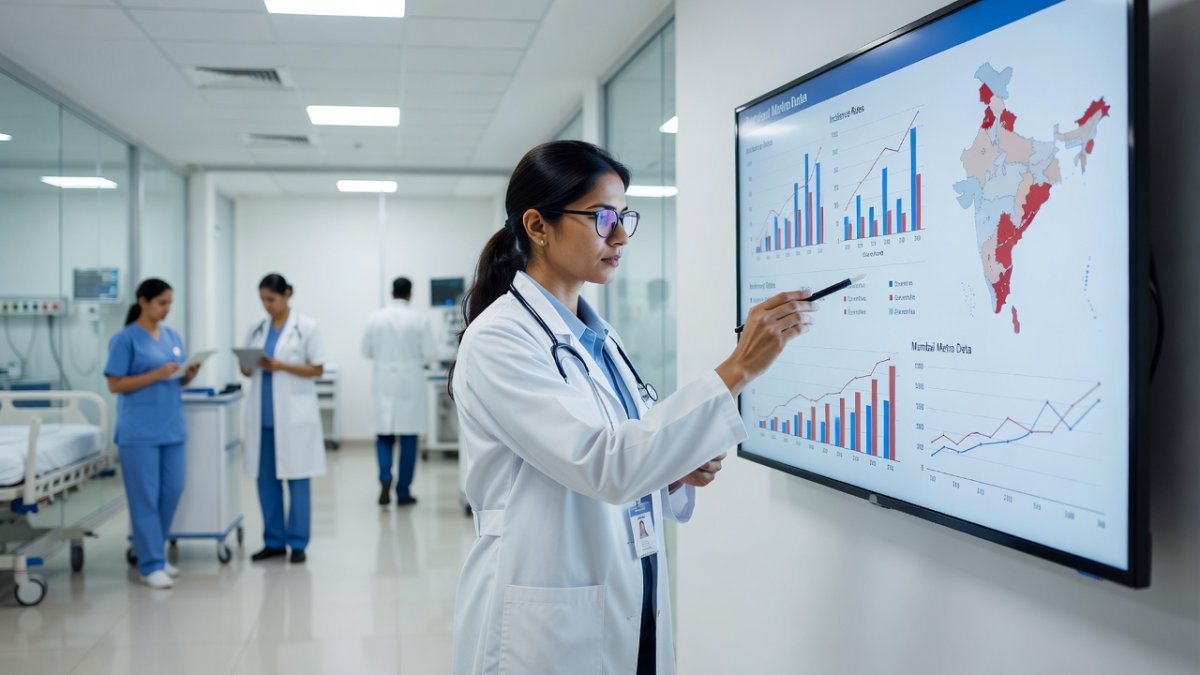
Four in ten cancer cases globally are preventable, according to the 2026 report. IARC Director Dr Weiderpass noted, "The cancer profile is evolving, increasingly driven by rising rates of obesity, physical inactivity, unhealthy diets and air pollution. Cancer prevention must remain a political priority." Tobacco, alcohol, poor diet, obesity, and infections such as HPV account for the bulk of these avoidable cases. India's COTPA legislation has contributed to a 27% decline in tobacco use since 2010, yet enforcement remains patchy across states. Urban centres like Mumbai, Delhi, and Bengaluru witness surging lifestyle-related cancers linked to sedentary behaviour, processed food consumption, and rising obesity rates. Rural areas face different challenges, including limited awareness of hepatitis B vaccination and HPV prevention. Expanding HPV vaccination to all adolescent girls could prevent the majority of cervical cancers, which still claim thousands of Indian lives yearly. Integrating risk-factor counselling into Ayushman Bharat wellness clinics offers a scalable pathway. Without stronger taxation on tobacco and sugar-sweetened beverages plus sustained public campaigns, India risks seeing preventable cases climb sharply toward the 28 lakh projection by 2050.
Section 3: Survival Gaps — The Two-Track Reality
Breast cancer survival reaches 87% in wealthy countries but falls to just 42% in poorer settings, illustrating stark inequities. Only one in three countries worldwide includes cancer services in universal health coverage packages. Access to essential cancer medicines ranges from 9-54% in low-resource nations versus 68-94% in high-income countries. Dr Tedros emphasised that survival must not hinge on geography or income. In India, these gaps manifest sharply between states: Bihar and Odisha report far lower early-detection rates than Tamil Nadu or Kerala. Patients in underserved regions often travel hundreds of kilometres for radiotherapy or chemotherapy, arriving at advanced stages. The 2026 report stresses that closing these survival gaps requires both medicine availability and robust primary-care screening. India's National Cancer Control Programme has expanded regional cancer centres, yet medicine stockouts and diagnostic delays persist. Addressing the 9-54% access range demands pooled procurement and state-level supply-chain reforms. Without deliberate equity measures, India's projected 28 lakh cases will translate into disproportionately high mortality compared with better-resourced Asian peers.
Section 4: India's 28 Lakh Question
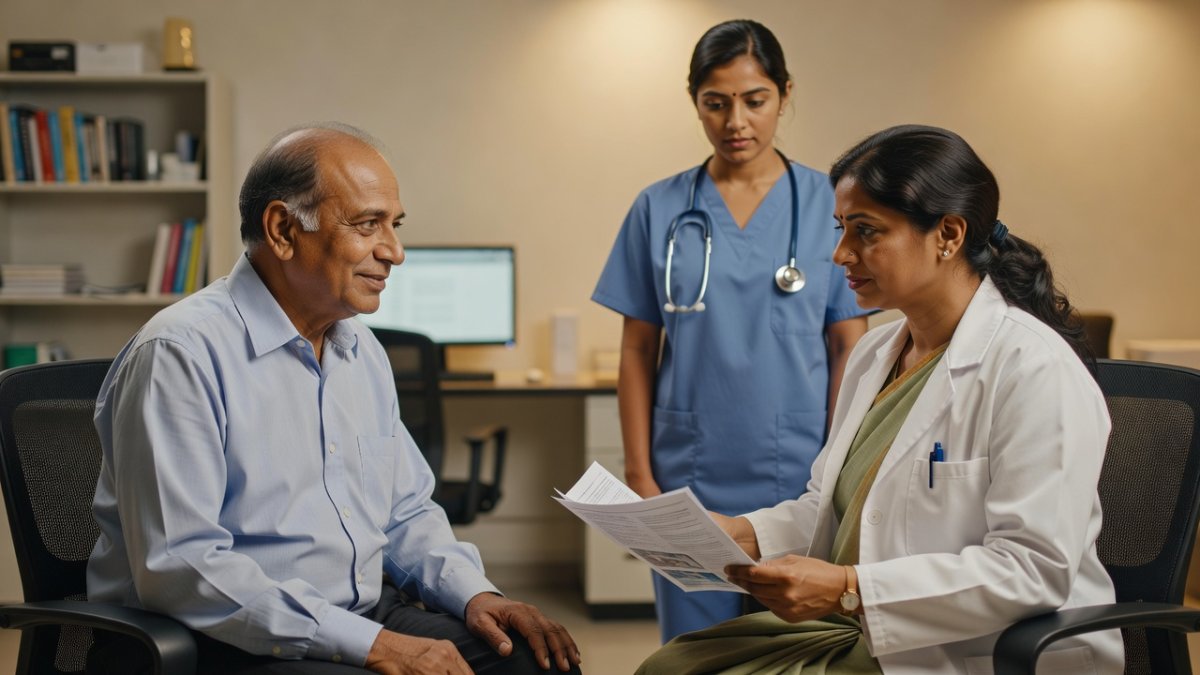
India recorded 15.6 lakh new cancer cases and 8.74 lakh deaths in 2024. Projections indicate 28 lakh new cases by 2050, placing enormous strain on existing infrastructure. Asia accounts for 50.7% of global incidence and 56.5% of deaths, with India contributing a significant share. Lung, breast, and cervical cancers dominate the Indian burden. The country ranks among the six worst nations for children losing mothers to cancer, creating long-term social and economic ripple effects. State-level variations are pronounced: Tamil Nadu and Kerala demonstrate stronger primary-care integration and higher screening uptake, while Uttar Pradesh and Rajasthan grapple with low awareness and sparse oncology facilities. The National Programme for Prevention and Control of Cancer, Diabetes, Cardiovascular Diseases and Stroke (NPCDCS) and the National Cancer Control Programme provide policy frameworks, yet funding and human resources remain inadequate relative to need. Ayushman Bharat has improved financial protection for some procedures, but comprehensive cancer care often exceeds package limits. Urban lifestyle shifts in Mumbai, Delhi, and Bengaluru accelerate obesity- and pollution-linked lung cancers, while Kanpur and Ahmedabad's poor air quality adds measurable risk. HPV vaccination expansion offers hope for cervical cancer reduction, but coverage must accelerate beyond pilot districts. Meeting the 28 lakh challenge requires doubling screening at primary health centres and enforcing COTPA uniformly.
Section 5: Beyond the Body — Financial and Mental Toll
Forty-five percent of cancer patients and families experience financial hardship, while over 50% face mental health challenges. Clarissa Schilstra observed, "Cancer is not just a medical diagnosis, it profoundly affects every aspect of a person's life, and their family's as well." In India, out-of-pocket expenditure remains high despite Ayushman Bharat, often forcing families to sell assets or withdraw children from school. Caregivers, predominantly women, endure lost wages and psychological strain that compounds across generations. The 2026 report links these burdens directly to incomplete universal health coverage; only one in three countries covers cancer comprehensively. In Bihar and Odisha, patients frequently borrow at high interest rates for travel and medicines unavailable locally. Mental health support is virtually absent from most district cancer programmes. Integrating psychosocial counselling into NPCDCS and training community health workers could mitigate some of this toll. Without addressing the 45% financial hardship rate, India's projected rise to 28 lakh cases will deepen poverty cycles in already vulnerable households.
Section 6: From G20 to Ground — Policy Pathways
India's 2023 G20 Presidency endorsed WHO cancer initiatives, creating momentum for domestic action. Tobacco use has already declined 27% since 2010 through COTPA and taxation measures. HPV vaccination is expanding, yet full national rollout requires sustained procurement and school-based delivery. Air quality improvements in Kanpur and Ahmedabad would reduce lung cancer incidence linked to pollution. Scaling screening at primary health centres, especially for breast, cervical, and oral cancers, remains critical. Tamil Nadu and Kerala's models of community outreach and early referral offer replicable templates for Uttar Pradesh and Rajasthan. Strengthening medicine access to close the 9-54% gap demands centralised procurement and state-level monitoring. Integrating cancer indicators into Ayushman Bharat dashboards would improve accountability. Political prioritisation of prevention, as urged by Dr Weiderpass, must translate into budget allocations that match the scale of the 28 lakh projection.
The Bottom Line
If India accelerates proven interventions—full COTPA enforcement, nationwide HPV vaccination, air-quality controls, and primary-care screening integration—the projected 28 lakh cases by 2050 could be reduced by hundreds of thousands, saving lives and billions in treatment costs. Conversely, inaction will see mortality climb in line with Asia's 56.5% death share, widening survival gaps and deepening financial hardship for 45% of affected families. The 2026 WHO report provides both the data and the roadmap. Policymakers must now translate G20 commitments into state-level targets, increase NPCDCS funding, and ensure no child loses a mother to a preventable cancer. The choice is clear: invest decisively today or confront an overwhelming burden tomorrow.
— By Dr. Raj Patel, Staff Writer
This article was produced with AI-assisted research and editorial support. Reporting is based on sources cited in the article.
What's Your Reaction?
 Like
0
Like
0
 Dislike
0
Dislike
0
 Love
0
Love
0
 Funny
0
Funny
0
 Wow
0
Wow
0
 Sad
0
Sad
0
 Angry
0
Angry
0

India/South Asia Correspondent at Global1.News. Analytical voice with a background in science and health journalism. Based in New Delhi, covering Indian politics, education, healthcare, technology, and policy. Breaks down complex data into clear, actionable reporting.










Comments (0)