
ICJ Climate Verdict and UN Backing Force Latin America Accountability
In a groundbreaking development that reshapes global climate accountability, the International Court of Justice has delivered a verdict with profound implications for Latin America. This ruling, endorsed by the UN, sets new legal precedents amid rising temperatures across the region. ICJ Climate Verdict and UN Backing Force Latin America Accountability The Hague, Netherlands —
ICJ Climate Verdict and UN Backing Force Latin America Accountability
The Hague, Netherlands — Brazil, June 2026 — The International Court of Justice’s July 2025 advisory opinion has ignited a legal revolution across Latin America, where record heatwaves and vanishing glaciers now carry enforceable human-rights consequences. With the UN General Assembly’s overwhelming endorsement in May 2026, states from the Amazon to the Andes face concrete obligations to curb emissions or face liability claims.
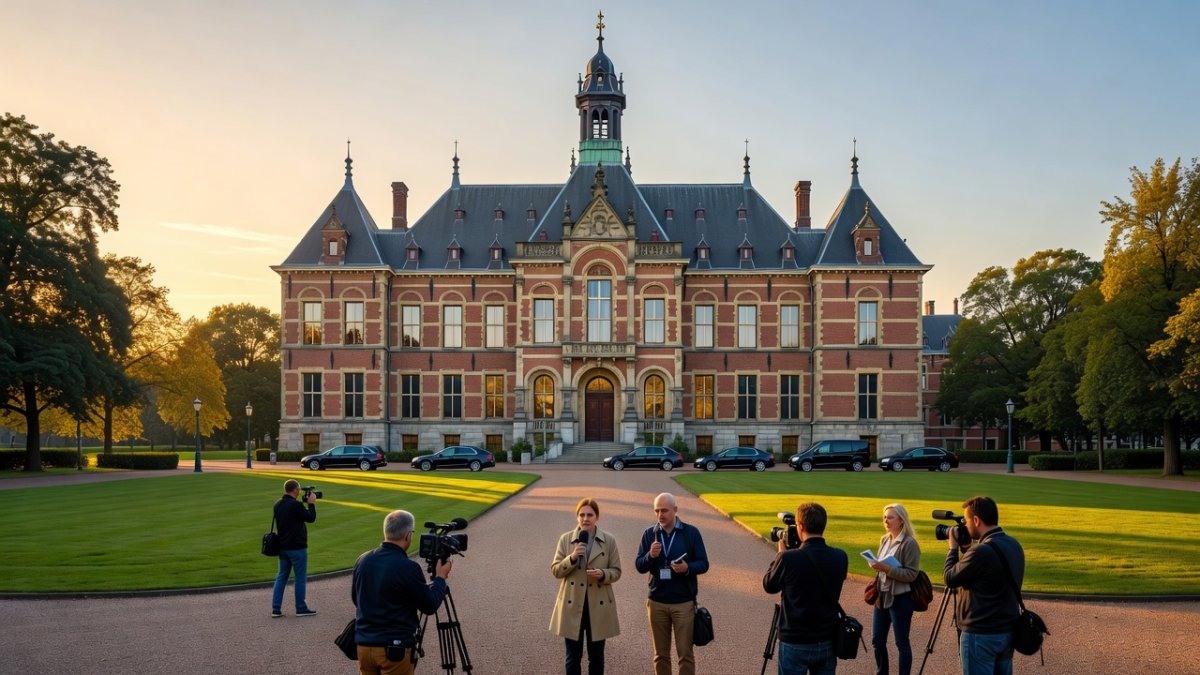
The Hague Renders Its Verdict
The International Court of Justice issued its landmark advisory opinion in July 2025 after examining tens of thousands of pages of submissions and hearing two weeks of oral arguments before all 15 judges. The court declared greenhouse gas emissions “unequivocally caused by human activities” and labeled climate change an “existential threat” to humanity. This determination established that states possess clear legal obligations under international law, including human rights law, to prevent significant climate harm. The ruling explicitly states that nations must employ all available means at their disposal to avoid such damage, opening pathways for liability when governments fail to curb emissions, phase out fossil fuel subsidies, or halt new extraction licenses. Consequences could include orders for cessation of harmful practices, guarantees of non-repetition, and full reparations for affected communities. For Latin American countries already experiencing 52.7°C temperatures in Mexico and sustained above-40°C readings in Brazil and Paraguay during 2025, the opinion transforms abstract climate pledges into judicially reviewable duties. The decision draws on the full spectrum of international environmental and human-rights instruments, creating a unified framework that national courts in the region can now invoke directly.
141 Nations Endorse: The UN Vote
On May 21, 2026, the UN General Assembly adopted a resolution endorsing the ICJ advisory opinion by a vote of 141 in favor, with only eight nations opposing: the United States, Russia, Saudi Arabia, Iran, Israel, Belarus, Liberia, and Yemen. Twenty-eight countries abstained. Vanuatu, which championed the initiative through the UN process beginning in March 2023, led the diplomatic effort that culminated in this historic affirmation. Vanuatu Climate Minister Ralph Regenvanu declared, “Today the international community affirmed that climate change is not only a political and economic challenge, but a matter of law, justice, and human rights.” UN Human Rights Chief Volker Türk hailed the outcome as a “sweeping victory.” The vote signals broad global consensus that climate obligations are no longer voluntary, placing particular pressure on Latin American governments to align domestic policy with the new legal standard. The eight opposing states represent major emitters and fossil-fuel interests, yet their isolation underscores the ruling’s moral and legal weight. For countries such as Brazil, Colombia, and Peru, the resolution provides powerful diplomatic cover to pursue ambitious mitigation while seeking international support for adaptation and loss-and-damage claims.
Latin America’s Own Climate Court
Parallel to the ICJ process, the Inter-American Court of Human Rights delivered Advisory Opinion OC-32/2025 on the Climate Emergency and Human Rights in May 2025. Requested by Chile and Colombia in 2023, the opinion emerged after more than 600 participants—including states, scientists, Indigenous groups, and civil society—contributed to the proceedings. The IACtHR declared an “undeniable climate emergency” directly linked to the rights to life, health, food, water, a healthy environment, and cultural integrity. The opinion applies to all twenty-plus signatory states of the American Convention on Human Rights, establishing a regional benchmark that complements the ICJ’s global framework. By recognizing climate change as a systemic human-rights crisis, the court has equipped advocates across the Americas with new litigation tools. National courts in Argentina, Mexico, and Ecuador can now cite this opinion when reviewing permits for fossil-fuel projects or deforestation. The ruling also emphasizes states’ duty to regulate corporate actors, particularly in extractive industries, thereby extending accountability beyond governments to private agribusiness and mining operations that dominate Latin American economies.
Amazon at the Center
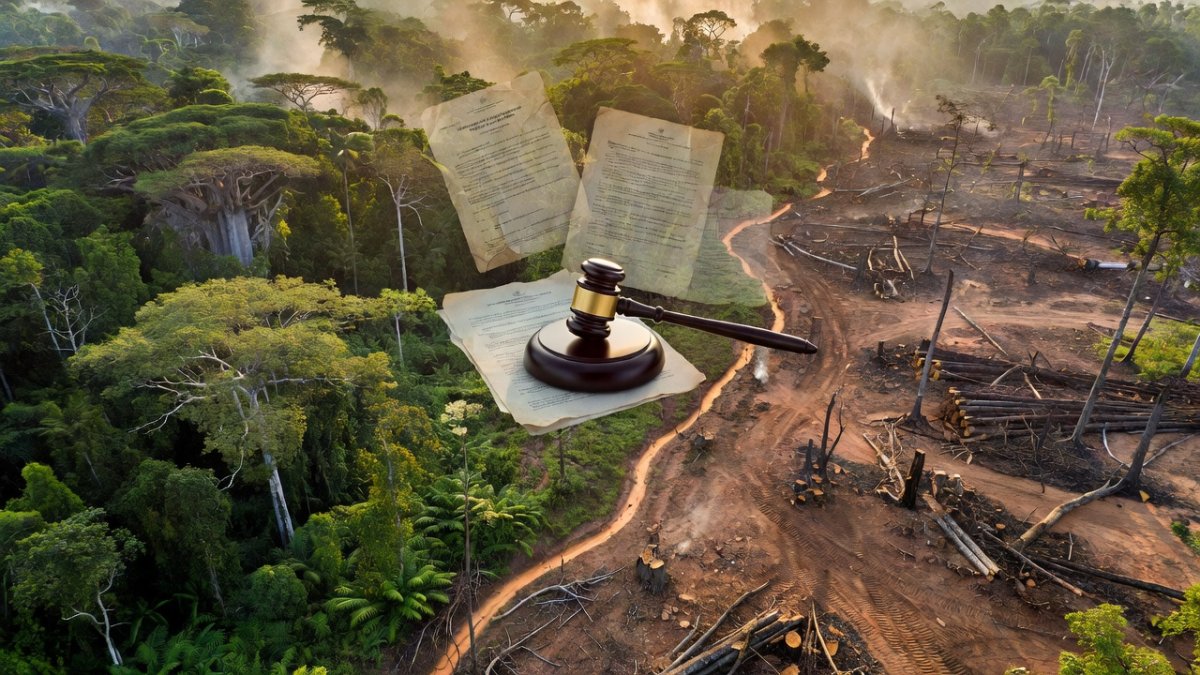
The Amazon rainforest stands at the heart of the new legal landscape. Latest 2026 data show deforestation at its lowest level since 2014, yet the basin remains a critical carbon sink whose protection is now legally mandated under both ICJ and IACtHR standards. Brazil’s President Lula faces a tight re-election contest against Flavio Bolsonaro in June 2026, with agribusiness interests pushing for expanded soy and cattle frontiers. The IACtHR opinion sets a fresh legal standard for Amazon protection, Indigenous territories, and accountability of large-scale agricultural operations. Indigenous communities have already begun citing the ruling in lawsuits seeking suspension of new licenses. The court’s emphasis on cultural rights strengthens claims that deforestation violates the collective rights of forest peoples. Meanwhile, the ICJ’s liability provisions could expose Brazil to reparations claims from downstream nations affected by altered rainfall patterns. Political rhetoric in the Bolsonaro campaign dismisses these obligations as foreign interference, yet the 141-nation UN vote demonstrates overwhelming international support for enforcement. The coming months will test whether Brazil’s judiciary integrates these advisory opinions into binding domestic precedent before the election.
Andean Frontlines: Glaciers, Water, and Mining
Andean nations confront acute water-security threats as glaciers retreat at accelerating rates. Peru’s Cordillera Blanca has lost over 30 percent of its ice since 2000, directly threatening drinking water and irrigation for millions. Chile’s lithium triangle mining operations, vital for global battery supply chains, now face heightened scrutiny under the IACtHR’s recognition of the right to water. The court’s opinion requires states to conduct rigorous climate-impact assessments before approving new extraction projects. Bolivia, though not a party to every instrument, feels regional ripple effects through shared aquifers. The ICJ ruling’s reparations clause could enable communities displaced by glacier loss to seek compensation from historical emitters. Chile’s advanced glacier-protection legislation and water-rights reforms already align with the new standards, yet enforcement gaps persist. Colombia’s 2018 Amazon ruling, which recognized the ecosystem as a rights-bearing entity, offers a domestic model other Andean states may replicate. These legal developments intersect with the urgent need for a just transition away from fossil fuels while managing critical-mineral demand.
Voices from the Ground: Indigenous and Community Perspectives
Indigenous leaders across the Amazon and Andes have welcomed the twin rulings as long-overdue recognition of their stewardship role. In Brazil’s Xingu territory, community monitors report that the IACtHR opinion has already bolstered legal challenges against illegal mining incursions. Environmental defenders in Peru’s Cordillera Huayhuash cite the ICJ’s liability provisions when demanding reparations for lost water sources. The more than 600 participants in the IACtHR process included numerous Indigenous organizations whose testimony shaped the final text. These voices stress that climate obligations must incorporate free, prior, and informed consent for any project affecting ancestral lands. Record 2025 heatwaves have intensified health impacts in rural communities lacking adequate cooling infrastructure, underscoring the human-rights dimension affirmed by both courts. Grassroots organizations now train paralegals to file complaints under the new standards, transforming abstract international law into tangible local advocacy. The rulings have also catalyzed cross-border alliances among Indigenous groups from Venezuela to Chile, sharing litigation strategies and data on corporate emissions.
The Bottom Line — What Comes Next for Latin America
Implementation remains the central challenge. While the ICJ and IACtHR opinions are advisory, national courts and legislatures are already incorporating their reasoning into domestic jurisprudence. Brazil’s June 2026 election will determine whether the country accelerates Amazon protection or reopens extraction frontiers. COP31, expected in late 2026, will test whether Latin American nations leverage the new legal tools to demand ambitious finance and technology transfer. A just transition must address both emission reductions and the socio-economic needs of workers in fossil-fuel and mining sectors. The 141-nation UN vote provides diplomatic momentum, yet opposition from major emitters signals continued resistance. Regional cooperation through the Amazon Cooperation Treaty Organization and the Andean Community could harmonize standards and pool legal resources. Ultimately, the rulings convert decades of scientific warnings into enforceable duties, offering Latin America both a shield against further harm and a sword to pursue historical accountability. The coming years will reveal whether the region seizes this legal moment to protect its people and ecosystems.
By Elena Vasquez, Staff WriterThis article was produced with AI-assisted research and editorial support. Reporting is based on sources cited in the article.
What's Your Reaction?
 Like
0
Like
0
 Dislike
0
Dislike
0
 Love
0
Love
0
 Funny
0
Funny
0
 Wow
0
Wow
0
 Sad
0
Sad
0
 Angry
0
Angry
0

Latin America Correspondent at Global1.News. Based in Mexico City, covering politics, economics, energy, and culture across the region. Brings an on-the-ground perspective to stories spanning from the Rio Grande to Patagonia.














Comments (0)