
Fox News Settlement: A $787.5 Million Reckoning for Spreading Election Lies
Fox News Settlement: A $787.5 Million Reckoning for Spreading Election Lies The Settlement — $787.5 million details, timing, what it means The Dominion Voting Systems settlement with Fox News for $787.5 million in April 2023 stands as the largest defamation payout in United States media history. This massive sum arrived just days before jury selection was set to begin in Wilmin
The Settlement — $787.5 million details, timing, what it means
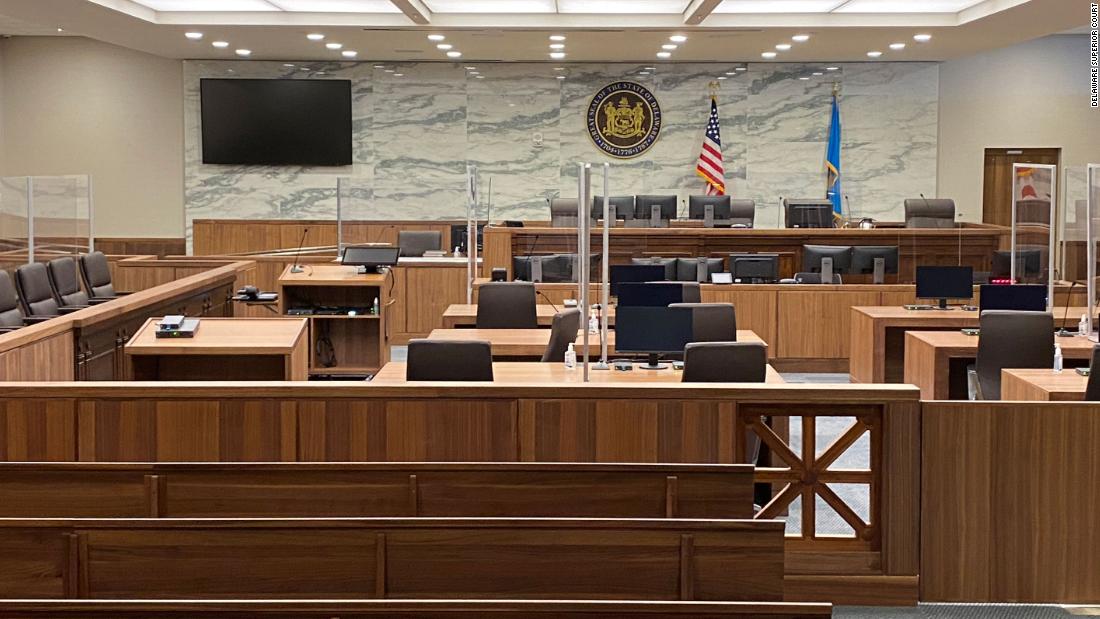
The Dominion Voting Systems settlement with Fox News for $787.5 million in April 2023 stands as the largest defamation payout in United States media history. This massive sum arrived just days before jury selection was set to begin in Wilmington, Delaware, avoiding a full public trial that would have exposed even more internal communications. Dominion had originally sought $1.6 billion, underscoring the severity of the damages claimed from false fraud allegations broadcast repeatedly on Fox programs. The timing suggests Fox executives calculated that settling was preferable to risking a jury verdict that could have exceeded this already record amount.
This agreement carries profound implications for how media companies handle politically charged claims. By paying out such an enormous figure without admitting wrongdoing in the final statement, Fox acknowledged the court found certain Dominion claims false while sidestepping further scrutiny. The settlement forces a financial reckoning that no amount of spin can erase. It signals to other networks that reckless amplification of unproven election fraud narratives carries real monetary consequences far beyond reputational damage. Viewers and shareholders alike must now question the cost of prioritizing ratings over verified facts in coverage of democratic processes.
Ultimately, the $787.5 million figure represents more than dollars; it marks a turning point in holding powerful media entities accountable. The decision to settle days before trial prevented a deeper examination but still delivered a historic blow. This outcome reminds the industry that defamation involving voting systems can no longer be dismissed as mere commentary when evidence shows internal awareness of falsehoods. Public trust in elections depends on accurate reporting, and this payout underscores the price of undermining it.
Pre-trial Discovery — the Murdoch emails, Carlson texts, Hannity doubts
Pre-trial discovery in the Dominion case unearthed damning internal communications that revealed Fox leadership knew fraud claims were baseless. Rupert Murdoch's emails explicitly showed awareness that the stolen election narrative lacked foundation, yet the network continued promoting it. These documents painted a picture of calculated decisions driven by audience retention rather than journalistic integrity. The revelations demonstrated how top executives balanced private knowledge against public broadcasts that fueled widespread distrust in the 2020 election results.
Tucker Carlson's texts further exposed the disconnect, describing the fraud claims as "absurd" and "insane" in private while his on-air segments amplified them. This contrast highlights a troubling pattern where personal skepticism was subordinated to maintaining viewer engagement. Sean Hannity similarly expressed private doubts about the allegations, yet participated in programming that lent them credibility. Such evidence from discovery illustrated how individual reservations failed to halt the spread of misinformation across multiple prime-time shows.
These unearthed messages collectively stripped away any pretense of good-faith reporting. They proved that Fox personnel at the highest levels recognized the claims as false but proceeded anyway. The discovery process transformed what might have been defended as opinion into documented deception. This body of evidence forced the settlement by making a trial defense untenable and exposed the inner workings of a network prioritizing narrative over truth.
The Players — Murdoch, Carlson, Hannity, Scott — their specific roles
Rupert Murdoch played the central role as the ultimate decision-maker whose emails confirmed knowledge of the fraud claims' falsity. As the controlling force behind Fox, his communications revealed strategic choices to air unverified content despite internal recognition of its inaccuracy. Murdoch's position allowed him to shape coverage that influenced millions, yet discovery showed he understood the risks without intervening to correct course. His involvement set the tone for an organization that valued audience loyalty over factual reporting on election integrity.
Tucker Carlson and Sean Hannity served as the primary on-air voices advancing the Dominion-related falsehoods. Carlson's private texts labeling the claims "absurd" and "insane" stood in direct opposition to his public segments, illustrating a deliberate choice to prioritize sensationalism. Hannity's expressed doubts similarly contrasted with his broadcasts, contributing to the cumulative damage that prompted Dominion's lawsuit. Both hosts operated within a system where private skepticism yielded to corporate directives on content.
While Scott's specific contributions remain less detailed in available records, the collective actions of these figures created an environment where false narratives thrived unchecked. Murdoch's oversight enabled the hosts' platforms, and their combined output inflicted measurable harm on Dominion's reputation. This hierarchy of responsibility underscores how leadership decisions cascaded into widespread misinformation, culminating in the record settlement that holds the entire structure accountable.
Judge's Rulings — opinion defense stripped, what the court determined
The presiding judge ruled that Fox could not rely on the First Amendment "opinion" defense to shield its broadcasts about Dominion. This critical decision eliminated the network's primary legal shield by establishing that the statements went beyond protected commentary into verifiable falsehoods. The court determined that certain claims against Dominion were demonstrably false, removing any ambiguity about their status as opinion rather than fact-based reporting. This ruling fundamentally altered the trajectory of the case and compelled Fox to confront the consequences of its programming choices.
By stripping the opinion defense, the judge ensured that the evidence from pre-trial discovery would face direct evaluation at trial. The determination that specific allegations lacked factual basis left Fox with limited options, accelerating the path to settlement. This judicial stance reinforced that media outlets cannot simply reframe damaging lies as subjective viewpoints when internal records prove awareness of their inaccuracy. The ruling protected the integrity of defamation standards in high-stakes political coverage.
The court's findings also highlighted the distinction between legitimate analysis and reckless dissemination of falsehoods. Fox's acknowledgment that the court found certain Dominion claims false further validated this position. Such determinations serve as a reminder that judicial oversight can pierce corporate defenses when evidence of knowing falsehoods emerges. The outcome strengthened the legal framework for holding media accountable when opinion crosses into harmful deception.
Legal Impact — defamation law, media accountability precedent
The Dominion settlement establishes a powerful precedent in defamation law by demonstrating that media companies face substantial liability for knowingly broadcasting false claims about election technology. At $787.5 million, the largest such award in U.S. history, it raises the stakes for future cases involving politically motivated misinformation. This outcome signals that courts will scrutinize internal communications to determine actual malice, making it harder for networks to evade responsibility through technical defenses.
Media accountability gains new teeth from this case, as the ruling against the opinion defense narrows protections previously exploited in contentious coverage. Other outlets must now weigh the financial risks of amplifying unverified fraud allegations, particularly when discovery could reveal contradictory private assessments. The precedent encourages more rigorous fact-checking processes and internal pushback against sensational content that targets specific companies like Dominion.
Long-term, this settlement reshapes how defamation suits proceed against major broadcasters. It affirms that original demands of $1.6 billion reflect the scale of potential harm, pressuring defendants to settle earlier when evidence mounts. The case sets expectations for transparency in politically sensitive reporting and deters the casual spread of damaging falsehoods under the guise of news analysis.
Media Trust — what this means for journalism and the public
The Fox-Dominion settlement erodes public confidence in journalism by exposing how private doubts among hosts like Carlson and Hannity failed to prevent the airing of known falsehoods. When audiences learn that Murdoch's emails confirmed awareness of inaccuracies, the perception of news as a truth-seeking enterprise suffers. This breach of trust extends beyond one network, prompting viewers to question whether other outlets similarly prioritize engagement over accuracy in election-related stories.
Journalism as a profession must confront the damage inflicted when internal skepticism yields to corporate incentives. The $787.5 million payout serves as a tangible reminder that misleading the public on voting systems carries consequences that reverberate through democratic institutions. Rebuilding credibility requires demonstrable shifts toward verification and accountability rather than reliance on post-settlement statements that avoid full admissions.
For the broader public, this case underscores the importance of demanding evidence-based reporting on matters central to elections. The revelations from discovery highlight how easily misinformation spreads when media figures suppress their own reservations. Moving forward, sustained scrutiny of media practices will be essential to restoring faith in institutions tasked with informing citizens about the integrity of their votes.
By Jessica Ali, Staff WriterThis article was produced with AI-assisted research and editorial support. Reporting is based on sources cited in the article.
What's Your Reaction?
 Like
0
Like
0
 Dislike
0
Dislike
0
 Love
0
Love
0
 Funny
0
Funny
0
 Wow
0
Wow
0
 Sad
0
Sad
0
 Angry
0
Angry
0

Editor-in-Chief at Global1.News. Atlanta-based journalist who cuts through the BS and tells it like it is. Lead anchor, host, and the voice you hear when the spin stops and the truth starts.















Comments (0)