
2,700 Heat Deaths in UK Expose Climate Failures
Record-Breaking Heat, Record-Breaking Death Toll More than 2,700 people died prematurely in England and Wales during the May and June 2026 heatwaves, according to scientists from Imperial College London, the Met Office and the London School of Hygiene & Tropical Medicine. The figures, released on 13 July 2026, lay bare how extreme heat now cuts through ordinary routines in citi
Record-Breaking Heat, Record-Breaking Death Toll
More than 2,700 people died prematurely in England and Wales during the May and June 2026 heatwaves, according to scientists from Imperial College London, the Met Office and the London School of Hygiene & Tropical Medicine. The figures, released on 13 July 2026, lay bare how extreme heat now cuts through ordinary routines in cities from London to Birmingham and Norwich to Bristol.
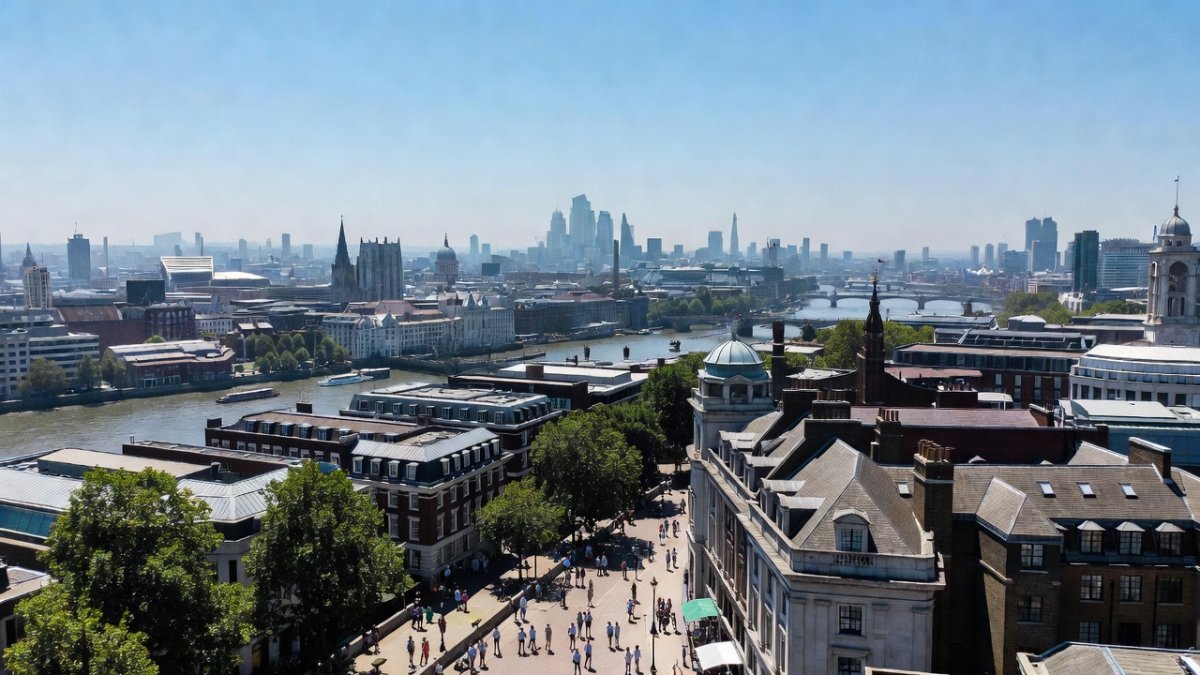
Residents in west London watched thermometers hit 35.1°C at Kew Gardens on 26 May, shattering the previous May record of 32.8°C set in 1922 and 1944. In Norfolk, Lingwood recorded 37.7°C in June, the highest June temperature ever logged in England. These were not distant anomalies; they disrupted commutes on the Elizabeth line, closed classrooms in the West Midlands and forced NHS trusts to declare critical incidents when MRI scanners and IT systems failed.
The Numbers Behind the Crisis — detailed breakdown
Approximately 550 deaths occurred during the nine-day May heatwave from 21 to 29 May. The June heatwave from 18 to 28 June proved far deadlier, claiming around 2,200 lives. During its three-day peak from 24 to 26 June, mortality reached roughly 440 deaths a day. The Office for National Statistics context makes the scale clearer: daily road-traffic deaths average four, while alcohol and drug-related deaths average 35.
UKHSA data already show more than 10,000 heat-related deaths across Britain between 2020 and 2024. The 2026 early-season events have pushed the toll higher still, with three consecutive red heat-health alerts issued for the first time, covering the West Midlands, East Midlands, South East, South West, London and the East of England.
Climate Change at Work — The Attribution Science
Researchers attribute 42 per cent of the deaths directly to human-caused climate change. The extra 1.4°C of global heating added 3–4°C to peak temperatures. Dr Clair Barnes of Imperial College London stated: “These are big numbers and we don’t want to see this many people dying… We’ve reached the point where the heat is so extreme that we can’t help but acknowledge the impacts it has.”
Dr Mark McCarthy of the Met Office described 2026 as “exceptional for the two early-season heatwaves… these smashed records.” Germany recorded 41.7°C and an estimated 5,500 heat deaths, underlining that the June event was the widest and most intense ever measured across Europe.
A System Under Strain — NHS, Schools, Transport
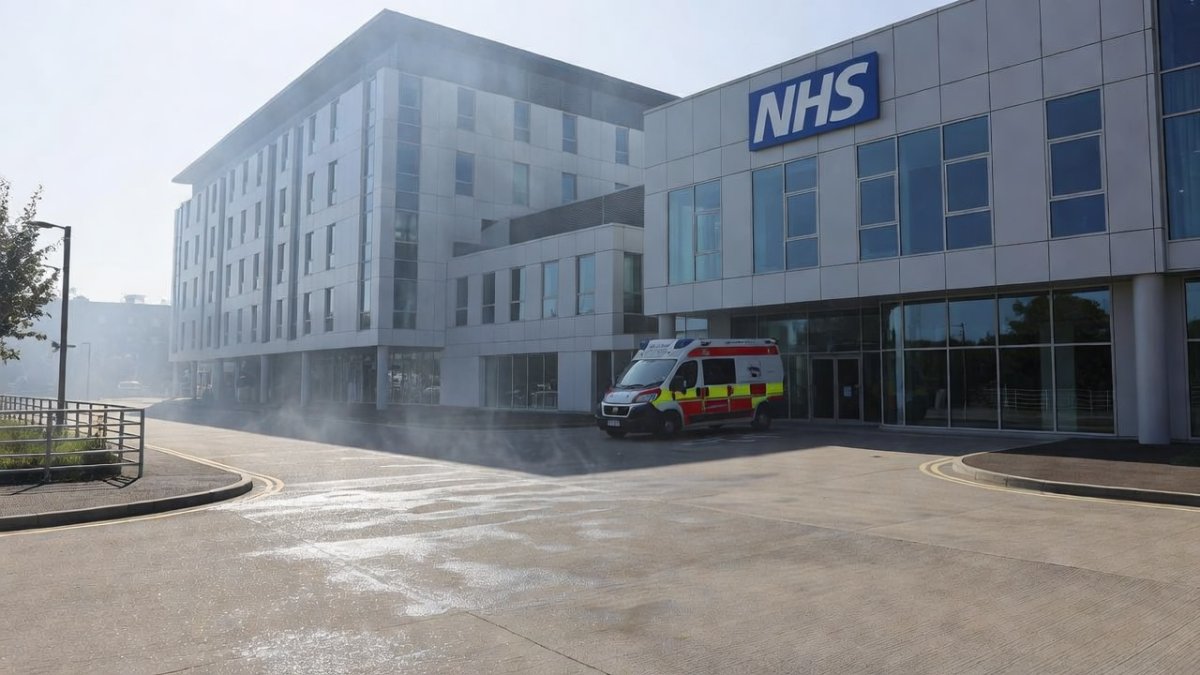
NHS England trusts activated critical incident protocols when equipment overheated and patient flow collapsed. Tropical nights offered little relief in homes never designed for sustained high humidity. Schools across the South East and Midlands sent pupils home early, while rail services between London and the Midlands suffered repeated speed restrictions.
Prof Lea Berrang Ford, Head of the UKHSA Centre for Climate and Health Security, noted that the modelled estimates “help illustrate the scale of risk associated with extreme heat and the growing threat climate change poses to our wellbeing.” Dr Malcolm Mistry of the London School of Hygiene & Tropical Medicine added: “We are still in the first half of summer in the UK and large parts of England and Wales have already experienced two record-breaking heatwaves.”
The North-South Risk Divide — regional vulnerability
While southern England recorded the highest absolute temperatures, death rates per million were comparable in the Midlands. Regions less accustomed to extreme heat showed similar vulnerability, suggesting that building standards, urban design and public-health messaging have not kept pace with shifting risk. Prof Fredi Otto of Imperial College warned: “Don’t underestimate the risks. Just because you’re fit and healthy, you’re not safe.”
What Must Be Done — The Political and Policy Response
The Climate Change Committee has warned for more than a decade that UK plans remain inadequate. Denis Fernando of Friends of the Earth called the situation “a national scandal that the UK remains so dangerously unprepared.” Prof Emily Shuckburgh, chief scientific adviser at the Department for Energy Security and Net Zero, stated: “These extreme heat events are costing lives today, and we really need to take climate change seriously.”
The Bottom Line — What Comes Next
With a third heatwave already under way in July 2026, the question is no longer whether further deaths will occur but how many could be prevented by urgent adaptation. Dr Clair Barnes concluded: “Hopefully just the sheer size of the numbers is really illustrating to people that this is something we need to be worrying about and preparing for.” The data demand immediate action from the Treasury, the Ministry of Housing, Communities and Local Government and NHS England if the silent killer is to be confronted before the next summer. By Erica Thornton, Staff Writer
This article was produced with AI-assisted research and editorial support. Reporting is based on sources cited in the article.
What's Your Reaction?
 Like
0
Like
0
 Dislike
0
Dislike
0
 Love
0
Love
0
 Funny
0
Funny
0
 Wow
0
Wow
0
 Sad
0
Sad
0
 Angry
0
Angry
0

US Politics and Policy Correspondent at Global1.News. Based in Washington DC, covering American politics, policy, elections, and the courts. Knows how the system works and tells you what it actually means.












Comments (0)