
Egypt World Cup Exit: Controversy, VAR, and African Football Place on the Global Stage
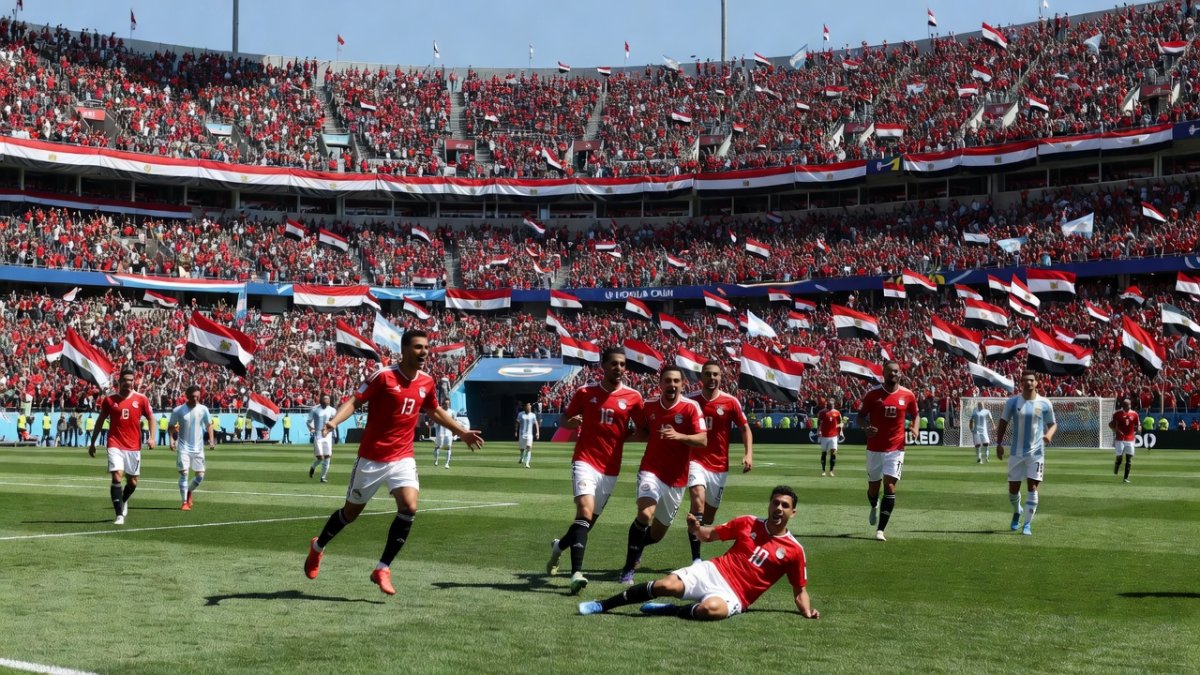
The Heart of the Controversy in Atlanta Egypt's exit from the World Cup came in a 3-2 defeat to Argentina that left many across the continent questioning the fairness of key decisions. The match in Atlanta saw Egypt take the lead in the second half before the video assistant referee ruled out a goal by Mostafa Zico. The call stemmed from a foul judged against midfielder Marwan
The Heart of the Controversy in Atlanta
Egypt's exit from the World Cup came in a 3-2 defeat to Argentina that left many across the continent questioning the fairness of key decisions. The match in Atlanta saw Egypt take the lead in the second half before the video assistant referee ruled out a goal by Mostafa Zico. The call stemmed from a foul judged against midfielder Marwan Attia for stepping on Lisandro Martinez's foot at the start of the attacking move.
Egypt also felt a foul on Mohamed Salah in the Argentina penalty area went unpunished moments before the reigning champions scored the stoppage-time winner. These incidents turned what had been a competitive last-16 tie into a source of deep frustration for Egyptian supporters and officials alike. The result ended Egypt's campaign without them reaching the quarter-finals, a stage the nation has never attained.
Egypt's Formal Complaint to FIFA
The Egyptian Football Association moved quickly after the final whistle. President Hany Abou Rida lodged a formal complaint with FIFA demanding an investigation into the officiating team led by French referee Francois Letexier. The statement highlighted what the federation described as blatant errors and a failure to review certain footage properly.
The EFA called for the entire crew, including the video technology officials, to be excluded from the remainder of the tournament. It pointed to alleged double standards in how decisions were handled and spoke of discrimination against the Egyptian national team. FIFA has yet to issue a public response to the complaint, consistent with its usual approach to such protests during the competition.
Similar appeals in past World Cups have rarely produced public explanations or changes. When France protested a video assistant referee decision in their 2022 group-stage loss to Tunisia, the appeal received only a brief dismissal without detailed reasoning.
Voices from the Egyptian Camp
Manager Hossam Hassan expressed strong disappointment after the match. He stated that Egypt had been treated unfairly and suffered injustice, suggesting that some may have wanted the world champions to remain in the competition. Player Mostafa Zico echoed this sentiment, describing the referee as unfair and claiming the injustice was clear from the start of the match.
Zico went further by alleging that the tournament appeared fixed. These comments reflect the raw emotion that follows a narrow defeat on such a large stage. The Egyptian Football Association has since approved a new contract for Hassan, who has led the team since February 2024, signalling continued confidence in his leadership despite the exit.
African Football on the Global Stage
From a Senegalese perspective, matches like this one resonate deeply because African teams often carry the hopes of an entire continent when they reach the knockout stages. Egypt's performance against Argentina showed the quality and resilience that sides from our region can display, yet it also highlighted recurring challenges with officiating that many African federations have raised over the years.
Senegal's own journeys in recent World Cups have included moments where video reviews and referee interpretations shaped outcomes in ways that left fans feeling the process lacked transparency. These experiences connect supporters across borders, whether in Dakar, Cairo or Accra, as we watch our teams compete under intense scrutiny.
The broader picture involves how African football continues to grow through investment in academies and domestic leagues, yet still faces structural hurdles when decisions at major tournaments appear inconsistent. Egypt's complaint brings these issues back into focus at a time when the continent seeks greater influence in global football governance.
What This Means for the Continent's Aspirations
The controversy surrounding Egypt's exit touches on wider questions about representation and fairness that matter to every African football fan. When protests cite double standards, they echo conversations heard in living rooms and tea shops from Senegal to South Africa about whether all teams receive equal treatment under the rules.
At the same time, the result does not erase the progress African sides have made in recent tournaments. Teams from the continent have shown they can match top opposition for long stretches, creating moments that inspire young players back home. The focus now shifts to how federations can channel such frustrations into constructive dialogue with FIFA rather than allowing them to linger as sources of division.
Argentina's next fixture against Switzerland in Kansas City offers a reminder that the tournament moves forward regardless of individual complaints. For African football, the emphasis remains on building depth and consistency so that future campaigns rest less on single decisions.
Looking Ahead for Egypt and Beyond
Egypt will reflect on a campaign that demonstrated attacking threat and defensive organisation before the late collapse. The federation's decision to retain Hossam Hassan provides stability as the team prepares for upcoming qualifiers and regional competitions. Meanwhile, the sport's global audience continues to debate the role of video technology and the human element in high-stakes matches.
In Senegal and across Africa, supporters will keep following these developments with a mix of pride in our teams' achievements and a desire for clearer processes. The game remains a powerful connector, bringing communities together even when results sting. Egypt's exit serves as another chapter in the ongoing story of African football striving for its rightful place on the world stage.
By Amara Diop, Staff WriterThis article was produced with AI-assisted research and editorial support. Reporting is based on sources cited in the article.
What's Your Reaction?
 Like
0
Like
0
 Dislike
0
Dislike
0
 Love
0
Love
0
 Funny
0
Funny
0
 Wow
0
Wow
0
 Sad
0
Sad
0
 Angry
0
Angry
0

West Africa/Sahel Correspondent at Global1.News. Dakar-based journalist covering politics, security, climate, and development across Francophone and Anglophone West Africa. Tells the stories of a region undergoing profound transformation.









Comments (0)