
Heat and Altitude: Mexico's Dual Threat to Players and Fans at the 2026 World Cup
The 2026 FIFA World Cup will unfold across Mexico, the United States, and Canada, yet the most severe tests will strike in Mexican venues where extreme summer heat collides with high altitude. Projections show 26 of 104 matches exceeding 26°C Wet Bulb Globe Temperature, placing athletes and supporters under conditions that climate change has already tripled in frequency since t
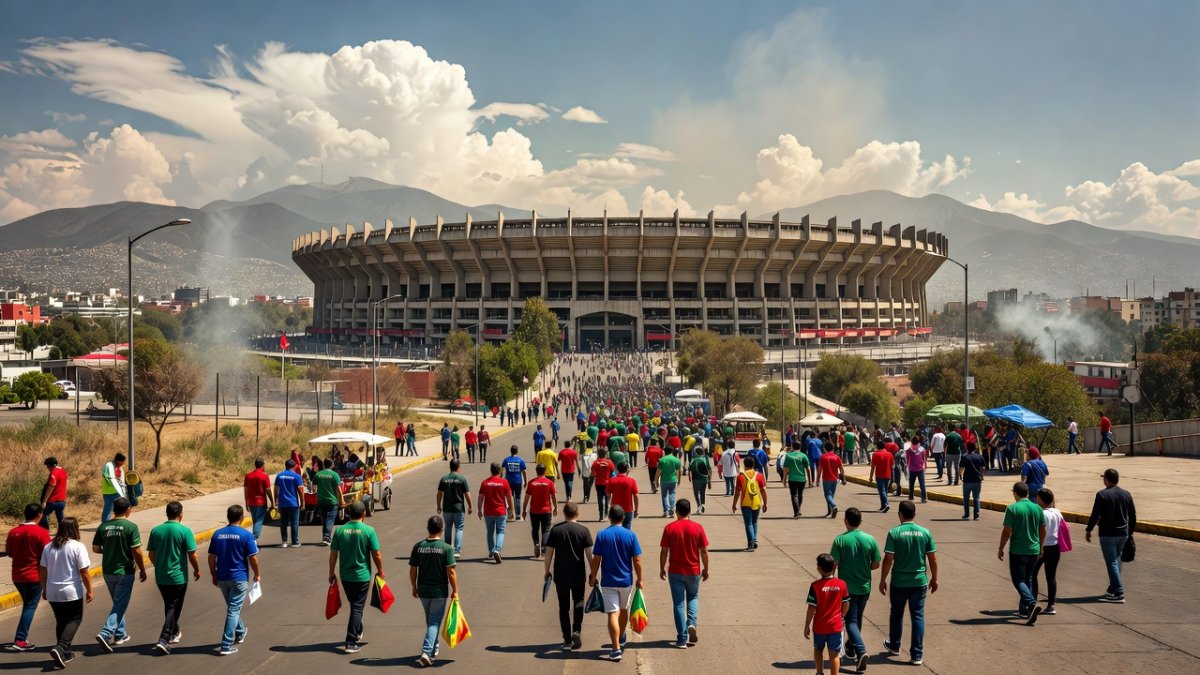
Heat and Altitude Converge as Dual Threats at 2026 World Cup in Mexico
Mexico City, Mexico – June 11, 2026 — As the world’s best footballers prepare to compete in the 2026 FIFA World Cup, Mexican host cities are emerging as the most demanding environments on the schedule. High altitude and extreme heat will combine to test endurance, recovery, and safety in ways never seen at previous tournaments. Local residents already navigate these conditions daily, yet the influx of international teams and fans raises the stakes for everyone involved.
Extreme Heat Projections Across Host Venues
Twenty-six of the 104 matches are projected to exceed 26°C WBGT, with up to 25 percent potentially surpassing FIFPRO heat safety limits. Thirty-nine matches have already been flagged at high risk and dozens more at moderate risk, nearly doubling the heat danger compared with the 1994 United States World Cup. High-risk venues include Atlanta, Dallas, Houston, Kansas City, and Miami in the United States, alongside Monterrey in Mexico, where Texas and northern Mexican heat-index projections regularly exceed 49°C. Afternoon games have already recorded temperatures above 40°C accompanied by high humidity, conditions that push core body temperatures dangerously high. Imperial College London research directly links ongoing climate change to these elevated unsafe-heat risks, showing that repeat host cities now experience three times as many extremely hot June and July days as they did three decades ago. Ninety percent of all host cities face dangerous heat-stress levels during the tournament window. FIFA has responded with evening kickoffs, mandatory cooling breaks at the 30th and 75th minutes when WBGT thresholds are crossed, and contingency postponements. Yet criticism persists because FIFA has banned reusable water bottles inside stadiums, forcing supporters and players to purchase water at inflated prices. These measures fall short of addressing the full scope of heat exposure that Latin American workers and athletes already manage through long-standing community practices.
Altitude Effects on Players and Supporters
Mexico City’s Estadio Azteca sits at 2,200 to 2,250 meters above sea level, while Guadalajara’s Estadio Akron reaches 1,500 to 1,600 meters. At these elevations, reduced oxygen availability immediately lowers VO2 max, accelerates fatigue, and elevates heart and breathing rates. The ball travels farther and faster through thinner air, altering passing accuracy and shot trajectories that low-altitude teams must master within days. European and North American squads historically struggle most with endurance and recovery, often requiring one to two full weeks of acclimatization before competitive matches. Fans face parallel threats from acute mountain sickness, which produces headache, nausea, dizziness, fatigue, and shortness of breath. Older supporters and those with preexisting heart or lung conditions encounter sharply higher risks. CONAGUA, Mexico’s national weather service, has published targeted educational materials warning foreign delegations about these physiological changes. UNAM researchers have released detailed analyses quantifying how combined heat and altitude degrade athletic output, providing data that Mexican teams now use to prepare domestic training camps. Local players and supporters possess a measurable natural advantage because their bodies have adapted to chronic low-oxygen environments, giving Mexican squads a home-field edge that could reshape group-stage outcomes.
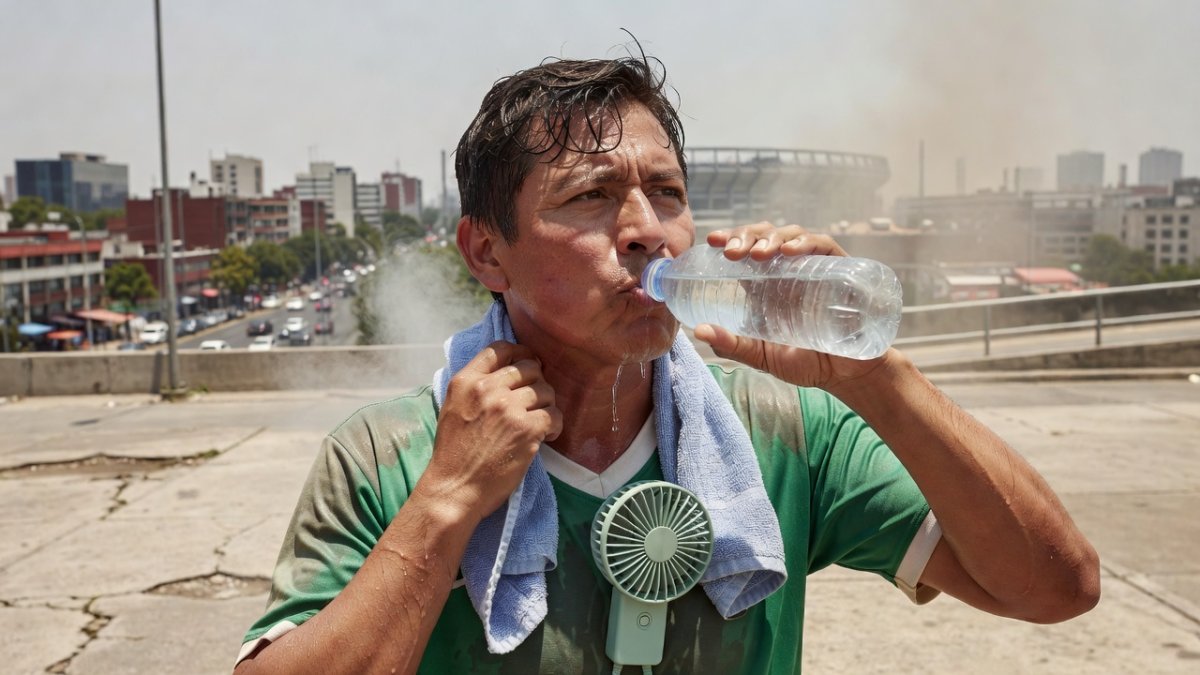
Climate Change Intensifies Combined Stressors
Imperial College London scientists have documented how rising global temperatures have roughly tripled the number of extremely hot June and July days across cities that will again host World Cup matches. This trend directly magnifies the interaction between heat and altitude, because higher ambient temperatures increase respiratory demand while thinner air simultaneously reduces oxygen uptake. In Monterrey and Mexico City, afternoon WBGT values already push players beyond safe thresholds, and climate models indicate further deterioration by 2026. Latin American meteorological agencies, led by CONAGUA, now issue joint heat-altitude alerts that integrate both variables rather than treating them separately. UNAM’s #ViveElFutbolConCienciaUNAM campaign translates these findings into accessible guidance for coaches, medical staff, and fans traveling from lower elevations. The result is a data-driven warning system that acknowledges Mexico’s unique topography while highlighting how global warming has transformed routine summer conditions into acute health hazards. Without aggressive adaptation, the 2026 tournament risks becoming a case study in climate-amplified sports medicine emergencies.
FIFPRO Standards and Team Preparation Protocols
FIFPRO continues to enforce strict heat-safety limits and player-welfare benchmarks that require real-time physiological monitoring, climate-controlled benches, and misting systems. Cooling breaks activate automatically once WBGT crosses established thresholds, and several national federations have already scheduled 1-to-2-week acclimatization camps in comparable environments. England’s squad, for example, trained in Florida at 32°C and 66 percent humidity to simulate expected conditions. Mexican teams benefit from year-round exposure to both heat and altitude, allowing them to maintain higher training loads without the same performance drop-off observed in European squads. FIFA’s mitigation package also includes contingency postponements for extreme forecasts, yet the organization’s prohibition on reusable bottles inside venues has drawn sharp rebuke from player unions and environmental groups. FIFPRO maintains that hydration access must remain unrestricted and affordable, especially in Latin American host cities where local supporters already cope with elevated prices during major events. These protocols represent incremental progress, yet they still require rigorous enforcement across all 16 venues to protect athletes from the compound effects of heat and altitude.
Local Mexican Institutions and Community Responses
CONAGUA and UNAM have taken leading roles in preparing both athletes and the public for the 2026 challenges. CONAGUA’s Servicio Meteorológico Nacional supplies daily forecasts that now incorporate WBGT alongside traditional temperature readings, while UNAM researchers model how altitude modifies heat dissipation rates during prolonged exertion. Teacher protests in Mexico City have highlighted tensions between massive stadium infrastructure spending and chronic underfunding of public education and health services, underscoring that World Cup preparations must also strengthen community resilience. Spanish-language health campaigns routinely reference “golpe de calor” to describe heatstroke risks, ensuring warnings resonate with local populations. Fans traveling from other Latin American countries experience far less altitude shock than European or North American visitors, allowing regional supporters to focus on enjoying matches rather than managing acute mountain sickness. These institutional and cultural assets position Mexico to host safely, provided international delegations adopt the same evidence-based approaches already embedded in Mexican sports science.
Fan Safety and Long-Term Regional Implications
Beyond the pitch, supporters face identical physiological stresses, particularly older adults and individuals with cardiovascular conditions who will travel long distances to attend matches. High-risk venues such as Monterrey and Mexico City require expanded medical stations equipped for both heatstroke and altitude-related emergencies. Latin American fans benefit from partial acclimatization through regional travel patterns, yet even they must monitor hydration and pacing. The tournament’s legacy will depend on whether FIFA and local organizers convert current data into permanent infrastructure improvements, including shaded public transport and affordable water access. By centering CONAGUA forecasts, UNAM research, and FIFPRO standards, Mexico can demonstrate how Latin American expertise in managing extreme environments can guide global sports events facing accelerating climate pressures. The 2026 World Cup therefore offers both a test and an opportunity for the region to lead on athlete and fan protection.
By Elena Vasquez, Staff Writer
This article was produced with AI-assisted research and editorial support. Reporting is based on sources cited in the article.
What's Your Reaction?
 Like
0
Like
0
 Dislike
0
Dislike
0
 Love
0
Love
0
 Funny
0
Funny
0
 Wow
0
Wow
0
 Sad
0
Sad
0
 Angry
0
Angry
0

Latin America Correspondent at Global1.News. Based in Mexico City, covering politics, economics, energy, and culture across the region. Brings an on-the-ground perspective to stories spanning from the Rio Grande to Patagonia.













Comments (0)