
Gulf of Paria widens as Trinidad pours oil on troubled Venezuelan waters
The diplomatic row unfolds Venezuela has formally demanded information and compensation from Trinidad and Tobago over an oil spill reported on May 1. Caracas claims the incident originated in Trinidadian waters and poses risks to shared ecosystems in the Gulf of Paria. Foreign Minister Yván Gil is leading these calls, citing potential damage to two Venezuelan states: Sucre and Delta Amacuro.
The diplomatic row unfolds
Venezuela has formally demanded information and compensation from Trinidad and Tobago over an oil spill reported on May 1. Caracas claims the incident originated in Trinidadian waters and poses risks to shared ecosystems in the Gulf of Paria. Foreign Minister Yván Gil is leading these calls, citing potential damage to two Venezuelan states: Sucre and Delta Amacuro. The matter came to light publicly when Venezuela denounced the spill on May 9, 2026, and fresh developments were noted in an update on July 22, 2026.
Port of Spain has pushed back firmly, describing the event as a minor incident involving roughly 10 barrels that was contained quickly. This exchange highlights ongoing sensitivities around maritime boundaries and shared resources between the two neighbours. Community voices in Trinidad and Tobago often recall how such disputes touch daily lives, from fishing families along the coast to those working in the energy sector.
Environmental stakes in the shared gulf
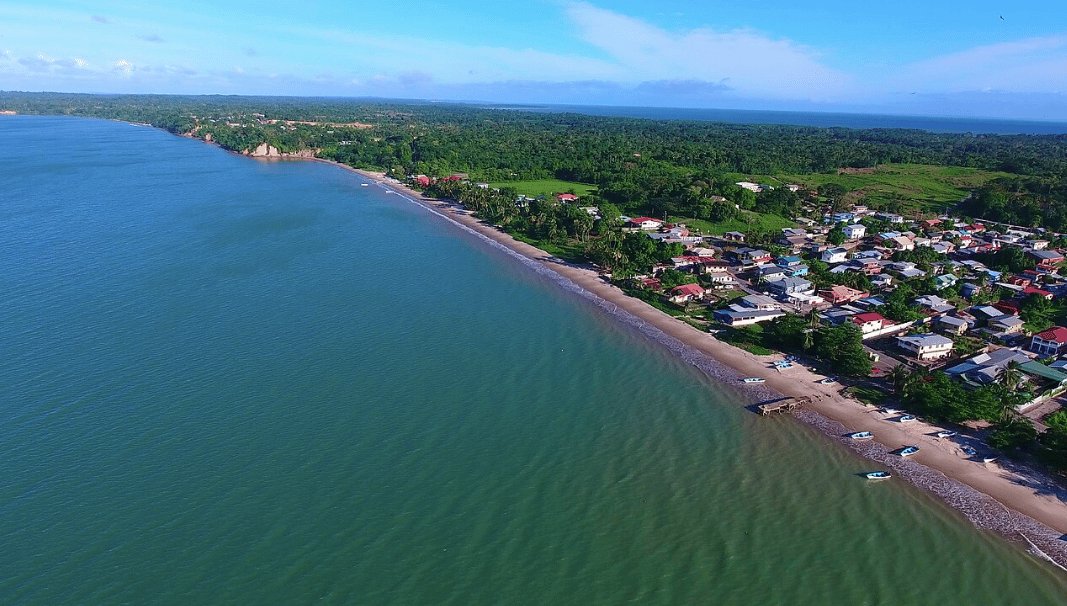
The Gulf of Paria is a brackish body of water bordered by extensive mangroves that support marine life and coastal communities on both sides. Any spill raises concerns about long-term effects on these delicate habitats, especially in a region already facing climate change pressures as small island developing states. Trinidad and Tobago and Venezuela share this space, where oil and gas activities have long played a central role in the economy.
Separate from this latest report, the Nabarima derelict barge has historically posed threats to the same gulf, reminding residents of the need for careful monitoring. Local environmental groups in Trinidad frequently discuss how pollution affects livelihoods tied to the sea, from crab catching to tourism recovery efforts after the pandemic. The stakes feel personal in coastal villages where families have depended on these waters for generations.
The mangroves lining the Gulf of Paria form a vital nursery for fish, crabs and shellfish, with red, black and white varieties creating dense root systems that trap sediment and buffer storm surges. These ecosystems stretch across both Trinidadian and Venezuelan shores, supporting biodiversity that includes migratory birds and endangered species. Local environmental groups note that even small oil intrusions can smother these roots, disrupting the natural filtration that keeps coastal waters healthy for generations of families who rely on them.
Fisherfolk in the Paria River area, Cedros and Icacos have long described how their catches of mullet, snapper and blue crabs sustain household incomes and community markets. A spill reaching these waters threatens to contaminate breeding grounds and force longer journeys out to sea, raising fuel costs at a time when living expenses already weigh heavily on coastal households. Many recall past incidents where tainted catches led to lost market days and worried conversations around kitchen tables about feeding children and paying school fees.
The Nabarima barge saga of 2020-2021 brought similar fears when the derelict Venezuelan vessel, laden with over 1.3 million barrels of crude, drifted perilously close to the shared boundary. Trinidadian communities organised monitoring watches and pressed for joint action, highlighting how one neglected structure could undo years of careful stewardship. Neighbours compared the episode to larger disasters such as the 2010 Deepwater Horizon spill, noting that even contained events leave lasting traces in sediment and fish tissue.
As small island developing states, both nations face rising sea levels and stronger storms that already erode shorelines and salinate freshwater sources. These pressures compound any pollution risk, making swift, transparent responses essential for protecting the gulf that has fed families on both sides for centuries.
Trinidad and Tobago's official position
Officials in Port of Spain maintain that the May 1 incident was limited in scale and swiftly addressed, rejecting suggestions of broader origins or lasting harm. This stance aligns with a pattern of careful management in the energy sector, where companies like those involved in Atlantic LNG operations prioritise containment. The government has not confirmed any formal admission of responsibility or plans for compensation at this stage.
Residents across Trinidad often weigh these official statements against everyday realities, such as rising costs of living and the importance of stable energy exports. The response reflects a broader commitment to defending national interests while navigating complex regional waters. Historical context shows Trinidad and Tobago has worked to balance resource development with environmental safeguards, though challenges persist in a shared maritime zone.
Implications for CARICOM relations
CARICOM provides a framework for regional cooperation on issues like trade, security and environmental protection, yet this spill-related exchange tests those ties. Neighbouring countries such as Jamaica, Barbados and Guyana watch developments closely, aware that maritime disputes can influence collective approaches to energy and climate matters. Trinidad and Tobago's position within the bloc adds weight, given its role in oil and gas discussions.
Community perspectives in the Caribbean often highlight how such incidents affect wider unity, from joint disaster preparedness efforts to tourism promotion across islands. The situation underscores the value of dialogue through established channels, helping to prevent escalation that could impact post-pandemic recovery across the region. Officials continue to emphasise cooperation even amid differing views on boundary and resource questions.
Guyana’s ongoing maritime border dispute with Venezuela over the Essequibo region offers a clear precedent for how CARICOM members navigate overlapping claims while maintaining bloc solidarity. The International Court of Justice case has drawn regional support for Guyana’s position, yet it also underscores the need for careful diplomacy that avoids fracturing trade and security cooperation. Trinidad and Tobago’s own gulf matter now tests whether similar restraint can prevail closer to home.
Barbados has navigated its own maritime boundary negotiations with both Trinidad and Venezuela, achieving agreements that balanced fishing access and hydrocarbon exploration through patient dialogue. Those experiences demonstrate that CARICOM states can reach equitable outcomes when technical data and mutual respect guide talks. Neighbouring islands watch the current exchange, aware that any precedent could shape future claims in the Caribbean Sea.
The Caribbean Community’s mediation role has historically helped contain disputes before they disrupt tourism, fisheries or energy projects across the region. By facilitating information-sharing and confidence-building measures, the organisation can help prevent the spill claim from spilling over into wider political friction. Joint disaster-preparedness programmes already in place offer a ready framework for cooperation on environmental monitoring.
Regional energy security hinges on stable relations among CARICOM producers and their neighbours, especially as the bloc seeks to diversify supplies and attract investment. A constructive resolution here would reinforce collective bargaining power in global markets while reassuring communities that shared waters remain a source of livelihood rather than division.
Wider context of T&T-Venezuela relations
Relations between Trinidad and Tobago and Venezuela have long involved tensions over maritime boundaries and resource sharing in the Gulf of Paria. Energy interests, including potential exploration and existing infrastructure, sit at the heart of these dynamics, influencing everything from local employment to national revenues. The current spill claim adds another layer to this history without resolving underlying questions.
Many Trinidadians with family ties across the region understand how these matters connect to diaspora communities in places like the United States, Canada and the United Kingdom. Broader Caribbean concerns, such as inflation and public safety, intersect with energy stability here. The Nabarima issue serves as a reminder of past environmental worries, yet the two nations have maintained diplomatic engagement on practical fronts despite periodic strains.
The Dragon Gas field dispute centres on Venezuela’s maritime boundary claims that overlap with Trinidad and Tobago’s development plans for the Dragon Field, delaying joint exploration and revenue-sharing talks. Energy officials in Port of Spain have watched investment timelines slip while Caracas asserts rights under older treaties, leaving local workers uncertain about future jobs in the gas sector. Families with ties to both countries often discuss how these standoffs affect remittances and cross-border trade that once flowed more freely.
Under UNCLOS, the two neighbours have conducted several rounds of maritime boundary negotiations since the 1990s, seeking to clarify exclusive economic zones in the Gulf of Paria. Progress has been slow, with each side guarding fishing rights and hydrocarbon reserves that underpin national budgets. Community elders remember earlier agreements that allowed limited cooperation, yet recent claims have revived old sensitivities around sovereignty and shared resources.
Petrotrin once maintained technical exchanges with Venezuelan counterparts on refining and exploration, fostering a measure of trust before the state-owned company’s restructuring. Those links helped stabilise fuel supplies during lean periods, but US sanctions on Venezuelan energy exports have since curtailed such collaboration, forcing Trinidad and Tobago to seek alternative partners. The sanctions have also reduced the flow of Venezuelan crude that once supported regional processing, tightening margins for local operators and raising questions about long-term energy security.
Despite these strains, practical diplomacy continues on issues such as search-and-rescue coordination and cultural exchanges, reflecting the deep family and historical connections that bind the two peoples across the narrow stretch of water.
What happens next in the dispute
Further exchanges of information between the governments are anticipated as Venezuela seeks details and Trinidad and Tobago upholds its account of a contained event. Regional bodies like CARICOM may offer avenues for discussion, though no specific timelines for resolution have been set. Cautious steps appear likely, given the need to avoid inflaming existing sensitivities around shared waters.
Local communities in Trinidad and Tobago continue to monitor updates, recognising how outcomes could influence fishing rights, energy projects and environmental protection in the gulf. Practical implications include potential reviews of spill response protocols and ongoing talks on boundary matters. The focus remains on measured progress that respects both nations' interests while addressing genuine ecological concerns in this vital shared space.
Trinidad and Tobago and Venezuela could yet refer boundary or compensation questions to the International Court of Justice or pursue arbitration under UNCLOS provisions, though both governments appear reluctant to escalate costs and publicity. Regional observers suggest quiet bilateral talks remain the preferred route, allowing technical experts to review spill data without inflaming public sentiment. Such measured steps would align with the cautious approach that has characterised past maritime discussions.
CARICOM could offer informal mediation through its established mechanisms for environmental and trade disputes, drawing on precedents where the bloc helped de-escalate tensions between member states. A special meeting of foreign ministers might provide a neutral forum for sharing monitoring reports and agreeing joint response protocols. Community leaders in Trinidad hope any such process would include voices from fishing villages, ensuring local concerns shape outcomes.
Resolution of the current claim will directly influence the Dragon Gas development timeline, as investors seek clarity on boundary stability before committing further capital. Delays risk pushing first gas production beyond current targets, affecting revenue forecasts that underpin national budgets and employment in the energy corridor. Officials continue to stress that environmental safeguards must accompany any acceleration of projects.
The matter is likely to feature on the agenda of the upcoming CARICOM Heads of Government meeting, where energy security and climate resilience will dominate discussions. Practical effects in Trinidad include possible reviews of spill-response stockpiles and renewed emphasis on joint monitoring stations along the gulf, measures that coastal families view as essential for protecting both livelihoods and the shared marine heritage.
By Sharon Sahatoo, Staff WriterThis article was produced with AI-assisted research and editorial support. Reporting is based on sources cited in the article.
What's Your Reaction?
 Like
0
Like
0
 Dislike
0
Dislike
0
 Love
0
Love
0
 Funny
0
Funny
0
 Wow
0
Wow
0
 Sad
0
Sad
0
 Angry
0
Angry
0

Caribbean Correspondent at Global1.News. Based in Port of Spain, Trinidad, covering Caribbean politics, economy, energy, climate, and culture. Amplifying the voices and stories of the Caribbean region.










Comments (0)