
Ghana's Chairman Wontumi Sentenced to 20 Years Over Galamsey
From my desk in Dakar, the conviction of a senior Ghanaian politician for illegal mining offences lands with particular weight. West Africa has watched for years as gold rushes scar rivers and forests from the Sahel to the coast, often shielded by powerful interests. Today’s ruling in Accra suggests...
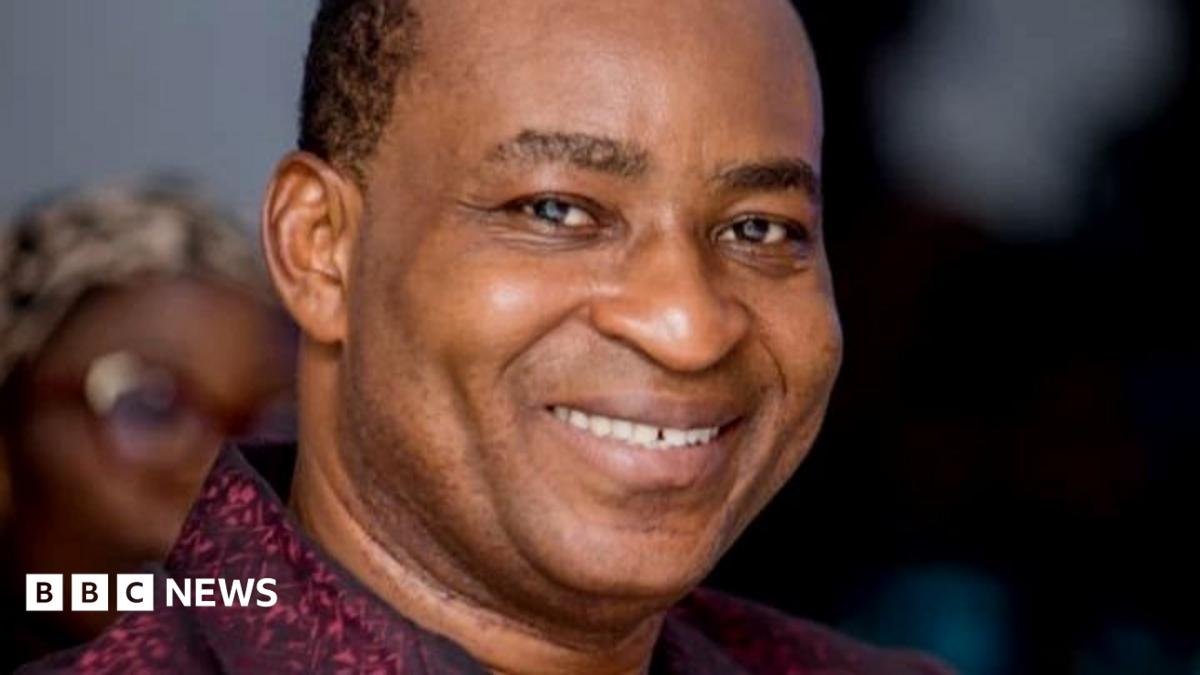
From my desk in Dakar, the conviction of a senior Ghanaian politician for illegal mining offences lands with particular weight. West Africa has watched for years as gold rushes scar rivers and forests from the Sahel to the coast, often shielded by powerful interests. Today’s ruling in Accra suggests that impunity may finally be cracking.
Ghana's Chairman Wontumi Sentenced to 20 Years Over Galamsey
Dakar, Senegal — Article continues...
The Conviction
Bernard Antwi Boasiako, popularly known as Chairman Wontumi, stood visibly shocked in an Accra courtroom on Monday as the judge delivered a 20-year sentence with hard labour. The NPP Ashanti Region chairman was also ordered to pay more than $10,000 in fines after being found guilty of assigning mineral rights without approval and facilitating an unlicensed mining operation through his company, Akonta Mining. Prosecutors established that he had allowed two individuals to conduct mining activities on the concession without the required ministerial consent.
The ruling marks the first time a senior politician has been convicted of illegal mining offences since Ghana launched its crackdown in 2017. Until now, enforcement had largely targeted small-scale operators while those financing and licensing the operations remained untouched. The courtroom reaction underscored the gravity: a man accustomed to political influence suddenly confronted with the full weight of the law.
Who Wontumi Is
Chairman Wontumi has long been one of the New Patriotic Party’s most influential regional figures. As Ashanti Region chairman, he controlled party machinery in Ghana’s electoral heartland, shaping candidate selection, fundraising, and mobilisation ahead of national polls. His Kumasi base gave him outsized leverage within the NPP, making him a kingmaker rather than a peripheral player.
His conviction therefore carries consequences far beyond one individual. Senior politicians linked to galamsey had previously appeared untouchable, their connections shielding them from serious scrutiny. Losing such a key organiser just two years before the 2028 elections strips the NPP of both a powerful operator and a symbol of regional strength.
The Ashanti Region remains the NPP’s electoral fortress, delivering decisive margins in every competitive national vote since 1992. Wontumi consolidated power by fusing mining revenues with delegate patronage, rewarding loyalists and marginalising rivals within the regional executive. His networks extended into transport unions and market associations, turning the party structure into a personal fiefdom that national leaders dared not challenge.
Previous attempts to investigate high-ranking figures foundered on exactly this fusion of wealth and political protection. Ministers and MPs from both major parties quietly divested or re-registered concessions through proxies, preserving the appearance of clean hands while operations continued. Wontumi’s fall therefore exposes how fragile that arrangement always was once prosecutors chose to follow the licence trail rather than stop at the pit.
Ghana's Galamsey Crisis
Ghana remains Africa’s leading gold producer, yet the environmental cost has been devastating. Rivers such as the Pra, Ankobra and Birim carry mercury and cyanide contamination that poisons drinking water and destroys aquatic life. Satellite data show more than 20,000 hectares of forest lost between 2017 and 2023, while farmlands once used for cocoa now lie scarred by open pits.
Successive governments deployed soldiers and launched operations, yet the practice persisted because the real profits flowed upward to financiers and licence holders. Communities downstream now face ruined livelihoods and long-term health risks. The crisis is no longer simply environmental; it threatens the very foundation of rural economies across southern Ghana.
The Pra River, once a reliable source for thousands of households in the Western Region, now runs turbid with sediment and chemical residues. Fishermen report catches reduced by more than half, while women who once panned for gold on its banks describe skin lesions and miscarriages they attribute to prolonged exposure. Similar stories emerge along the Ankobra, where entire villages have lost both their water supply and the small plots that supplemented cocoa incomes.
Cocoa, Ghana’s second-largest export earner, has suffered directly. Concessions carved from forest reserves have reduced shade cover and soil stability, contributing to a measurable drop in yields in districts such as Amenfi Central and Bibiani-Anhwiaso-Bekwai. Military operations such as Vanguard and Halt repeatedly cleared sites only for excavators to return within weeks, often under new names or with tacit local protection. Residents speak of soldiers accepting payments to look the other way, confirming that enforcement without political will simply displaces rather than deters the activity.
Regional West Africa Context
In Senegal’s Kédougou region, the same pattern unfolds daily. Artisanal miners from Mali and Guinea work unregulated sites that pollute the Gambia River basin, while state oversight remains thin. Further north, Mali’s Kangaba gold rush generates revenues that sustain armed groups, and Burkina Faso’s artisanal sites operate largely beyond government reach. The movement of people, equipment and money across borders has turned galamsey into a regional challenge rather than a national one.
Ghana’s decision to convict a senior political figure therefore carries precedent-setting potential. If accountability can reach those who profit most in Accra, similar pressure may build in Kédougou, Bamako and Ouagadougou. The ruling signals that political protection is no longer absolute across West Africa’s gold-bearing zones.
Kédougou’s artisanal sites mirror Ghana’s experience almost exactly. Chinese and Lebanese traders supply pumps and mercury, while Senegalese intermediaries secure informal protection from local officials. The Gambia River now carries elevated mercury levels that threaten both fishing communities and downstream rice irrigation schemes in the Gambia itself. Dakar has launched periodic crackdowns, yet the economic pull of gold continues to outpace enforcement capacity.
Further east, the Mali-Burkina Faso corridor demonstrates how quickly mining revenues can be captured by non-state actors. Jihadist groups operating around Kangaba and in Burkina’s northern goldfields levy taxes on diggers and traders, converting environmental destruction into sustained conflict financing. Because equipment and labour move freely across porous borders, Ghana’s new precedent will matter only if neighbouring states coordinate prosecutions rather than merely displacing operators from one jurisdiction to another.
Reaction Split
The NPP reacted swiftly and sharply. General secretary Justin Kodua Frimpong told reporters the judgement was politically motivated and claimed the judge had ignored clear exculpatory evidence. Party lawyers have already begun preparing an appeal, framing the case as selective enforcement rather than genuine environmental justice.
Environmental campaigners offered a sharply different view. Adib Saani of the Jatikay Centre described the conviction as a necessary deterrent, arguing that accountability is indispensable if Ghana is to protect its forests and rivers. The case now sits at the tense intersection of partisan politics and long-overdue environmental reckoning.
Within the NPP, the calculus is delicate. Publicly defending Wontumi risks associating the party with environmental destruction ahead of 2028, yet abandoning him could fracture the Ashanti base that remains essential for any national comeback. Internal memos already circulate urging members to focus on the appeal process rather than the substance of the verdict.
Campaigners, meanwhile, see an opening. Groups such as Wacam and the Ghana Youth Environmental Movement have released joint statements demanding parallel investigations into other licence holders. They argue that selective prosecution will only breed cynicism unless the net widens to include financiers from both major parties who have operated with similar impunity for years.
What Happens Next
The NPP appeal is already in motion, with lawyers arguing that the trial judge overlooked key evidence and misapplied mining statutes. Higher courts will now decide whether the conviction stands or is overturned, a process that could stretch into the campaign season for 2028.
More broadly, the ruling opens the door for additional prosecutions of political figures who have financed galamsey operations. The real test will be whether Ghana’s institutions pursue those cases with equal vigour or whether this remains an isolated example. From Dakar, many of us will be watching to see if the precedent holds.
Appeal grounds centre on whether ministerial consent was formally required for the specific sub-licensing arrangement and whether the prosecution proved Wontumi’s direct knowledge of unlicensed activity. Legal observers expect the case to reach the Court of Appeal within six months, with a possible Supreme Court hearing stretching into 2027.
The 2028 electoral timetable adds urgency. Should the conviction survive, the NPP loses its most effective Ashanti mobiliser at precisely the moment opposition parties are regrouping. Conversely, a successful appeal could embolden other regional barons to test the limits of enforcement once more. Neighbouring capitals will monitor both outcomes closely, knowing that sustained regional progress against galamsey hinges on whether Ghana’s example proves durable or merely symbolic.
By Amara Diop, Staff Writer
This article was produced with AI-assisted research and editorial support. Reporting is based on sources cited in the article.
What's Your Reaction?
 Like
0
Like
0
 Dislike
0
Dislike
0
 Love
0
Love
0
 Funny
0
Funny
0
 Wow
0
Wow
0
 Sad
0
Sad
0
 Angry
0
Angry
0

West Africa/Sahel Correspondent at Global1.News. Dakar-based journalist covering politics, security, climate, and development across Francophone and Anglophone West Africa. Tells the stories of a region undergoing profound transformation.










Comments (0)