
US Crime Warnings Tighten for Trinidad, Jamaica, Saint Lucia
The United States has tightened its travel advisories for Trinidad and Tobago, Jamaica and Saint Lucia, moving the twin islands to Level 3: Reconsider Travel amid ongoing concerns over violent crime. This shift, effective from April 2026, is affecting family plans, tourism bookings and regional ties as households prepare for summer visits and cultural events. Caribbean communities are weighing safety against longstanding family bonds across oceans.
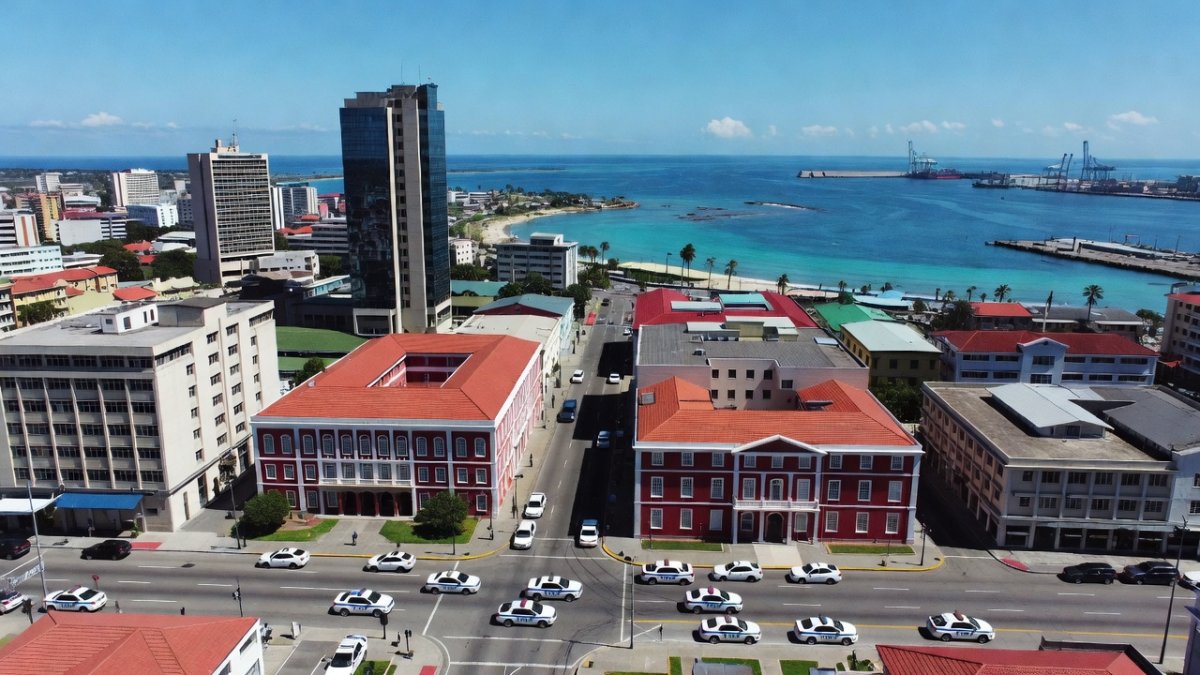
The United States has tightened its travel advisories for Trinidad and Tobago, Jamaica and Saint Lucia, moving the twin islands to Level 3: Reconsider Travel amid ongoing concerns over violent crime. This shift, effective from April 2026, is affecting family plans, tourism bookings and regional ties as households prepare for summer visits and cultural events. Caribbean communities are weighing safety against longstanding family bonds across oceans.
US Crime Warnings Tighten for Trinidad, Jamaica, Saint Lucia
Port of Spain, Trinidad — Article continues...
The Updated US Advisories
The United States State Department has revised its travel guidance for several Caribbean nations in 2026, placing fresh emphasis on violent crime risks. Trinidad and Tobago moved to Level 3: Reconsider Travel in April 2026, while Jamaica and Saint Lucia also saw their advisories tightened. These updates come as visitors and returning nationals weigh safety concerns against long-planned family visits and business travel.
Trinidad and Tobago's Ongoing Challenges
Trinidad and Tobago has remained under a state of emergency since early March 2026, triggered by a sharp rise in gang-related violence. The country has operated under various states of emergency since December 2024, granting authorities expanded powers of arrest and detention. Official figures record 623 homicides for 2024, a number that continues to weigh heavily on communities from Laventille to San Fernando. The new US advisory specifically flags rising violent crime and notes additional restrictions that may affect how visitors move around the twin islands.
Over the past five years, crime trends in Trinidad have shown a steady climb, with murders jumping from around 400 in 2019 to over 600 by 2023, driven by gang warfare and drug routes that have plagued the shores since the oil boom days. The current state of emergency grants sweeping arrest powers and allows detention without charge for up to 48 hours, a measure the government says is necessary to restore order in hotspots like Laventille, Beetham, Sea Lots, Morvant and Barataria. The Trinidad and Tobago Police Service, under Commissioner of Police Erla Harewood-Christopher, has been at the forefront, conducting raids and community patrols, yet critics argue the TTPS needs more resources to tackle root causes like poverty and unemployment.
Since the SoE began, official statistics reveal a modest 12 percent drop in serious crimes in the first three months, though homicides in the affected areas remain stubbornly high. The current administration has responded with increased funding for the TTPS and social programmes aimed at youth in these communities, but many residents feel the approach is too heavy-handed. Reports from the affected neighbourhoods highlight the fear among residents and the need for a balanced strategy combining security measures with opportunities for change.
Jamaica and Saint Lucia Also Affected
Jamaica received parallel updates highlighting similar crime patterns in urban centres and tourist corridors. Saint Lucia's advisory was likewise strengthened, reflecting concerns over opportunistic theft and occasional flare-ups of violence. For regional travellers, these changes mean extra layers of planning when booking flights or cruises that stop at multiple ports. Tourism boards across the three nations now face the task of reassuring markets while the advisories remain in place.
The State of Emergency: Powers and Controversies
The current state of emergency has sparked lively debate in living rooms and rum shops alike. Supporters point to the need for decisive action against gangs that disrupt daily life and drive up the cost of living through extortion and lost business. Critics, however, express concern that sweeping arrest powers could erode civil liberties if left unchecked for too long. Labour Day on 19 June 2026 was marked under these restrictions, with marches and speeches proceeding but under heightened security arrangements that many citizens found unfamiliar.
The legal framework for the SoE rests on the Constitution, which permits such declarations during periods of public emergency, giving authorities broad powers to detain suspects and restrict movement without immediate judicial oversight. Civil society groups, including Amnesty International and local human rights organisations, have raised alarms about potential abuses, while the Law Association of TT has called for greater transparency and independent monitoring to protect citizens' rights. The political divide is sharp, with the government defending the measures as essential for public safety and the opposition labelling them as an overreach that echoes past failures.
Comparisons with previous states of emergency, such as the 1990 coup attempt response and the 2011 SoE, highlight recurring tensions between security and civil liberties in the nation's history. Community reactions vary widely, from support in crime-weary areas to protests in others, and the Labour Day 2026 observations brought fresh scrutiny as unions and activists marched against what they see as oppressive tactics. Analysts suggest that the state of emergency requires careful handling with accountability to succeed where earlier efforts fell short.
Tourism Under Pressure in the Twin Islands
Tourism remains a vital earner for both Trinidad and Tobago, even if the sector plays a larger role in Tobago's economy. Hotels, taxi operators and small food vendors all feel the ripple effects when potential visitors from the United States, Canada and the United Kingdom pause their bookings. The twin-island reality means that safety perceptions formed in Port of Spain can quickly influence arrivals in Crown Point. Industry voices are calling for clearer communication from the Ministry of Tourism and the Tobago House of Assembly to keep the sector steady during this period.
Tourism arrivals to Trinidad and Tobago have yet to fully recover to pre-COVID levels of over 500,000 visitors annually, with current figures hovering around 350,000 amid heightened crime perceptions that deter potential travellers. Tobago feels this pressure most acutely, as tourism accounts for nearly 30 percent of its economy, leaving small businesses like guest houses, tour operators, taxi drivers and restaurants struggling to stay afloat. The Tobago House of Assembly has launched marketing campaigns to reassure visitors, but the challenge is compounded by post-pandemic recovery issues such as rising costs and staff shortages.
Other Caribbean islands like Barbados and Bahamas have managed similar advisories through targeted safety zones and community policing, offering lessons for the twin islands. The perception of danger often outweighs actual statistics for tourists, and without swift action, the risk of losing ground in a competitive regional market remains. Observers note that prolonged negative headlines risk setting back years of progress in the sector.
Impact on Diaspora Communities
Caribbean families living abroad watch these advisories closely because they shape decisions about summer visits, weddings and funerals. Many households in Brooklyn, Toronto and London count on regular travel to maintain ties, yet the Level 3 designation prompts extra insurance checks and conversations with relatives about safe movement. Remittances and cultural exchanges continue, but the added caution can stretch already tight household budgets when flights must be rebooked or shortened.
Diaspora communities in Brooklyn, South Florida, Toronto and London are feeling the strain, with many families forced to cancel or modify travel plans due to safety advisories that make visiting relatives more complicated and costly. Remittances, which form a vital lifeline for households back home, have dipped slightly as travel becomes less frequent and more uncertain. Stories abound of parents missing graduations or grandparents unable to attend weddings, adding an emotional toll that stretches across oceans and generations.
Organisations representing these communities have organised petitions and support networks to advocate for better consular assistance and clearer travel guidance. The separation weighs heavy on everyone involved, turning what should be joyful reunions into sources of anxiety. As the saying goes in Trinidad, family is everything, and these advisories test that bond in ways that demand compassionate solutions from both local and foreign authorities.
Looking Ahead with Measured Steps
Regional cooperation through CARICOM offers one avenue for sharing best practices on crime reduction and tourism recovery. At home, residents continue to balance the immediate need for public safety with longer-term questions about community policing and youth programmes. While the advisories are being phased in and monitored, the focus for many remains on strengthening local resilience so that both citizens and visitors can move with greater confidence in the months ahead.
Crime, tourism, diaspora ties and regional cooperation are deeply intertwined here. When advisories rise, they do not just affect hotel bookings; they touch remittances that support entire households and strain the cultural exchanges that keep scattered families whole. CARICOM nations could strengthen joint tourism safety protocols and share intelligence on cross-border crime, turning shared challenges into collective resilience rather than isolated struggles.
Communities have weathered storms before, and with honest dialogue between government, police and the people, confidence can be rebuilt step by step. The path forward calls for both firm defence against violence and genuine investment in youth, so that visitors and returning sons and daughters alike feel the warmth of home without fear.
By Sharon Sahatoo, Staff WriterThis article was produced with AI-assisted research and editorial support. Reporting is based on sources cited in the article.
What's Your Reaction?
 Like
0
Like
0
 Dislike
0
Dislike
0
 Love
0
Love
0
 Funny
0
Funny
0
 Wow
0
Wow
0
 Sad
0
Sad
0
 Angry
0
Angry
0

Caribbean Correspondent at Global1.News. Based in Port of Spain, Trinidad, covering Caribbean politics, economy, energy, climate, and culture. Amplifying the voices and stories of the Caribbean region.










Comments (0)