
The Yazidi Doctor Healing Survivors of Islamic State Capt...
The Enduring Legacy of August 2014 in Sinjar Seven years after Islamic State militants launched their campaign in northern Iraq, the town of Sinjar remains marked by absence and loss. On 3 August 2014, families in the region faced sudden raids that separated thousands from their homes. The Kurdistan Regional Government has reported that more than 100,000 Yazidis fled during thi
The Enduring Legacy of August 2014 in Sinjar
Seven years after Islamic State militants launched their campaign in northern Iraq, the town of Sinjar remains marked by absence and loss. On 3 August 2014, families in the region faced sudden raids that separated thousands from their homes. The Kurdistan Regional Government has reported that more than 100,000 Yazidis fled during this period, while over 2,700 women and children are still listed as missing.
These figures reflect a prolonged displacement that continues to shape daily life for Yazidi communities. Many families now reside in camps for internally displaced people, where basic services remain limited years later. The events of that summer disrupted education, family structures, and community ties in ways that extend across generations.
One Woman's Account of Captivity and Resistance
Shireen was preparing for a high school examination in her Sinjar home when militants entered and took her from her family at age 19. She was sold into captivity in Tal Afar and later transferred to Mosul, where she became the third wife of an Islamic State fighter named Abu Omar. His existing wives reportedly subjected her to beatings during family gatherings.
Shireen has described how her captor claimed affection while engaging in repeated violations, an experience she said destroyed aspects of her life. Islamic State fighters also pressured her to abandon Yazidi beliefs centered on Yasdan and the Peacock Angel, labeling the faith as devil worship and demanding conversion. Her testimony stands among thousands shared by Yazidi women who endured similar conditions.
Dr. Nagham Nawzat's Clinic as a Site of Care
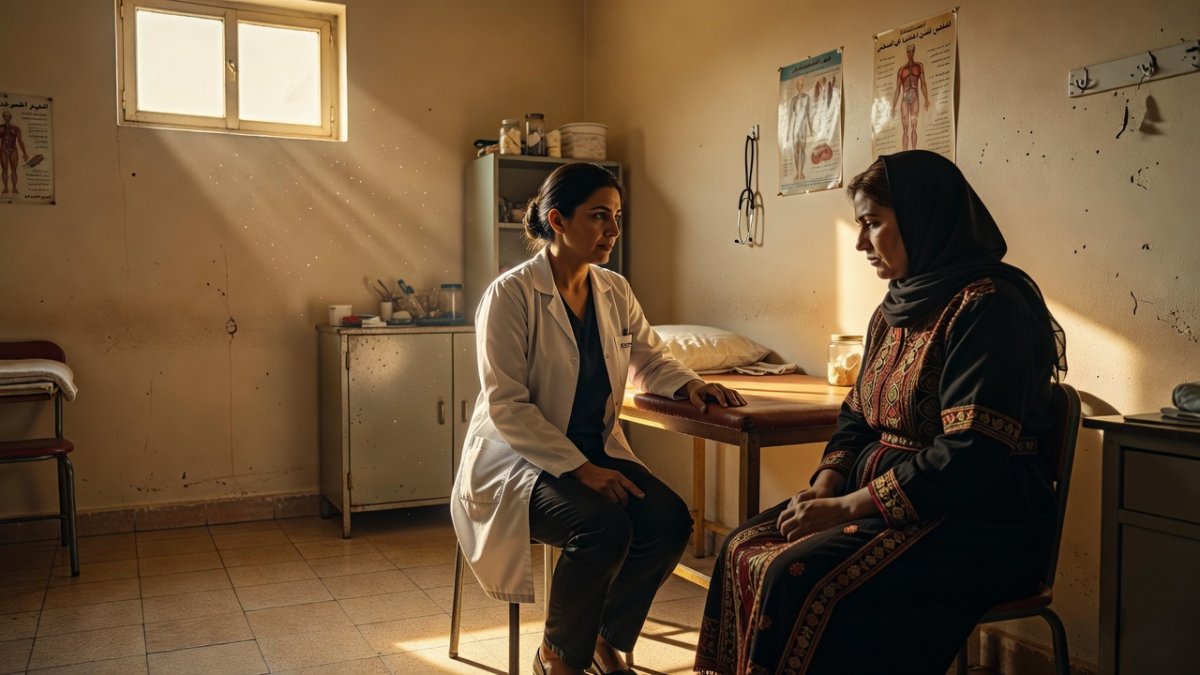
In Duhok, Dr. Nagham Nawzat, a Yazidi gynaecologist at Duhok Hospital, has focused her practice on survivors of Islamic State captivity. Since 2014 she has provided physical and mental health support to more than 1,000 Yazidi women. Her approach combines medical treatment with psychological assistance, emphasizing that patients require both forms of care without judgment.
Dr. Nawzat has stated that the experiences these women endured are unimaginable and that her role involves demonstrating that someone cares. She treats individuals such as Shireen at the hospital, offering check-ups and counselling that address immediate health needs while acknowledging longer-term effects of trauma. Her work operates within the constraints of available resources in the region.
Navigating Community Stigma and Personal Risks
Dr. Nawzat encounters threats to her safety amid a conservative social environment where stigma surrounds women who experienced sexual assault. Many survivors hesitate to seek help due to fears of family rejection or public shaming, leading some to remain silent even after returning from captivity.
The doctor has noted that it requires significant courage for women to visit the clinic. She reassures patients that they carry no shame and frames them as survivors rather than victims. This stance challenges prevailing attitudes that isolate women and discourages open discussion of their experiences within families and communities.
Reaching Families in Displacement Camps
Beyond hospital walls, Dr. Nawzat travels to camps housing Yazidi families who fled their homes. These visits deliver medical check-ups and counselling directly to residents living in tents years after the initial displacement. She uses these opportunities to advocate for the rights of survivors and to connect isolated individuals with support services.
Such outreach highlights the gap between official recognition of the crisis and the daily realities faced by those still awaiting the return of missing relatives. International organizations have acknowledged her contributions, yet Dr. Nawzat maintains that additional efforts are required from the Iraqi government and global actors to locate the missing and hold perpetrators accountable.
Demands for Accountability and Restored Dignity
Dr. Nawzat has called for concrete measures to bring missing women and children home while ensuring sustained support for those who have returned. She continues her work as long as survivors require assistance, underscoring that these women deserve opportunities to rebuild lives with dignity.
Her persistence reflects a commitment to documenting injustices and amplifying voices that might otherwise remain unheard. The combination of medical care, advocacy, and community engagement forms a practical response to the human consequences of conflict that persist in northern Iraq.
By Fatima Al-Rashid, Staff WriterThis article was produced with AI-assisted research and editorial support. Reporting is based on sources cited in the article.
What's Your Reaction?
 Like
0
Like
0
 Dislike
0
Dislike
0
 Love
0
Love
0
 Funny
0
Funny
0
 Wow
0
Wow
0
 Sad
0
Sad
0
 Angry
0
Angry
0

Middle East Correspondent at Global1.News. Based in Beirut, covering politics, conflict, energy, and society across the Middle East. Brings context and depth to a region often reduced to headlines.












Comments (0)