
IDF Soldier Severely Injured by Explosive Hezbollah Drone in Southern Lebanon
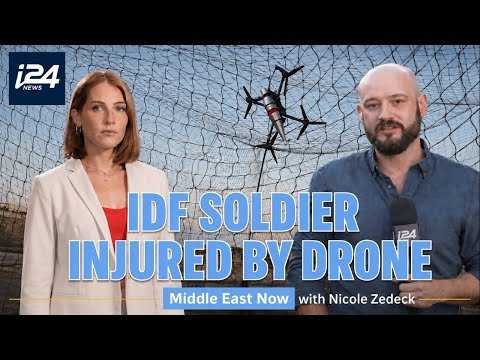
In a recent i24NEWS English report filed by correspondent Robert Swift from northern Israel, an IDF soldier sustained severe injuries after an explosive-laden Hezbollah FPV drone struck his position in southern Lebanon on June 11, 2026. The attack, which occurred in the Wadi Saluki area, highlights the persistent and evolving threat posed by Hezbollah's drone capabilities as th
In a recent i24NEWS English report filed by correspondent Robert Swift from northern Israel, an IDF soldier sustained severe injuries after an explosive-laden Hezbollah FPV drone struck his position in southern Lebanon on June 11, 2026. The attack, which occurred in the Wadi Saluki area, highlights the persistent and evolving threat posed by Hezbollah's drone capabilities as the IDF pushes deeper into Lebanese territory. The soldier was evacuated under fire to a medical facility inside Israel, where medical teams confirmed his condition as severe. This incident follows the June 1 strike in the same region that killed Cpt. Dr. Ori Yosef Silvester and wounded seven other soldiers, underscoring the ongoing danger that IDF ground forces face as they advance through southern Lebanon in an operation that military officials have described as essential to restoring security to Israel's northern border.
Details of the June 11 Drone Strike in Wadi Saluki
The June 11 attack unfolded when an FPV drone operated by Hezbollah militants approached an IDF outpost in the rugged terrain of Wadi Saluki. The device carried a significant explosive payload that detonated upon impact, causing extensive damage to the position and inflicting critical wounds on the soldier. Robert Swift's i24NEWS English video captured the immediate aftermath, showing the chaos as troops responded to the strike amid ongoing threats from additional drones in the area.
Evacuation efforts proceeded under intense fire as medical teams rushed to stabilize the injured soldier before transporting him across the border. The process involved coordination between ground units and air support to avoid further Hezbollah ambushes in the dense undergrowth of southern Lebanon. This rapid response prevented additional casualties despite the difficult conditions that characterize operations in this sector.
Medical facilities inside Israel received the soldier and initiated treatment protocols for severe trauma injuries sustained in the blast. Doctors noted that the soldier's condition remained critical but stable following initial surgeries performed this week. The incident has prompted renewed reviews of drone detection protocols across forward positions.
This latest strike builds directly on the June 1 attack in the identical region that claimed the life of Cpt. Dr. Ori Yosef Silvester. Seven additional soldiers suffered wounds in that earlier incident, which also involved Hezbollah drone activity. Together these events illustrate the sustained pressure on IDF forces operating near the border.
IDF Ground Operations Deepen in Southern Lebanon
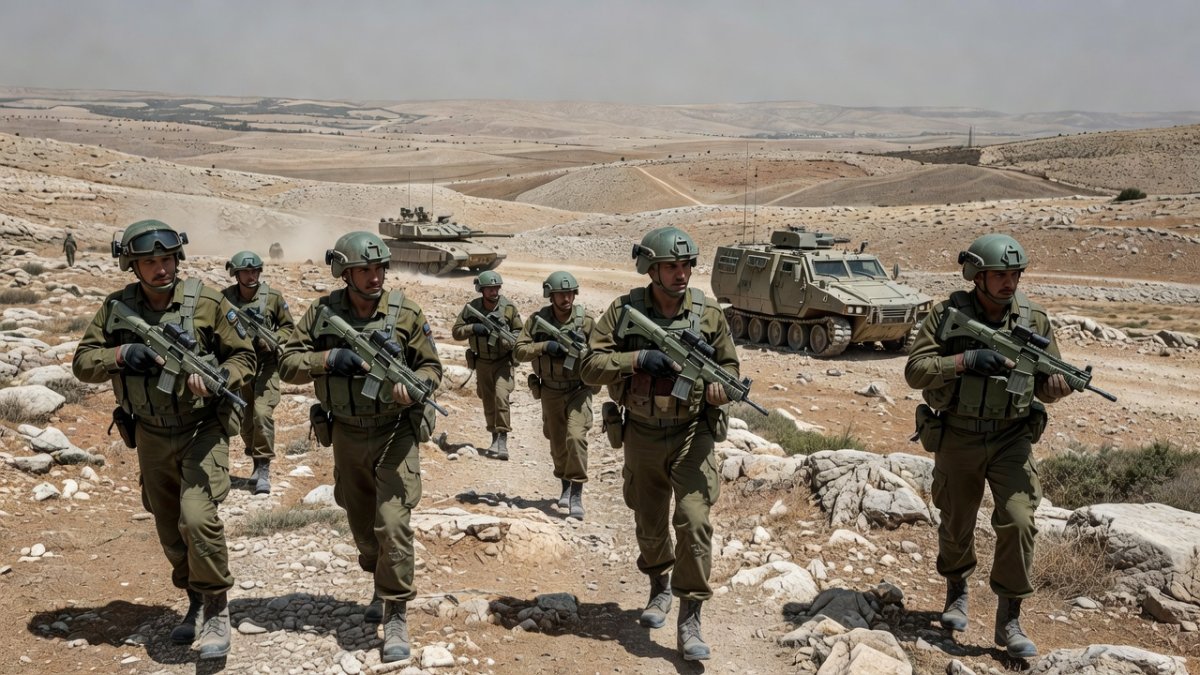
The Golani Brigade has taken a leading role in clearing operations throughout the Wadi Saluki corridor this month. Soldiers have systematically dismantled Hezbollah tunnel networks that extend from Lebanese villages toward the Israeli frontier. These efforts aim to eliminate hidden launch sites used for drone and rocket attacks.
Observation posts established by the IDF now provide continuous surveillance over key valleys and ridgelines in southern Lebanon. Troops rotate through these positions while maintaining vigilance against Hezbollah infiltration attempts. The posts form part of a broader strategy to create a secure buffer zone that protects northern Israeli communities.
Statements from the IDF Spokesperson's Unit emphasize that operations remain focused on degrading Hezbollah infrastructure. Commanders report steady progress in mapping and neutralizing underground facilities discovered in recent days. These actions continue despite the persistent drone threat that complicates movement in the area.
Additional engineering units have joined the Golani forces to accelerate the destruction of Hezbollah positions. The combined effort seeks to prevent the group from regrouping after initial setbacks. Military officials indicate that the buffer zone will remain in place until long-term security guarantees are secured.
Hezbollah's Evolving Drone Arsenal and Iranian Support
Hezbollah has expanded its use of FPV drones equipped with improved guidance systems that allow precise targeting of IDF positions. These low-cost weapons have proven difficult to intercept during the current campaign in southern Lebanon. The group's arsenal now includes variants capable of carrying larger payloads over extended ranges.
Technical guidance from the Iranian Revolutionary Guard Corps has accelerated Hezbollah's drone development programs in recent months. IRGC advisors have supplied components and training that enhance the drones' resistance to electronic warfare measures. This support has enabled Hezbollah to sustain attacks even as IDF forces advance.
Testing of Rafael laser interceptors continues at several sites along the northern border in an effort to counter the drone threat. Early results show promise in neutralizing incoming FPV devices before they reach their targets. However, challenges remain in deploying these systems across all active sectors simultaneously.
Unit 8200 intelligence assessments indicate that Hezbollah maintains significant drone reserves despite recent losses. Analysts track supply routes that originate in Iran and transit through Syria. These assessments inform ongoing adjustments to IDF air defense deployments in the region.
Northern Communities Under Fire: Life on the Border
Residents of Kiryat Shmona and Metula remain displaced from their homes as Hezbollah rocket and drone fire continues this week. Many families have relocated to temporary housing farther south while awaiting improvements in the security situation. Local authorities coordinate with the Home Front Command to manage the ongoing evacuation.
The Israeli government has allocated a NIS 4 billion package to support northern communities affected by the conflict. Funds cover housing assistance, business compensation, and infrastructure repairs damaged by repeated attacks. Officials expect distribution of these resources to begin in the coming days.
Schools in the border region operate under reinforced shelters to protect students during potential alerts. Teachers have adapted curricula to include emergency drills as part of daily routines. Parents express concern over the long-term psychological impact on children who have spent months away from their communities.
Farmers in the area face restrictions that prevent access to fields near the border fence. Home Front Command guidelines limit movement to essential personnel only during daylight hours. These measures have disrupted agricultural production and added economic strain to families already displaced by the fighting.
Multi-Front Conflict Strains Israeli Defense Resources
Israeli defense forces currently manage simultaneous operations across Gaza, Lebanon, Syria, and potential threats from Iran. This multi-front reality requires careful allocation of manpower and equipment to prevent any single theater from collapsing. Senior commanders have adjusted rotation schedules to maintain operational tempo.
Reservists called up for extended service report fatigue after months of continuous deployment. The strain affects both regular units and specialized drone defense teams operating in northern sectors. Government discussions focus on balancing security needs with the economic impact of prolonged reserve duty.
Prime Minister Netanyahu has rejected any security equation that equates Iranian actions with Hezbollah operations in Lebanon. He maintains that Israel will respond independently to threats from each actor. This stance shapes diplomatic messaging delivered to international partners in recent days.
President Herzog has extended peace overtures toward Lebanon in parallel with military operations. The initiative seeks eventual de-escalation once Hezbollah infrastructure is sufficiently degraded. Officials note that such diplomatic channels remain secondary to immediate security requirements on the ground.
Strategic Outlook for Israel's Northern Border
Plans for the return of displaced northern residents depend on sustained reductions in Hezbollah attacks over the coming weeks. Military assessments project that a stable security environment could allow phased returns beginning later this summer. Coordination between the IDF and civilian authorities continues to refine these timelines.
Foreign intelligence cooperation with the United States and European partners has intensified to track Hezbollah supply lines. Shared assessments help identify emerging drone technologies before they reach the battlefield. This collaboration supports both operational planning and diplomatic efforts to restrict Iranian arms transfers.
Deployment of additional Rafael laser interceptors is scheduled for key positions along the Lebanon border in the near term. These systems will supplement existing air defenses and provide enhanced protection for forward troops. Field tests conducted this month have informed final placement decisions.
Long-term security assessments emphasize the need for a permanent buffer zone free of Hezbollah military infrastructure. Diplomatic briefings to US and EU officials highlight Israel's determination to prevent future attacks from Lebanese territory. Analysts conclude that achieving this objective will require continued pressure combined with targeted international engagement.
By Hannah Berg, Staff WriterThis article was produced with AI-assisted research and editorial support. Reporting is based on sources cited in the article.
What's Your Reaction?
 Like
0
Like
0
 Dislike
0
Dislike
0
 Love
0
Love
0
 Funny
0
Funny
0
 Wow
0
Wow
0
 Sad
0
Sad
0
 Angry
0
Angry
0

Israel Correspondent at Global1.News. Based in Tel Aviv, covering Israeli politics, security, technology, and society. Provides balanced, deeply-sourced reporting on one of the most closely-watched regions in the world.













Comments (0)