
The Storm Brewing in the Gulf
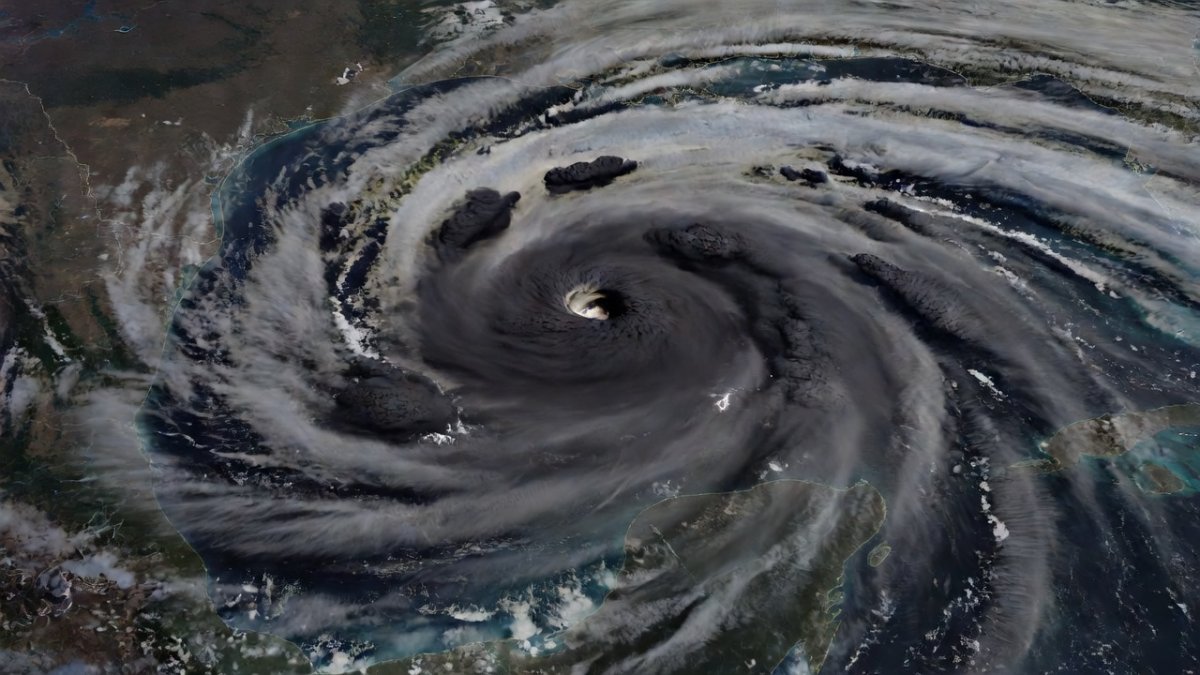
The Storm Brewing in the Gulf Mexican weather authorities have been tracking an area of atmospheric instability in the Gulf of Mexico that has drawn attention from both SMN and Conagua. This system combines several factors including a low-pressure trough, an unseasonal frontal system, and tropical wave No. 7, creating conditions for heavy to torrential rainfall across multiple
The Storm Brewing in the Gulf
Mexican weather authorities have been tracking an area of atmospheric instability in the Gulf of Mexico that has drawn attention from both SMN and Conagua. This system combines several factors including a low-pressure trough, an unseasonal frontal system, and tropical wave No. 7, creating conditions for heavy to torrential rainfall across multiple regions. Officials emphasize that the probability of the system becoming a hurricane remains low to moderate at this stage, though continuous monitoring continues through official channels.
The Servicio Meteorológico Nacional has issued alerts highlighting how these elements interact to produce intense precipitation rather than strong cyclonic winds as the primary concern for Mexico. Families living along the coast understand that even without hurricane-force winds, the volume of rain can quickly overwhelm drainage systems in urban neighborhoods and rural communities alike. Conagua continues to provide updated river level readings to help local governments prepare.
Communities in Veracruz and Tamaulipas have already begun noticing changes in wave patterns and cloud cover as the system sits off their shores. Teachers in coastal schools report that parents are checking official SMN updates before deciding whether to send children to class. This cautious approach reflects the deep respect Mexican families hold for the power of Gulf weather patterns.
Models currently suggest the system could move northwest across the Gulf toward the southeastern United States, but authorities stress that forecasts remain subject to change. In the meantime, the immediate focus stays on rainfall impacts that could affect daily life for thousands of ordinary citizens. Civil protection agencies remind everyone to rely only on verified sources rather than social media rumors.
Local radio stations in the affected zones have started broadcasting regular updates from Conagua and SMN to reach families who may not have reliable internet access. This community-centered communication helps ensure that even remote villages receive timely information about rising river levels and potential waterlogging.
Northern States in the Crosshairs
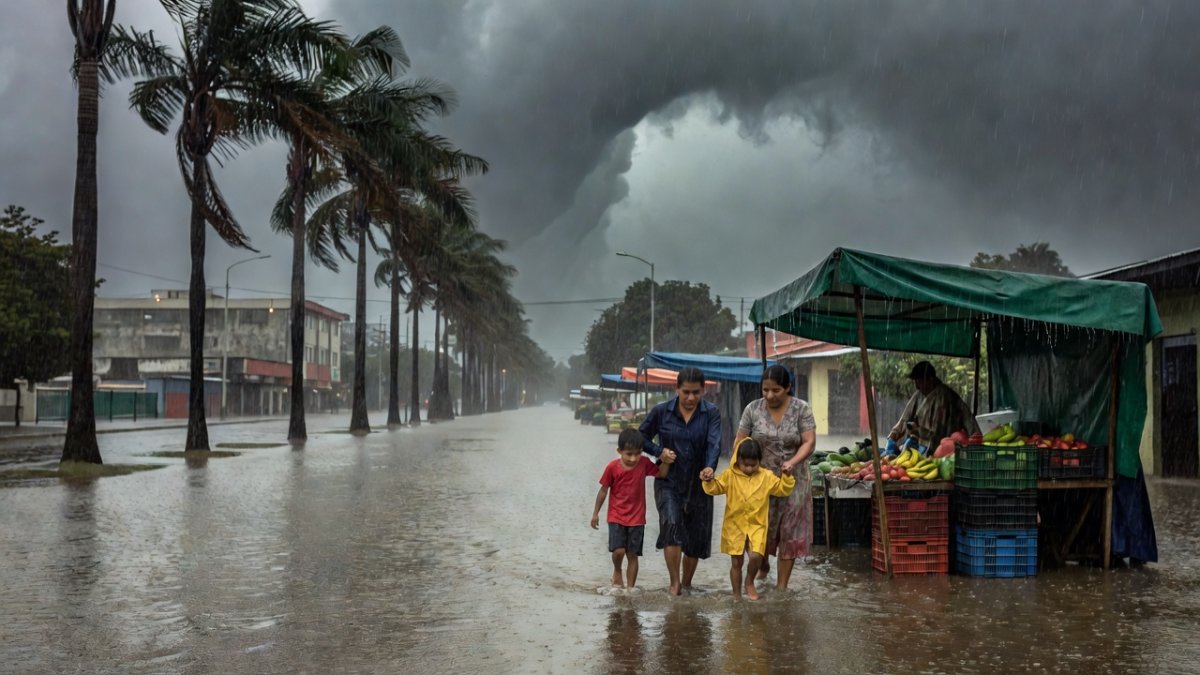
Coahuila, Nuevo León, and Tamaulipas stand directly in the path of the forecasted intense to torrential rainfall. These states face risks of flooding, landslides, and severe waterlogging in urban areas where drainage infrastructure can struggle during prolonged downpours. State governments have begun coordinating with municipal authorities to identify vulnerable colonias that historically experience the worst effects.
In Nuevo León, residents of Monterrey’s surrounding neighborhoods recall past events where sudden heavy rains turned streets into rivers within minutes. Small business owners near the Santa Catarina River are already moving merchandise to higher ground as a precaution. The combination of factors in the Gulf increases the chance that rainfall totals could exceed normal June levels.
Campesinos in rural parts of Coahuila worry about their crops and livestock as soil saturation could lead to landslides on hilly terrain. Many families depend on these agricultural activities for their livelihood, making the current forecast particularly concerning. State civil protection units have started door-to-door visits in high-risk zones to share evacuation routes.
Tamaulipas officials report that several rivers are being closely watched because rising water levels could isolate communities for days. Healthcare workers at local clinics have received guidance on treating potential waterborne illnesses that often follow such events. The human impact extends beyond property damage to the daily routines of students, teachers, and market vendors.
Authorities continue to stress that preparation now can reduce later hardship for families who lack resources to recover quickly from flooding. Coordination between state governments and federal agencies like SEGOB helps ensure resources reach the most affected areas promptly.
Monterrey's World Cup Disrupted
Monterrey, a designated World Cup host city, experienced direct consequences when heavy rains forced the cancellation of the FIFA Fan Fest on Monday. Local organizers made the decision after assessing conditions that made outdoor gatherings unsafe for families and visitors. This cancellation affected thousands of residents who had planned to enjoy the event together in public spaces.
The economic ripple reaches small vendors who set up food stalls and merchandise tables around the Fan Fest area each year. Many of these entrepreneurs rely on the influx of fans for seasonal income that supports their households throughout the summer. City officials have not yet issued any official announcement regarding further cancellations, leaving families uncertain about upcoming activities.
Students and young people who had organized viewing parties in neighborhood parks now wonder whether similar events will proceed. The uncertainty highlights how weather systems can interrupt community traditions that bring people together across generations. Local businesses near the stadium area have begun adjusting inventory in anticipation of continued wet conditions.
Despite the disruption, residents express pride that Monterrey continues preparing to welcome international visitors later this year. Civil protection authorities encourage everyone to monitor official channels for updates rather than relying on unofficial reports. This measured approach helps maintain calm while protecting public safety during the current weather situation.
Teachers in the metropolitan area have incorporated discussions about weather preparedness into classroom activities, helping children understand how atmospheric systems affect daily life. Such education strengthens community resilience for future events.
Coastal Communities on Alert
Fishermen along the coasts of Veracruz and Tamaulipas received direct orders to suspend all maritime activities due to high waves generated by the system. Many families in these coastal communities depend on daily fishing trips for both income and food, making the suspension a significant hardship. Authorities from SEMAR and the Guardia Nacional have been patrolling harbors to ensure compliance and offer support.
Small boat owners report that the combination of rough seas and the approaching rainfall makes conditions particularly dangerous. Community leaders in fishing villages have organized mutual aid networks to share resources while activities remain halted. These grassroots efforts reflect the strong bonds that characterize Mexican coastal life.
Port authorities continue to monitor wave heights and wind conditions closely, with updates provided through official maritime channels. Families of fishermen gather at the docks each morning hoping for news that conditions have improved enough to resume work. The economic pressure builds quickly when multiple days pass without income.
Local restaurants that rely on fresh seafood catches have begun sourcing from alternative suppliers further inland. This adjustment affects menu prices and availability for residents who enjoy traditional coastal dishes. Civil protection teams have distributed information about temporary assistance programs for affected workers.
The situation underscores the vulnerability of communities whose livelihoods are tied directly to the Gulf. State governments work alongside federal agencies to provide both immediate safety measures and longer-term support for these families.
Scorching Southeast
Before the storm system brings relief, southeastern states including Campeche and Yucatán have registered temperatures reaching up to 45°C. This extreme heat creates a stark contrast with the heavy rainfall expected farther north, leaving residents dealing with two very different weather challenges in quick succession. Health authorities have issued warnings about heat-related illnesses, particularly for outdoor workers and the elderly.
Indigenous communities in Yucatán report that traditional farming activities become nearly impossible during peak afternoon heat. Families adjust their schedules to work early in the morning or late in the evening when temperatures drop slightly. Schools have modified recess times to protect children from heat exhaustion.
The contrast between the scorching southeast and the rainy north illustrates the diverse climate patterns that Mexico experiences even within a single season. Conagua continues to track how the atmospheric instability may eventually bring moisture to these hot regions, though timing remains uncertain. Local health centers have increased staffing to handle potential dehydration cases.
Market vendors in Campeche have installed additional shade structures and increased water availability for customers. These practical adaptations help maintain daily commerce despite the challenging conditions. Community organizations distribute electrolyte solutions in rural areas where access to medical care can be limited.
Residents express hope that the eventual arrival of rain will ease the oppressive heat while also recognizing the new risks that heavy precipitation could bring to the region. This balanced perspective reflects the resilience developed through generations of living with Mexico’s variable weather.
Government Response and Emergency Protocols
Civil protection authorities at federal, state, and municipal levels have activated emergency protocols in response to the Gulf system. The Guardia Nacional has deployed personnel to support evacuation efforts if rising river levels threaten communities in northern states. Coordination with SEDENA ensures that additional resources remain available should conditions worsen.
State governments in Coahuila, Nuevo León, and Tamaulipas have opened temporary shelters in schools and community centers for families who may need to leave their homes. Officials emphasize that these measures remain precautionary while rainfall forecasts are monitored closely. FGR representatives have joined coordination meetings to address any potential security concerns during evacuations.
IMSS and ISSSTE clinics have received guidance on preparing for increased patient loads related to weather-related injuries or illnesses. Healthcare workers in rural areas particularly appreciate the advance notice that allows them to stock necessary supplies. The Sheinbaum administration has directed federal agencies to maintain open communication with state leaders throughout the event.
Regular press briefings from Conagua and SMN provide updates that local radio and television stations rebroadcast to reach the widest possible audience. This transparency helps families make informed decisions about their daily activities. Municipal authorities continue door-to-door outreach in vulnerable colonias to ensure no one is left without information.
The response demonstrates the importance of coordinated action across multiple levels of government when weather systems affect large portions of the country. Community trust in official channels remains essential for effective protection of Mexican families.
What Families Should Do
Authorities urge all residents in affected areas to monitor updates exclusively through official SMN and Conagua channels rather than unverified social media posts. Families in northern states should prepare emergency kits containing water, non-perishable food, flashlights, and important documents in case evacuation becomes necessary. Checking on elderly neighbors and those with mobility challenges strengthens community bonds during uncertain times.
Parents are encouraged to discuss weather safety with children so that everyone understands basic precautions such as avoiding flooded streets. Small business owners should secure outdoor merchandise and consider early closure if waterlogging begins. These practical steps help reduce both personal risk and economic losses.
In coastal communities where fishing remains suspended, families can explore temporary support programs offered through state governments while waiting for conditions to improve. Rural residents should move livestock to higher ground and secure any structures that could be damaged by strong winds or landslides. Community organizations like Players of Life and Ambas Manos have begun sharing localized advice through trusted neighborhood networks.
Residents of the southeast facing extreme heat are advised to stay hydrated, limit outdoor activities during peak hours, and check on vulnerable family members regularly. When the rain eventually arrives, the same preparation mindset will help communities manage the transition safely. Civil protection hotlines remain available for anyone needing specific guidance tailored to their location.
By staying informed and supporting one another, Mexican families demonstrate the resilience that defines communities across the country during weather events. Continued attention to official sources will guide decisions in the coming days as the system evolves.
Tags: Gulf of Mexico storm, heavy rains northern Mexico, Coahuila Nuevo León Tamaulipas flooding, Monterrey FIFA Fan Fest, fishermen suspension activities, SMN Conagua alerts, tropical wave No.7, civil protection protocols, Campeche Yucatán heat, Guardia Nacional response
By Rosa Martinez, Staff Writer
This article was produced with AI-assisted research and editorial support. Reporting is based on sources cited in the article.
What's Your Reaction?
 Like
0
Like
0
 Dislike
0
Dislike
0
 Love
0
Love
0
 Funny
0
Funny
0
 Wow
0
Wow
0
 Sad
0
Sad
0
 Angry
0
Angry
0

Latin America/Andes Correspondent at Global1.News. Based in Bogota, covering politics, environment, energy, and social movements across the Andean region. Passionate about environmental journalism and communities protecting their land.










Comments (0)