
Gulf of Paria Tensions Rise After May Oil Spill Dispute
Gulf of Paria Tensions Rise After May Oil Spill Dispute The Morning It Happened On the first of May, Heritage Petroleum Company Limited picked up signs of trouble at its offshore Main Field operation in the Gulf of Paria around seven twenty-five in the morning. The company moved quickly to alert the Ministry of Energy and Energy Industries, the Coast Guard, and the Environmenta
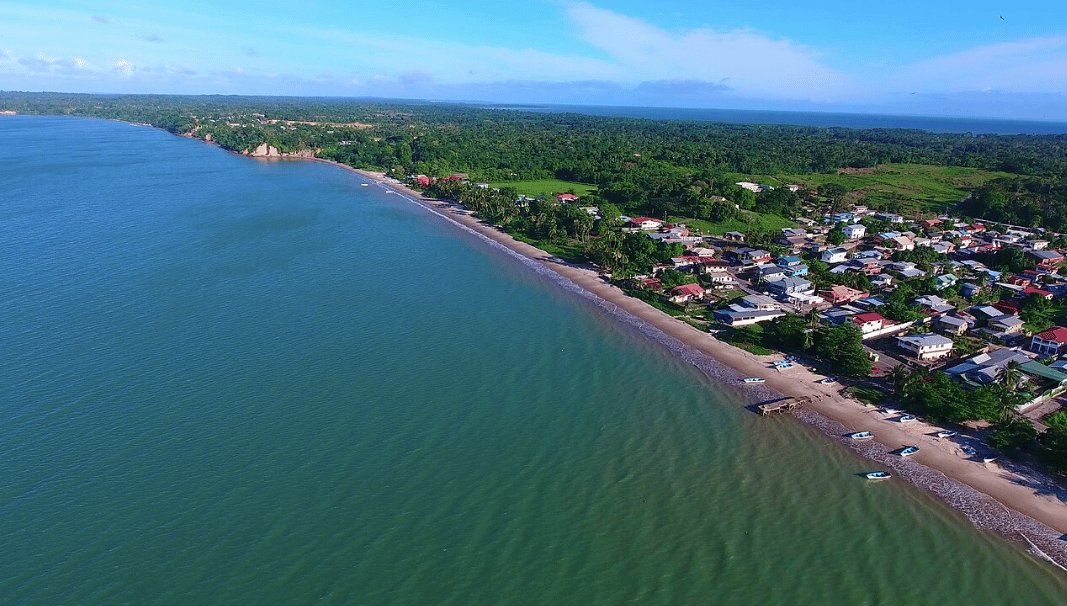
The Morning It Happened
On the first of May, Heritage Petroleum Company Limited picked up signs of trouble at its offshore Main Field operation in the Gulf of Paria around seven twenty-five in the morning. The company moved quickly to alert the Ministry of Energy and Energy Industries, the Coast Guard, and the Environmental Management Authority. According to the Trinidad and Tobago side, the spill amounted to roughly ten barrels and the leak itself was brought under control that same day. Repairs were completed and the facility returned to service on the second of May. Trinidad and Tobago authorities described the event as minor and contained without delay. Their own modelling showed that, if left untreated, the hydrocarbons could have drifted across the maritime boundary into Venezuelan waters.
Chemical dispersants were therefore applied at a distance of six to eight nautical miles from the shared border. Follow-up checks by drone and vessel confirmed that no visible hydrocarbons remained on the surface. These steps were taken to limit any wider movement of the oil within the shared gulf.
Despite the swift internal response, the incident stayed out of public view for more than a week. Neither Heritage Petroleum nor the government issued any statement until Venezuela raised the matter. This quiet handling left many in the coastal communities of Trinidad wondering how such events are normally communicated between neighbours.
How Venezuela Found Out
Venezuela brought the matter into the open on the twelfth of May when Foreign Minister Yván Gil spoke publicly about satellite images that showed a slick in the Gulf of Paria. Those images dated back to the twenty-eighth of April, several days before Trinidad and Tobago recorded the spill on the first of May. Caracas stated that the oil appeared to have originated from the Trinidadian side and could affect large areas of shared water.
Acting President Delcy Rodríguez responded by sending a team of environmental specialists, biologists and naval personnel to check the coastline. The Venezuelan side noted that the volume of oil remained unknown to them and asked for full information and compensation for any damage. This step came after their own review of the satellite evidence raised concerns about possible movement across the maritime boundary.
Communities along the southern coast of Trinidad heard the news only after Venezuela made it public. Many residents who depend on the Gulf of Paria for fishing and small-scale trade began asking why no local announcement had come earlier. The delay left people wondering how information about shared waters usually travels between the two neighbours.
Trinidad and Tobago maintained that its own checks showed the spill was limited and that dispersants had been used well inside its waters. Still, the fact that satellite pictures from Caracas reached the public first created unease in coastal villages on both sides of the gulf.
What's at Stake for the Gulf
The Gulf of Paria holds deep importance for families in Trinidad who fish its waters and for communities in Venezuela's Sucre and Delta Amacuro states. Venezuela warned that any oil could reach one thousand six hundred and twenty-five square kilometres of sea and coast, touching twelve wetland systems and four national parks. More than five hundred fishermen could see their daily catches affected if the hydrocarbons spread.
Trinidad and Tobago's modelling showed that untreated oil might drift toward the shared border, which is why dispersants were placed six to eight nautical miles inside its own waters. Follow-up drone and vessel checks found no visible oil left on the surface after those measures. Local fishers still worry about longer-term effects on the seabed and the small marine life that supports their trade.
Both countries share this body of water, and any spill quickly becomes a concern for people who live along its shores. The wetlands and parks mentioned by Venezuela support birds, crabs and fish that move across the boundary without regard for lines on a map. Coastal families in Trinidad know that a problem in one part of the gulf can reach their landing sites within days.
The economic side also matters. Fishermen in the affected Venezuelan states rely on steady catches to feed their households and supply nearby markets. In Trinidad, similar livelihoods exist around the Gulf of Paria, making any uncertainty about water quality a direct worry for those who work the sea each day.
The Diplomatic Fallout
Venezuela formally asked Trinidad and Tobago for information and compensation, stating that the spill risked serious harm to shared ecosystems. Port of Spain replied that the event involved only about ten barrels, was stopped on the first of May and repaired the next day. The two sides therefore hold different views on how far the oil travelled and what response is required.
The public statement by Venezuela's foreign minister on the twelfth of May brought the issue onto the regional stage. Until then, neither Heritage Petroleum nor the Trinidad and Tobago government had released details to the public. This lack of early notice added tension to an already sensitive relationship over the gulf.
Officials in Port of Spain described the spill as minor and quickly contained, while Caracas pointed to satellite evidence that began days earlier. The difference in accounts has left room for further talks between the two governments. Neighbouring countries often face such moments when waters are shared and small incidents can grow into larger questions.
Local voices in Trinidad have called for clearer communication so that fishing communities on both sides can prepare if needed. The row shows how quickly an offshore event can move from a company matter to a question between capitals.
A History of Shared Waters
The Gulf of Paria has long connected the economies and daily lives of people in Trinidad and Tobago and Venezuela. Fishing boats from both countries work the same grounds, and families on either shore depend on the health of the same marine environment. This closeness means that any spill or leak carries consequences beyond one nation's boundary.
Environmental governance between the two neighbours has faced repeated tests over the years. The current dispute follows earlier concerns about pollution and resource use in the gulf. Both sides have institutions that monitor such events, yet the timing of public information remains a point of discussion.
Trinidad and Tobago's Ministry of Energy and Energy Industries, the Coast Guard and the Environmental Management Authority were all notified on the morning of the first of May. Venezuela's response came after its own review of satellite data. The pattern shows how two separate systems must work together when the sea itself does not recognise borders.
Coastal residents understand these realities well. They have seen how weather, currents and small operational issues can affect catches and water quality across the gulf. The latest event simply brings those long-standing links back into focus.
Regional Implications for the Caribbean
The dispute between Trinidad and Tobago and Venezuela carries wider lessons for the Caribbean region. Several Caribbean nations operate offshore energy infrastructure near maritime boundaries, and the question of who discloses what and when is relevant far beyond the Gulf of Paria. Guyana, Barbados, and Suriname all have active offshore energy sectors where a similar incident could test bilateral relations.
CARICOM has at times served as a platform for discussing environmental cooperation, yet the organisation has no binding mechanism for cross-border spill notification. The current row between Port of Spain and Caracas highlights this gap. Regional observers have noted that a standard protocol for sharing information about offshore incidents could help prevent future disputes from escalating to the level of public demands for compensation.
The economic stakes extend beyond fishing communities. Trinidad and Tobago's energy sector remains a major contributor to the national economy, with Heritage Petroleum operating as a key player in the state-owned energy landscape that grew out of the former Petrotrin structure. Any incident that draws negative attention to offshore operations can affect investor confidence and public trust in the sector's environmental safeguards. For Venezuela, the environmental damage claim represents both a legitimate concern for protected ecosystems and a diplomatic lever in a relationship that has seen its share of ups and downs.
The timing also matters. Hurricane season officially began on the first of June, and the Gulf of Paria is no stranger to the heavy weather that can complicate containment efforts. Had this spill occurred during a storm event rather than in calm May conditions, the outcome might have been far different. The region's vulnerability to extreme weather makes robust preparedness agreements all the more necessary.
What Happens Next
Venezuela has asked for detailed information and possible compensation while Trinidad and Tobago continues to describe the spill as limited and contained. Further exchanges between the two governments are expected as each side reviews its records. The multidisciplinary team sent by Acting President Delcy Rodríguez is already examining the Venezuelan coastline for any signs of impact.
Trinidad and Tobago authorities have stated that their modelling and on-site checks showed no remaining surface oil after dispersants were applied. Caracas maintains that the full volume and path of the oil need clearer explanation. These positions set the stage for technical discussions that could involve both environmental and maritime agencies.
Fishing communities on both sides of the gulf will watch the outcome closely. Any agreement on monitoring or future notification procedures would affect how quickly families learn about similar events. The shared nature of the waters means that practical steps taken now could reduce uncertainty for those who work the sea.
Regional observers note that such incidents test the strength of existing channels between neighbours. The facts already on record — the detection date, the satellite images and the areas flagged by Venezuela — will likely guide the next round of talks. People living along the Gulf of Paria hope the process leads to clearer arrangements for the waters they all rely upon.
By Sharon Sahatoo, Staff WriterThis article was produced with AI-assisted research and editorial support. Reporting is based on sources cited in the article.
What's Your Reaction?
 Like
0
Like
0
 Dislike
0
Dislike
0
 Love
0
Love
0
 Funny
0
Funny
0
 Wow
0
Wow
0
 Sad
0
Sad
0
 Angry
0
Angry
0
Caribbean Correspondent at Global1.News. Based in Port of Spain, Trinidad, covering Caribbean politics, economy, energy, climate, and culture. Amplifying the voices and stories of the Caribbean region.









Comments (0)