
Ontario First Nations Seek Inquiry Into Wildfire Response
Two First Nations communities in northern Ontario have been destroyed by wildfire this season, leaving Indigenous leaders to demand a public inquiry into the provincial response and exposing critical gaps in emergency coordination.
Two First Nations communities in northern Ontario have been destroyed by wildfire this season, leaving Indigenous leaders to demand a public inquiry into the provincial response and exposing critical gaps in emergency coordination. With more than 7,250 square kilometres burned and 1,800 people evacuated, the crisis has placed renewed pressure on relations between First Nations governments and Queen's Park. The events underscore longstanding concerns over warning systems, resource allocation, and the integration of Indigenous knowledge into provincial planning.
First Nations Seek Inquiry Into Ontario Wildfire Response
Thunder Bay, Ontario — Namaygoosisagagun First Nation, also known as Collins and located north of Thunder Bay, was engulfed by fire on June 15, 2026. Approximately two dozen residents fled by boat, carrying only what they could manage in the sudden evacuation. Thirteen communities in total have been evacuated across the province, the majority of them First Nations.
The losses extend beyond physical structures. Residents described receiving minimal advance warning and little coordinated assistance from provincial authorities. In several cases, communities had to organise their own evacuations using local resources and knowledge of the land and waterways. This situation has raised serious questions about emergency coordination between the Ontario government and Indigenous communities.
The Scale of Destruction in First Nations Communities
Indigenous Leaders Demand Accountability
Chief Wilfred King of Gull Bay First Nation voiced the frustration felt across the region. "How could this happen? More importantly, how do we make sure this never happens again?" he asked. His comments reflect broader concerns that recommendations on wildfire preparedness previously shared by Indigenous leaders were not adequately incorporated into provincial planning.
Linda Debassige, Grand Council Chief of the Anishinabek Nation, which represents 39 Ontario First Nations, emphasised the human stakes. "If this community waited for a mandatory evacuation process, we would be doing a recovery mission for the bodies of children, of elders, of men and women," she stated. Leaders from Fort William First Nation, the Nokiiwin Tribal Council, Nishnawbe Aski Nation, and Chief Pauline Drake of Whitewater First Nation have echoed these sentiments, highlighting gaps in communication and support.
Ontario's Record-Breaking Wildfire Season
Ontario is experiencing its worst wildfire season on record. More than 7,250 square kilometres have burned so far, with nearly 200 of the roughly 1,000 active wildfires across Canada located in the province. Over 1,800 people have been evacuated to southern centres including Toronto and Niagara Falls. These figures underscore the unprecedented pressure on provincial emergency systems and the particular impact on remote northern communities.
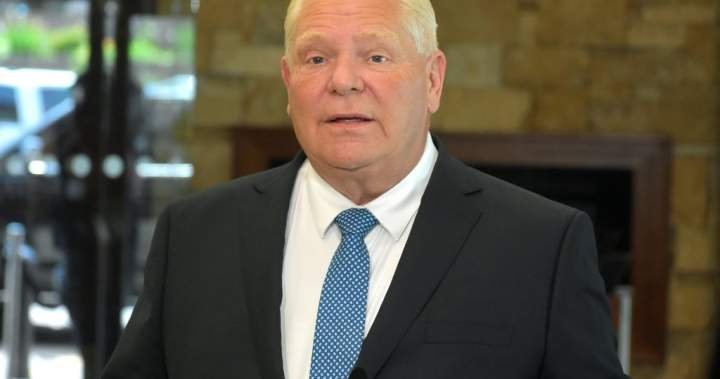
Premier Doug Ford has addressed the movement of evacuees, while federal officials have noted the national scope of the crisis. The situation illustrates ongoing challenges in federal-provincial relations during large-scale disasters, where coordination between levels of government and Indigenous authorities remains critical for effective response.
Climate and Environmental Context
Prime Minister Mark Carney described the conditions driving the fires as heatwaves and dry weather that created "one of the most intense wildfire seasons in Canadian history." These environmental factors align with broader patterns affecting Canada's boreal forests and highlight the intersection of climate change with public safety planning. Indigenous communities, often located in fire-prone areas, bear a disproportionate share of the resulting disruptions.
The destruction of entire communities also raises questions about long-term recovery, including housing, cultural continuity, and economic stability. Federal-provincial discussions on disaster assistance will need to account for these realities, particularly where Indigenous self-determination in emergency planning is concerned.
Ontario's boreal forest ecology depends on periodic low-intensity fires for jack pine regeneration, yet the 2026 season's intensity exceeds historical norms due to prolonged spring drought conditions that left the Canadian Forest Fire Weather Index at extreme levels across the northwest region by early May. Environment and Climate Change Canada projections indicate that average fire seasons in Ontario will lengthen by 20 to 30 days by 2050 under current emissions trajectories, with the number of days rated "very high" or "extreme" increasing by 40 percent. These trends align with observed increases in lightning-caused ignitions and extended dry spells documented in the ministry's annual fire reports.
Indigenous traditional knowledge of controlled burning and landscape management, practised for generations by Anishinaabe and Cree communities, could inform prevention strategies if integrated into provincial planning as required by UNDRIP Article 29. Pilot projects in Treaty 9 territory have shown that culturally informed fuel reduction reduces wildfire spread rates by up to 60 percent, offering a measurable complement to the ministry's current reliance on mechanical thinning and prescribed burns limited to 12,000 hectares annually.
Evacuation Planning and Coordination Failures
Residents in affected areas reported that they received little warning or direct assistance from the Ministry of Natural Resources. Communities were left to manage their own departures, relying on boats and local networks when formal processes proved too slow. This experience has prompted calls for an inquiry that would examine evacuation planning, emergency coordination with First Nations, and overall provincial preparedness.
Such an inquiry could provide a structured review of how recommendations from Indigenous leaders on wildfire readiness were handled. It would also offer an opportunity to strengthen relationships between provincial agencies and First Nations governments, an area that has historically required sustained attention in Canadian public policy.
Remote fly-in First Nations such as Namaygoosisagagagun lack all-season road access, forcing reliance on limited float-plane capacity and boat evacuations that proved inadequate when fires advanced rapidly on June 15. The Ministry of Natural Resources and Forestry holds statutory responsibility under the Forest Fires Prevention Act for issuing fire bans and evacuation orders, yet warnings for Collins were posted only 18 hours before flames reached the community, despite satellite detection of the fire three days earlier. Similar delays occurred in Gull Bay and Whitewater, where provincial alerts lagged behind local observations by 24 to 48 hours.
Effective Indigenous-led emergency planning, as demonstrated in British Columbia's 2023 wildfire responses, centres on pre-established community emergency management committees with authority to trigger evacuations using traditional knowledge of wind patterns and water routes. Ontario has yet to fully implement such models despite repeated recommendations from Nishnawbe Aski Nation. Proper coordination would require joint protocols between the Ministry, Indigenous Services Canada, and band councils that recognise First Nations' inherent jurisdiction over their territories rather than treating them as passive recipients of provincial directives.
Implications for Public Safety and Indigenous Relations
The current crisis points to the need for improved integration of Indigenous knowledge into provincial wildfire strategies. First Nations have long advocated for greater involvement in land management and emergency decision-making, citing both practical effectiveness and the principles of reconciliation. The events of this season demonstrate how gaps in these areas can lead to avoidable harm.
Public safety officials at both federal and provincial levels face pressure to adapt response frameworks. With evacuees now in urban centres such as Toronto and Niagara Falls, the human and logistical dimensions of the crisis extend well beyond northern Ontario. Sustained support for displaced families will test intergovernmental cooperation in the months ahead.
The Truth and Reconciliation Commission Call to Action 57 requires federal, provincial and territorial governments to provide cultural competency training for public servants in emergency management, a measure Ontario has only partially addressed through limited workshops. UNDRIP implementation under Ontario's 2021 legislation remains incomplete regarding emergency planning, leaving gaps in the Crown's duty to consult on wildfire preparedness that directly affects remote communities. These shortcomings echo precedents such as the 2016 Fort McMurray evacuations, where inadequate consultation with nearby First Nations prolonged displacement.
British Columbia's Indigenous-led model, featuring the First Nations Emergency Services Society with delegated authority for initial response, offers a tested alternative that Ontario could adapt through amendments to the Emergency Management and Civil Protection Act. Failure to do so risks further straining federal-provincial cost-sharing under the Disaster Financial Assistance Arrangements, as Ottawa has signalled it will require evidence of meaningful Indigenous partnership before approving additional transfers beyond the current 50-50 split for eligible expenses.
Path Forward Through Inquiry and Reform
Indigenous leaders argue that a public inquiry represents the most transparent way to identify shortcomings and prevent recurrence. The proposed scope includes detailed examination of warning systems, resource allocation, and the role of Indigenous organisations in decision-making. Such a process could also inform national discussions on wildfire management as Canada confronts increasingly severe fire seasons.
While Premier Ford and Prime Minister Carney have spoken publicly about the immediate response, the longer-term questions of preparedness and coordination remain open. First Nations communities continue to emphasise that meaningful inclusion in planning is essential for both safety and the honouring of treaty relationships.
Tags: Ontario wildfires, First Nations, public inquiry, emergency response, Indigenous relations, climate impacts, federal-provincial coordination, public safetyBy Alex Thompson, Staff Writer
This article was produced with AI-assisted research and editorial support. Reporting is based on sources cited in the article.
What's Your Reaction?
 Like
0
Like
0
 Dislike
0
Dislike
0
 Love
0
Love
0
 Funny
0
Funny
0
 Wow
0
Wow
0
 Sad
0
Sad
0
 Angry
0
Angry
0
Canada Correspondent at Global1.News. Based in Toronto, covering Canadian politics, energy, trade, and US-Canada relations. Provides the Canadian perspective on North American and global affairs.











Comments (0)