
El Mayo Zambada Sentenced to Life: Sinaloa Cartel Co-Founder's Day in Court
In a DW News video broadcast from the Brooklyn federal courthouse, cameras captured the solemn moment when 78-year-old Ismael Zambada García received his life sentence, with interpreters translating his words of accountability to viewers across Mexico and the United States. The footage also showed quiet gatherings in Culiacán where families watched the proceedings unfold, their expressions reflecting both cautious optimism and the enduring weight of cartel-related losses.
In a DW News video broadcast from the Brooklyn federal courthouse, cameras captured the solemn moment when 78-year-old Ismael Zambada García received his life sentence, with interpreters translating his words of accountability to viewers across Mexico and the United States. The footage also showed quiet gatherings in Culiacán where families watched the proceedings unfold, their expressions reflecting both cautious optimism and the enduring weight of cartel-related losses. This high-profile coverage underscores how Zambada's conviction resonates far beyond the courtroom, touching on issues of cross-border justice and community healing in Sinaloa.
El Mayo Zambada's Life Sentence Brings Mixed Hope to Sinaloa Families
Brooklyn, New York —
The Brooklyn Courtroom Verdict on July 20, 2026
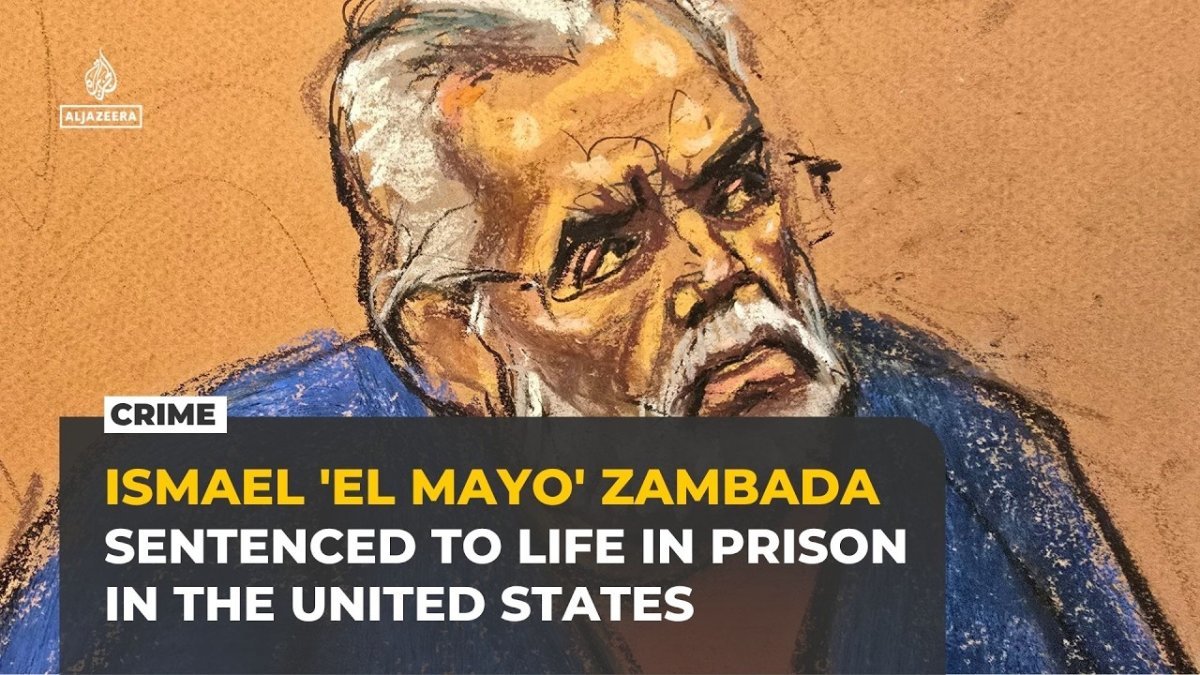
In the Brooklyn courtroom, Zambada spoke through an interpreter, offering words of apology in Spanish that reached families back home in Sinaloa. He described growing up surrounded by hardship and choices that felt inevitable, taking responsibility without seeking mercy. The 78-year-old appeared in tan prison garb, his expression steady yet distant as the judge read the life sentence for continuing criminal enterprise and racketeering conspiracy. Court records showed he admitted to 85 underlying crimes, including large-scale cocaine and fentanyl trafficking from Colombia, money laundering through border networks, and murder conspiracies that claimed lives on both sides of the line.
The judge ordered forfeiture of 15 billion dollars in cartel profits, funds that had once flowed through corrupt channels and now stand to support recovery efforts. This moment echoes Joaquín Guzmán's 2019 life sentence in Colorado, marking the first time both Sinaloa founders face permanent imprisonment. For communities in Culiacán, the dual convictions signal a legal turning point that could ease the grip of violence, though residents know the road to safer streets remains long and shared.
Arrest Details and Resulting Diplomatic Strains
Zambada's capture in July 2024 followed his claim of being kidnapped in Sinaloa and flown to New Mexico, an event that immediately sparked tensions between US authorities and Mexican officials. SEDENA and SEMAR forces had intensified patrols in rural Sinaloa areas, yet the sudden extradition process highlighted frictions under the Sheinbaum administration's cautious stance on handing over high-profile figures to US courts.
US Attorney Joseph Nocella Jr. addressed the courtroom, emphasizing how tens of thousands of parents across America lost children to addiction from the cartel's flood of cocaine, fentanyl, and methamphetamine. In Mexican border towns like Nogales, families recount similar losses, with young men recruited into smuggling routes that bribed officials from the FGR and SSPC to look the other way.
US-Mexico legal cooperation on cartel prosecutions has deepened through joint task forces and shared intelligence platforms, allowing prosecutors to align strategies on extraditions and asset seizures while respecting each nation's judicial sovereignty. This partnership has enabled Mexican authorities to pursue parallel domestic cases against mid-level operatives even as high-profile figures like Zambada face US courts, reducing the risk of fragmented enforcement that once allowed networks to regroup across the border. Analysts note that such collaboration could set precedents for handling future cases involving fentanyl precursors sourced from Asia, strengthening bilateral mechanisms against evolving cartel tactics.
Human Toll on Families in Sinaloa and Border States
In Culiacán's Colonia Centro and Colonia Infonavit, mothers gather at kitchen tables recounting how extortion known as cobro de piso drains earnings from small tortillerías and taquerías. Owners pay weekly fees to keep doors open, yet many still lose sons to cartel recruitment that promises quick money but delivers danger. The desaparecidos crisis has left hundreds of families searching for answers, with single mothers in border towns like Nogales bearing the weight of empty chairs at family meals and uncertain futures for younger children.
School closures during spikes in violence disrupt education for kids who already navigate fear on their way to class. Local tianguis markets see fewer vendors when shootouts erupt, cutting into sales of fresh produce and handmade goods that sustain entire neighborhoods. These daily struggles highlight the human cost that lingers even after high-profile arrests, as communities seek support to rebuild lives torn by decades of cartel influence.
Sheinbaum Administration's Stance on Extraditions
President Claudia Sheinbaum's team at the Presidencia de la República has balanced national sovereignty with cooperation on cartel cases, approving select extraditions while strengthening domestic prosecutions through the FGR. This approach aims to reduce the power of groups like the Sinaloa Cartel without fully ceding authority to foreign courts, a policy that resonates in Sinaloa where locals value Mexican-led justice.
Defense attorney Frank Perez confirmed Zambada offered no cooperation with US prosecutors, a detail that Mexican analysts link to ongoing loyalty networks within the cartel. Such decisions affect border families who hope for reduced violence but see continued operations that smuggle drugs northward and launder money through local economies.
Ongoing Violence in Sinaloa After the Capture
Since the July 2024 arrest, clashes between Los Chapitos factions and El Mayo loyalists have intensified across Sinaloa, turning rural roads into battlegrounds. SEDENA special forces conduct targeted operations while SEMAR patrols intercept go-fast boats carrying Colombian cocaine along the coast. Civilian casualty numbers have risen in affected areas, leaving families in ejidos to hide indoors during sudden exchanges of fire and pray for calm to return.
Authorities continue searching for fosas clandestinas that hold the remains of the missing, a painful process that brings both closure and renewed grief to widows and orphans. The Guardia Nacional works to maintain order in towns like Los Mochis, yet residents note that everyday life still pauses when violence flares. These efforts reflect a shared hope that sustained pressure on remaining networks will eventually allow children to play freely and markets to thrive without fear.
Cartel Operations and Their Reach into Daily Life
The Sinaloa Cartel's network moved cocaine from Colombia through Mexican ports and across the US border, generating billions that corrupted layers of government from local police to higher federal roles. Families in affected regions recall how young people were drawn into these routes, only to face addiction or death, mirroring the US losses highlighted by Attorney Nocella.
With Zambada's forfeiture of 15 billion dollars, Mexican officials from the FGR explore ways to seize related assets within the country, potentially funding community programs in violence-hit zones. This could offer relief to ordinary households struggling with the economic fallout from cartel dominance.
Beyond Mexico and the United States, the prosecution of figures like Zambada fits into a wider Latin American pattern where countries from Colombia to Honduras have pursued aggressive legal actions against cartel leadership, often with mixed results in curbing violence. Regional forums have increasingly emphasized coordinated asset recovery and witness protection programs to address the transnational nature of these organizations, yet challenges persist in nations where institutional corruption remains entrenched. This broader context highlights how individual convictions can inspire policy shifts across the hemisphere while exposing gaps in enforcement capacity.
Paths Forward for Mexican Communities and Institutions
As Zambada begins his life term, institutions like SEDENA and the SSPC continue joint operations with US counterparts to dismantle remaining networks. In Sinaloa, cultural traditions of family resilience shine through festivals that honor the living while remembering the lost, fostering hope that reduced cartel power might allow safer streets for future generations.
Residents connect this moment to broader national efforts under Sheinbaum, where extradition policies evolve to protect sovereignty while addressing the human costs borne by Mexican families on both sides of the border. Concrete changes in daily security could emerge if these strategies hold firm against entrenched criminal enterprises.
Reactions from Mexico's political class have been swift. Legislators from Morena emphasized that the sentencing validates President Sheinbaum's strategy of selective cooperation with US authorities while maintaining domestic legal sovereignty. In contrast, opposition figures from PAN and PRI called for a comprehensive review of bilateral security protocols, questioning whether Mexico's FGR has adequate resources to pursue parallel prosecutions of cartel operatives who evade US jurisdiction. The debate highlights the complex political terrain surrounding cartel justice in an election year.
The 2026 political landscape in Mexico stands to be shaped by Zambada's sentencing, with Morena likely highlighting it as evidence of effective anti-cartel measures under President Sheinbaum to bolster their electoral narrative. Opposition parties, including PAN and PRI, may criticize perceived leniency in domestic prosecutions or push for greater transparency in US-Mexico intelligence sharing, potentially influencing voter sentiment in key states like Sinaloa ahead of midterm contests. Such dynamics could accelerate debates over security funding and judicial reforms, testing how parties balance sovereignty concerns with public demands for reduced violence.
For Mexican families who have lost loved ones to cartel violence, Zambada's life sentence offers a measure of accountability that has been painfully rare in a country where impunity remains the norm for organized crime. INEGI statistics show that more than 30,000 homicides are recorded annually in Mexico, with a significant portion linked to cartel-related activity. While the sentencing of a cartel leader in a US court cannot replace Mexico's need for stronger domestic judicial institutions, it does signal that transnational criminal enterprises face growing consequences across borders — a message that resonates from the colonias of Culiacán to the halls of the Palacio Nacional.
By Rosa Martinez, Staff Writer
This article was produced with AI-assisted research and editorial support. Reporting is based on sources cited in the article.
What's Your Reaction?
 Like
0
Like
0
 Dislike
0
Dislike
0
 Love
0
Love
0
 Funny
0
Funny
0
 Wow
0
Wow
0
 Sad
0
Sad
0
 Angry
0
Angry
0
Latin America/Andes Correspondent at Global1.News. Based in Bogota, covering politics, environment, energy, and social movements across the Andean region. Passionate about environmental journalism and communities protecting their land.












Comments (0)