
Iran Retaliatory Strikes on Bahrain, Kuwait Escalate US-Iran War Across Gulf
Iran Strikes Multiple GCC States in Coordinated Retaliation On June 11, 2026, Iran launched missile and drone strikes against Bahrain, Kuwait and Jordan in direct retaliation for US air attacks on Iranian territory the previous night. The coordinated operation targeted facilities linked to US military presence while avoiding direct hits on American bases. Bahrain’s Interior Min
Iran Strikes Multiple GCC States in Coordinated Retaliation
On June 11, 2026, Iran launched missile and drone strikes against Bahrain, Kuwait and Jordan in direct retaliation for US air attacks on Iranian territory the previous night. The coordinated operation targeted facilities linked to US military presence while avoiding direct hits on American bases. Bahrain’s Interior Ministry reported that an 11-year-old girl sustained minor injuries and several homes and cars were damaged in residential areas. The strikes marked the first time Iran has hit multiple GCC states simultaneously since the current escalation began.
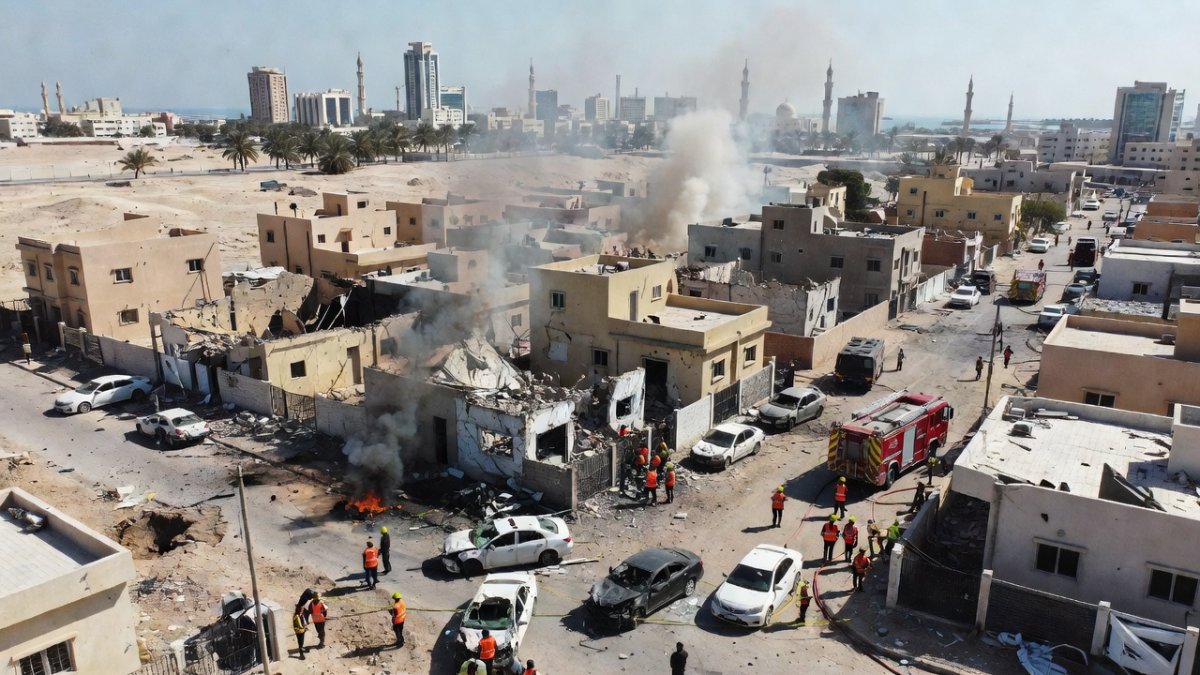
These attacks reflect Iran’s intent to impose costs on US partners without triggering full-scale war. Bahrain hosts the US Navy Fifth Fleet headquarters, making it a symbolic and operational target. Kuwait and Jordan, while less central to US naval operations, serve as forward locations for logistics and intelligence support.
Trump Threatens Unprecedented Escalation as Ceasefire Unravels
President Trump told Fox News that if Iran does not sign a peace deal, the US will “bomb the [expletive] out of them tomorrow.” Iran’s Foreign Ministry dismissed the threats as “desperate” and accused Washington of bad-faith negotiations. The two-month ceasefire announced in April 2026 after talks in Pakistan has been described by Trump as “the most violated ceasefire in the history of the world.”
The breakdown stems from mutual accusations of violations. Washington claims Tehran continued proxy support and missile development, while Tehran points to US strikes on Iranian territory as the original breach. The rhetoric signals that both sides have abandoned diplomatic off-ramps in favor of military signaling.
Strait of Hormuz Closure: Energy Markets Face Looming Crisis
Iran’s Persian Gulf Strait Authority (PGSA) announced the Strait of Hormuz is “completely closed” until further notice. This move directly threatens global oil flows, as approximately 20 percent of world oil consumption passes through the waterway daily. Gulf states are now racing to activate alternative export routes, though none offer comparable capacity.
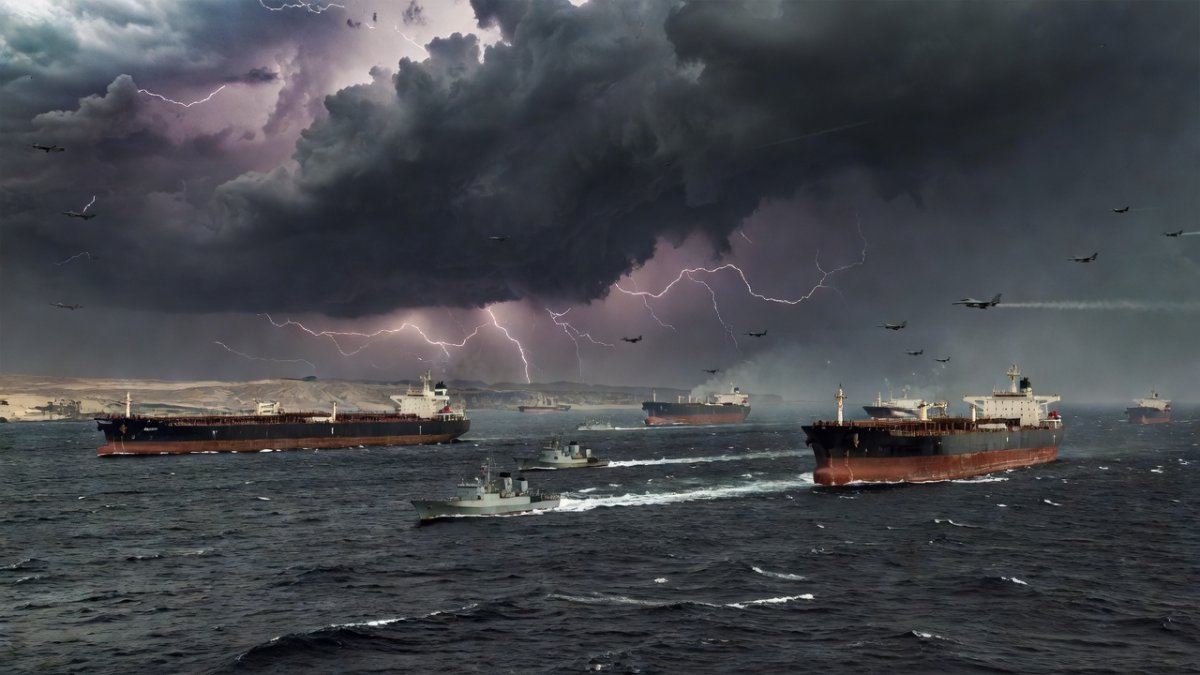
Energy markets have already reacted with sharp price spikes. The closure amplifies existing pressures from the US blockade and raises the risk of sustained global inflation. Gulf diversification plans, already strained by years of low oil prices, now face an existential test as export revenues face sudden disruption.
Maritime War: CENTCOM's Blockade and the Human Toll
CENTCOM disabled a third commercial oil tanker this week, the Guinea-Bissau-flagged M/T Jalveer in the Gulf of Oman. Three Indian seafarers were killed on the M/T Settebello earlier in the week. Since the US blockade began on April 13, nine non-compliant vessels have been disabled, 135 ships redirected, and 42 humanitarian aid vessels allowed through.
The blockade strategy aims to starve Iran of revenue while avoiding direct strikes on Iranian soil. However, the human cost is mounting among third-country nationals working in commercial shipping. India and other nations with large seafarer populations are facing domestic pressure to demand safer passage or alternative routing.
Bahrain's Strategic Vulnerability and the GCC Security Dilemma
Bahrain’s role as host to the US Fifth Fleet makes it the most exposed GCC state in the current conflict. The Iranian strikes deliberately tested Bahrain’s air defenses and highlighted the limits of US extended deterrence. Other GCC members are now reassessing their own exposure and the reliability of American protection.
Sunni-Shia dynamics further complicate the picture. Bahrain’s Shia majority population has long been viewed by Manama as a potential fifth column. Iranian strikes risk inflaming internal sectarian tensions even as they target US-linked infrastructure.
Iran's Strategic Calculus: Widening the Conflict Without Crossing the Line
Tehran’s decision to strike Bahrain, Kuwait and Jordan rather than US bases directly reveals a calculated effort to widen the conflict while staying below the threshold of all-out war. By hitting US partners, Iran seeks to fracture the coalition supporting the blockade and force Washington to spread its defensive resources thinner.
Iran retains leverage through the Strait of Hormuz closure and its missile and drone capabilities. Yet it must balance escalation with the risk of regime-threatening US retaliation. The current approach tests how far partners will tolerate attacks before demanding Washington de-escalate or withdraw.
Regional Implications: What This Means for Gulf Stability
The escalation carries second-order effects across multiple regional fault lines. Arab-Israeli normalization efforts face renewed strain as Gulf states weigh security dependence on the US against Iranian retaliation risks. Turkey’s foreign policy may gain maneuvering room as Ankara positions itself as a potential mediator or alternative security partner.
US inflation has already surged to a 4.2 percent annual rate, the highest in three years, partly due to war-driven gas prices. If the Strait remains closed, European and Asian economies will face similar pressures, potentially shifting great-power competition dynamics as China and Russia seek to exploit US overextension. The coming weeks will determine whether the conflict remains contained or expands into a broader regional conflagration.
By Malik Hassan, Staff WriterThis article was produced with AI-assisted research and editorial support. Reporting is based on sources cited in the article.
What's Your Reaction?
 Like
0
Like
0
 Dislike
0
Dislike
0
 Love
0
Love
0
 Funny
0
Funny
0
 Wow
0
Wow
0
 Sad
0
Sad
0
 Angry
0
Angry
0

Middle East Correspondent at Global1.News. Based in Beirut, covering politics, conflict, energy, and society across the Middle East. Brings context and depth to a region often reduced to headlines.














Comments (0)