
El Mayo Zambada Life Sentence: Plea to Mexican Youth
The Sentencing in New York and Immediate Reactions Ismael "El Mayo" Zambada, the 76-year-old co-founder of the Sinaloa cartel, stood in federal court in Brooklyn on July 20, 2026, and accepted a life sentence after pleading guilty to engaging in a continuing criminal enterprise and racketeering conspiracy. He acknowledged responsibility for 85 underlying crimes and was ordered to forfeit $15 billion. Dressed in tan prison garb, the man who had evaded capture for decades appea
The Sentencing in New York and Immediate Reactions
Ismael "El Mayo" Zambada, the 76-year-old co-founder of the Sinaloa cartel, stood in federal court in Brooklyn on July 20, 2026, and accepted a life sentence after pleading guilty to engaging in a continuing criminal enterprise and racketeering conspiracy. He acknowledged responsibility for 85 underlying crimes and was ordered to forfeit $15 billion. Dressed in tan prison garb, the man who had evaded capture for decades appeared expressionless as the judge delivered the ruling.
Prosecutors highlighted how the Sinaloa cartel under Zambada flooded the United States with cocaine, fentanyl, and methamphetamine. US Attorney Joseph Nocella Jr. stated that during El Mayo's reign, tens of thousands of parents lost their children to addiction, overdose, and drug-related violence. Assistant Attorney General A. Tysen Duva called the conviction historic and a reflection of the Justice Department's commitment to eliminating cartels.
Zambada's attorney, Frank Perez, noted that his client did not cooperate with the government in a typical sense and did not provide information about Sinaloa cartel members or Mexican government officials. This detail underscores the complex layers of cartel operations that often intersect with official institutions south of the border.
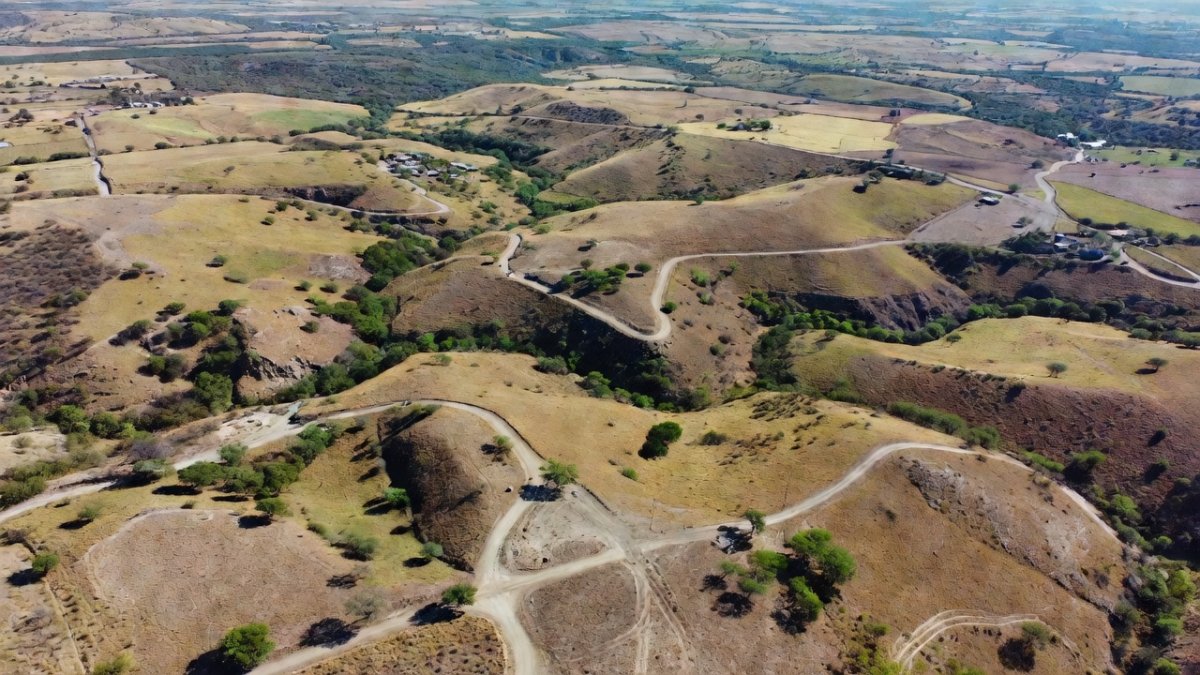
The sentencing comes nearly two years after Zambada's arrest on July 25, 2024, in El Paso, Texas. His path to that courtroom began in the rural communities of Sinaloa, where economic hardship has long pushed some young people toward illicit economies.
Zambada's Words to Young People and His Apology
Speaking through a Spanish-language interpreter, Zambada addressed the court directly. "I am not here to ask for compassion," he said. "I am here to take responsibility and to say I'm sorry — for the harm I caused and for the example I set." He described growing up in an environment where violence and crime seemed normal, yet he acknowledged that this offered no excuse.
"There comes a time when every person must take responsibility for their decisions," Zambada continued. "I didn't, and many people paid the price." He urged young people not to follow his path, stating, "Choose a different path. There is no future in violence." He added that violence must end in Mexico and elsewhere because too many lives are being lost and no one wins.
These statements carry particular weight in Sinaloa, where families in rural colonias have watched generations navigate limited opportunities. Zambada's message arrives as the Sinaloa state government and federal authorities continue efforts to steer youth toward education and legitimate work.
His own family story illustrates the cycle. His son Vicente "El Vicentillo" Zambada Niebla was arrested in 2009, extradited to the United States, and sentenced to 15 years. Many ordinary families in the region have experienced similar losses when loved ones become entangled in cartel activities.
Impact on Families and Communities in Sinaloa
In the colonias and rural towns of Sinaloa, the effects of cartel violence reach deep into daily life. Parents worry about their children being recruited or caught in crossfire, while migrant workers from the region often carry stories of lost opportunities back to their hometowns. Zambada's sentencing offers a moment for reflection on these realities.
Local economies tied to agriculture and small businesses have suffered when violence disrupts normal activity. Young people in these communities frequently face pressure to choose between scarce legitimate jobs and the quick money promised by illicit networks. Zambada's own words now echo through these conversations.
The Sinaloa state government has worked with federal partners to expand prevention programs, yet challenges remain. Families continue to mourn loved ones lost to addiction or violence, and the human cost extends far beyond courtroom proceedings in New York.
Community leaders emphasize that breaking the cycle requires sustained investment in education and economic alternatives. Zambada's call for young people to choose differently resonates with those working on the ground to offer such paths.
Broader Implications for Mexico's Institutions and Security
Mexico's fight against organized crime involves multiple agencies, including the Fiscalía General de la República (FGR), the Secretaría de la Defensa Nacional (SEDENA), the Secretaría de Marina (SEMAR), and the Guardia Nacional. Zambada's conviction highlights ongoing cooperation with U.S. authorities while underscoring the domestic challenges these institutions face.
Internal struggles within the Sinaloa cartel, including an attempt on Zambada's life, led to shifting alliances. Think tank InSight Crime has noted that cooperation between factions helped the cartel consolidate power even after Joaquín "El Chapo" Guzmán received his own life sentence in 2019. These dynamics affect security planning at the highest levels in Palacio Nacional.
Ordinary Mexicans in affected regions feel the ripple effects through disrupted communities and strained public resources. The Guardia Nacional's presence in Sinaloa aims to restore order, yet residents often express mixed feelings about long-term solutions that address root causes like poverty and limited opportunity.
Zambada's refusal to divulge details about cartel operations or officials reflects the entrenched nature of these networks. Mexican authorities continue to pursue strategies that combine enforcement with social programs to protect vulnerable populations.
The Human Story and Path Forward for Mexican Youth
Behind the headlines lies the story of real families who have endured decades of uncertainty. In Sinaloa and neighboring states, mothers and fathers have lost sons and daughters to overdoses or violence, while young people grapple with limited horizons. Zambada's apology and warning arrive as a stark reminder of choices and consequences.
Many in these communities are working to build different futures through local initiatives, schools, and family support networks. The emphasis on personal responsibility that Zambada voiced aligns with messages from educators and community organizers who encourage youth to see beyond immediate temptations.
President's office statements have repeatedly stressed the need for comprehensive approaches that combine security with development. For families in rural areas, this means access to jobs that do not involve risk or moral compromise.
As Mexico continues its efforts against organized crime, the voices of those most affected remain central. Zambada's sentencing closes one chapter but opens space for renewed focus on protecting the next generation from similar paths.
Tags: El Mayo Zambada, Sinaloa cartel, life sentence, Mexican youth, cartel violence, Sinaloa families, FGR Mexico, Guardia Nacional
By Rosa Martinez, Staff Writer
This article was produced with AI-assisted research and editorial support. Reporting is based on sources cited in the article.
What's Your Reaction?
 Like
0
Like
0
 Dislike
0
Dislike
0
 Love
0
Love
0
 Funny
0
Funny
0
 Wow
0
Wow
0
 Sad
0
Sad
0
 Angry
0
Angry
0
Latin America/Andes Correspondent at Global1.News. Based in Bogota, covering politics, environment, energy, and social movements across the Andean region. Passionate about environmental journalism and communities protecting their land.











Comments (0)