
Maritimes Brace for Challenging Wildfire Season as July Heats Up
Maritimes Brace for Challenging Wildfire Season as Temperatures Rise Overview/Introduction Federal ministers delivered an update on Thursday indicating that Canada faces a challenging wildfire season, with more than 3,100 wildfires recorded so far this year and nearly 800 currently burning. Of those, sixty are considered out of control. Emergency Preparedness Minister Eleanor O
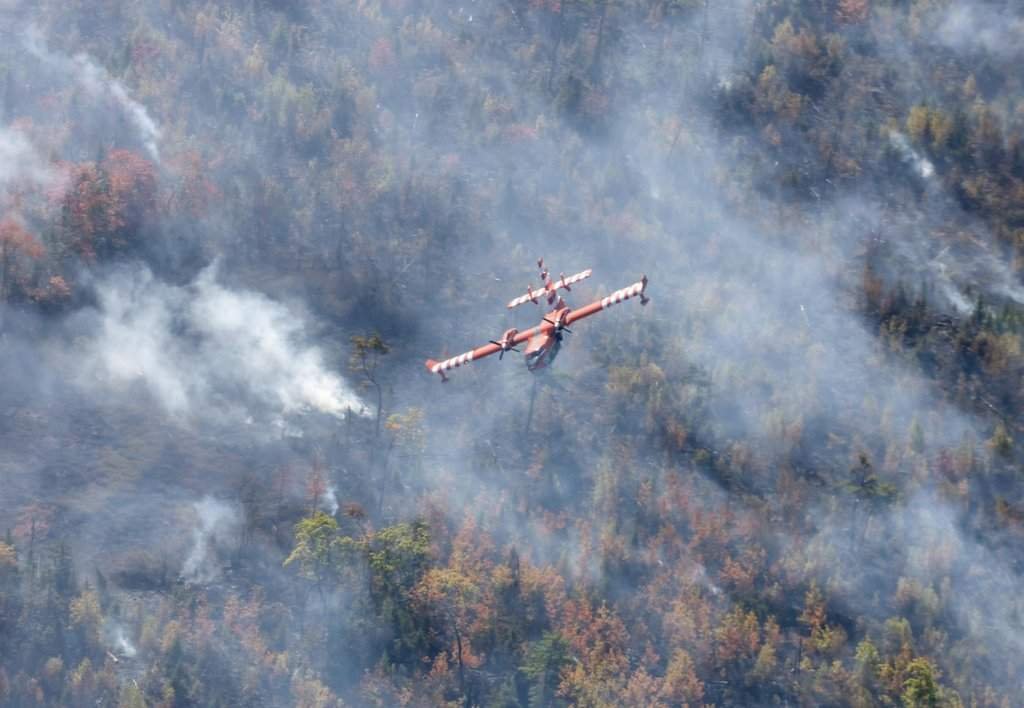
Maritimes Brace for Challenging Wildfire Season as Temperatures Rise
Overview/Introduction
Federal ministers delivered an update on Thursday indicating that Canada faces a challenging wildfire season, with more than 3,100 wildfires recorded so far this year and nearly 800 currently burning. Of those, sixty are considered out of control. Emergency Preparedness Minister Eleanor Olszewski noted that while conditions remain difficult, this year's activity has not reached the scale seen in 2025, providing a measure of perspective for regions such as the Maritimes.
Local officials across Nova Scotia and New Brunswick are urging residents to exercise caution during everyday activities like camping and barbecuing. Halifax Fire's District 5 chief John Lowe highlighted that rising summer temperatures are elevating the risk, even as overall fire counts in the region remain comparable to previous years. This federal-provincial coordination reflects Canada's established emergency management framework, where Ottawa supplies national projections while provinces retain primary responsibility for on-the-ground response.
The Maritimes are projected to fare better than many other parts of the country, yet officials stress that high temperatures can shift conditions rapidly. Above-normal precipitation expected in July offers some relief, but sustained heat continues to concern authorities. This interplay between federal forecasting and provincial preparedness underscores the importance of intergovernmental cooperation in addressing climate-driven hazards that increasingly affect Canadian communities from coast to coast.
National Context: A Challenging Season Across Canada
National projections released by federal ministers paint a picture of elevated wildfire activity across much of Canada, with more than 3,100 fires already documented and nearly 800 still active. Sixty of these fires are classified as out of control, demanding significant resources from provincial and territorial agencies. Emergency Preparedness Minister Eleanor Olszewski emphasized that the current season, though challenging, has not matched the intensity of 2025, allowing some regions to avoid the most severe impacts.
Quebec, Ontario, and the Northwest Territories are expected to experience the most intense fire weather conditions during July and August, placing heavy demands on federal support mechanisms such as the Canadian Interagency Forest Fire Centre. This distribution of risk illustrates how climate trends interact with Canada's vast geography, where federal resources often supplement provincial capacities during peak periods. The Department of Public Safety and Emergency Preparedness plays a central role in coordinating these national efforts.
Maritime provinces benefit from comparatively moderate forecasts, yet the national outlook serves as a reminder of interconnected vulnerabilities. Federal updates help premiers and provincial ministers allocate resources efficiently, reinforcing the collaborative model that has evolved through decades of shared emergency management experience. As temperatures rise, this framework enables timely information sharing between Ottawa and the regions most affected by changing weather patterns.
Maritime Outlook: Temperature, Precipitation and Risk Projections
Projections indicate that the Maritime provinces will experience less severe conditions than central and northern regions, though Nova Scotia faces slightly elevated risks in specific areas. Halifax, Cumberland, Colchester, and Cape Breton are forecast to see above-normal fire weather this month, escalating to well above normal in August. These localized assessments come from federal modelling that supports provincial planning across Atlantic Canada.
Above-normal precipitation anticipated for July provides a buffer against rapid fire spread, yet officials caution that high temperatures can override this advantage within days. John Lowe of Halifax Fire noted that the risk is increasing due to summer heat, prompting renewed emphasis on public awareness campaigns. This balance between precipitation and temperature reflects broader climate patterns influencing Canadian coastal regions, where federal and provincial meteorologists work together to refine seasonal outlooks.
Provincial authorities in Nova Scotia and New Brunswick integrate these national forecasts into their operational planning, demonstrating effective federal-provincial relations in emergency preparedness. The ability to anticipate shifts allows communities to maintain readiness without overextending resources. As climate variability continues to shape Canadian summers, such integrated forecasting becomes essential for protecting both urban centres and rural landscapes throughout the Maritimes.
Current Fire Activity Across Nova Scotia and New Brunswick
In Nova Scotia, 92 fires have been reported this year, with none currently burning, indicating that early-season activity has been contained effectively. New Brunswick recorded an early start with 300 fires, though the provincial dashboard shows only one still active. These figures suggest that Maritime fire management teams have responded promptly, consistent with the measured national assessment provided by federal ministers.
John Lowe confirmed that Halifax municipality's fire incidence remains on par with previous years, allowing crews to focus on prevention rather than large-scale suppression. The contrast with more intense activity elsewhere in Canada highlights how regional differences in weather and vegetation influence outcomes. Provincial dashboards serve as transparent tools that keep residents informed while supporting coordination with federal agencies when mutual aid is required.
Human activity remains a primary contributor to ignitions, reinforcing the need for ongoing public education across both provinces. Even with lower current activity levels, the potential for rapid escalation due to rising temperatures keeps emergency managers vigilant. This reality aligns with Canada's broader approach to wildfire governance, where provinces lead daily operations and the federal government supplies overarching situational awareness.
Provincial Preparedness: New Equipment and Investments
Nova Scotia Natural Resources Minister Tory Rushton stated that the province is well prepared thanks to substantial investments made over recent years. These include four new helicopters, additional water bombers, and a new agreement securing fixed-wing aircraft for the season. Such enhancements strengthen the province's capacity to respond quickly to any flare-ups that may develop under above-normal conditions.
These equipment acquisitions reflect ongoing efforts by provincial governments to modernize their wildfire response infrastructure in partnership with federal programs that sometimes provide funding or technical support. The presence of dedicated aircraft stationed for the season reduces response times and improves operational flexibility across Nova Scotia's varied terrain. This approach exemplifies how targeted provincial spending complements national forecasting provided by ministers in Ottawa.
New Brunswick officials similarly monitor conditions closely, drawing on shared lessons from interprovincial cooperation. The combination of new assets and established protocols positions the Maritimes to manage challenges without relying heavily on external assistance. Continued investment in these capabilities remains vital as climate trends place increasing pressure on Canada's emergency management systems at both federal and provincial levels.
Lessons from the Annapolis Valley Wildfire
Last summer's wildfire in the Annapolis Valley burned through 8,500 hectares, destroyed 20 homes, and forced the evacuation of hundreds of residents. Annapolis County Deputy Warden Dustin Enslow recalled the event's lasting impact, noting that the memory remains present whenever he drives through West Dalhousie. The destruction experienced by twenty families underscored the profound human consequences of uncontrolled fires.
The Annapolis Valley incident prompted renewed focus on community resilience and intergovernmental coordination between municipal, provincial, and federal authorities. Recovery efforts highlighted the importance of rapid resource deployment and sustained support for affected households. Such events serve as case studies within Canada's emergency management community, informing planning processes that now incorporate more detailed risk assessments for similar rural landscapes.
Enslow emphasized that the county came together in the aftermath, demonstrating the social cohesion that often emerges during crises. These experiences reinforce the value of proactive investment in prevention and preparedness, themes echoed by provincial ministers across the Maritimes. As temperatures climb this season, the lessons from last year's fire continue to guide operational decisions at every level of government.
What This Means for Maritime Communities
Communities throughout Nova Scotia and New Brunswick are being reminded that even moderate national forecasts require local vigilance. Rising temperatures can transform manageable situations into serious threats within a short period, affecting everything from tourism to agricultural operations. Federal and provincial officials stress that preparedness must extend beyond firefighting crews to include everyday residents who enjoy the outdoors.
The economic and social fabric of Maritime regions depends on stable conditions during the summer months, when outdoor recreation and resource industries contribute significantly to local economies. Effective communication between provincial natural resources departments and municipal fire services helps maintain this stability. This layered governance model allows communities to adapt quickly while benefiting from national situational awareness provided by ministers such as Eleanor Olszewski.
Residents are encouraged to remain attentive to changing conditions, particularly in areas projected to experience well-above-normal risk in August. The combination of federal projections, provincial equipment upgrades, and community-level awareness creates a comprehensive defence against potential wildfire impacts. This integrated approach reflects Canada's longstanding commitment to collaborative emergency management across jurisdictions.
Safety Guidance and Public Responsibility
John Lowe advises that when provincial restrictions permit burning, residents can reduce risks by using seasoned dry wood to minimize sparks. Keeping buckets of water or a garden hose nearby, along with ensuring a responsible adult supervises the fire, further lowers the chance of unintended spread. Complete extinguishment before leaving any site remains essential to prevent overnight flare-ups.
Dustin Enslow echoes these recommendations, drawing on his community's direct experience with the consequences of uncontrolled fires. Human activity continues to represent a leading cause of ignitions, making individual responsibility a critical component of overall wildfire management. Provincial and municipal officials regularly reinforce these messages through public campaigns that align with federal safety guidelines.
By following established precautions, Maritime residents contribute to the collective effort of keeping fire activity contained. These practical steps complement the substantial investments in helicopters, water bombers, and fixed-wing aircraft described by Minister Tory Rushton. Together, equipment modernization and public vigilance form the foundation of an effective response strategy suited to the region's projected conditions this season.
Tags: wildfires, Maritimes, Nova Scotia, New Brunswick, emergency preparedness, climate, federal-provincial relations
By Alex Thompson, Staff Writer
This article was produced with AI-assisted research and editorial support. Reporting is based on sources cited in the article.
What's Your Reaction?
 Like
0
Like
0
 Dislike
0
Dislike
0
 Love
0
Love
0
 Funny
0
Funny
0
 Wow
0
Wow
0
 Sad
0
Sad
0
 Angry
0
Angry
0

Canada Correspondent at Global1.News. Based in Toronto, covering Canadian politics, energy, trade, and US-Canada relations. Provides the Canadian perspective on North American and global affairs.













Comments (0)