
Gulf of Paria widens as Trinidad pours oil on troubled Venezuelan waters - 18 Jun 2026
Gulf of Paria widens as Trinidad pours oil on troubled Venezuelan waters The Spill Detection and Immediate Response On May 1, Heritage Petroleum Company Limited detected an oil spill at its offshore Main Field operation in the Gulf of Paria at approximately 7:25 a.m. The company immediately notified Trinidad and Tobago's Ministry of Energy and Energy Industries, the Coast Guard
The Spill Detection and Immediate Response
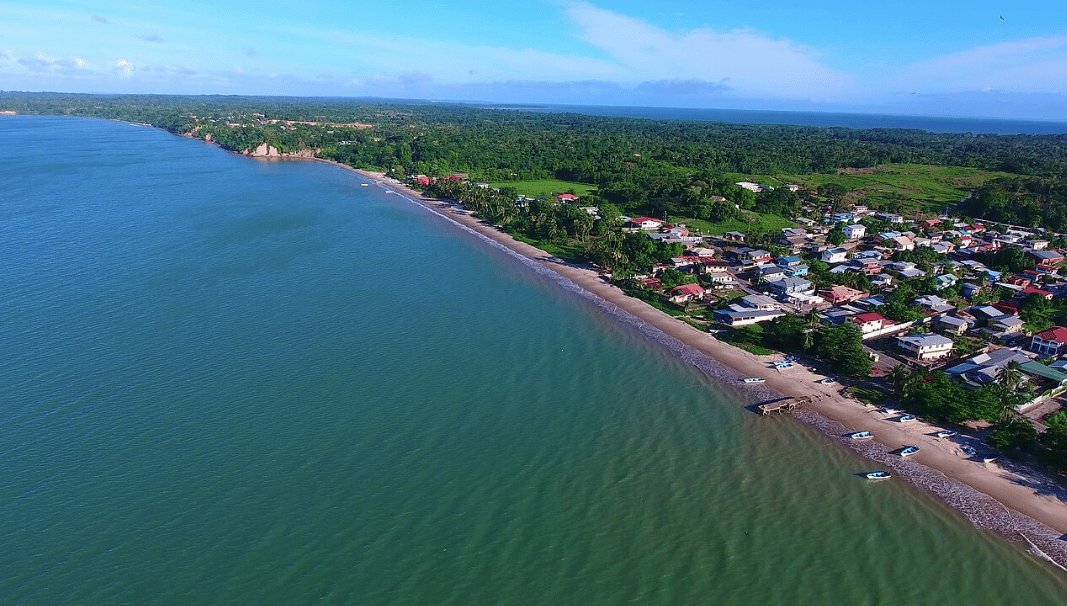
On May 1, Heritage Petroleum Company Limited detected an oil spill at its offshore Main Field operation in the Gulf of Paria at approximately 7:25 a.m. The company immediately notified Trinidad and Tobago's Ministry of Energy and Energy Industries, the Coast Guard, and the Environmental Management Authority. Trinidad estimates that approximately 10 barrels were spilled, with the leak stopped the same day and the operation repaired and returned to service on May 2. This quick containment reflects the operational realities faced by energy workers in our waters, where every barrel counts toward household incomes and national revenue in a time of rising living costs across the Caribbean.
Trinidad's own spill trajectory modelling showed that if left untreated, hydrocarbons could have crossed into Venezuelan waters. Chemical dispersants were deployed approximately 6-8 nautical miles from the Trinidad-Venezuela maritime border. Follow-up drone and vessel inspections reportedly found no visible hydrocarbons remaining on the surface. Yet the incident remained undisclosed publicly until Venezuela raised concerns, leaving communities on both sides of the Gulf wondering how such events are managed when they touch shared resources that sustain families from Port of Spain to Sucre state.
Venezuela Raises the Alarm Internationally
Venezuela's Foreign Minister Yván Gil went public on May 12, demanding information and compensation from Trinidad and Tobago. Satellite imagery from Caracas showed a slick originating from Trinidad, including images from April 28, days before Trinidad's official May 1 detection date. Acting President Delcy Rodríguez ordered a multidisciplinary team of environmental specialists, biologists and naval personnel to affected areas. These steps highlight how environmental incidents in the Gulf quickly move from technical matters to matters of national honour and regional diplomacy.
The timing coincides with global energy price volatility that affects every Caribbean nation dependent on oil and gas revenues. Trinidad and Tobago, as a major energy producer with operations tied to the legacy of Petrotrin, understands the pressures, yet the lack of early transparency has strained neighbourly ties. For families in fishing communities, such disputes remind us that the sea connects us more than it divides us, even when official channels move slowly.
Trinidad's Modelling and Containment Measures
Trinidad maintains that the incident was a minor, quickly contained 10-barrel spill. Heritage Petroleum's response involved notifying the relevant authorities without delay, and the company returned the field to service within 24 hours. The use of chemical dispersants at a safe distance from the border was intended to prevent wider spread, and inspections confirmed no remaining surface hydrocarbons. These actions demonstrate the technical capacity built over decades of offshore work in the Gulf of Paria.
Still, the satellite evidence presented by Venezuela raises questions about detection timelines that affect trust between the two nations. Hurricane season, which runs from June to November, adds further risk to offshore operations, as storms can turn small leaks into larger threats. Communities in Trinidad know too well how quickly weather can disrupt energy production and local livelihoods, making early cross-border communication essential rather than optional.
Potential Impacts on Venezuelan Territories
Venezuela warns of impacts across 1,625 square kilometres spanning 12 strategic wetland systems, four national parks, and the livelihoods of more than 500 fishermen in Sucre and Delta Amacuro states. These areas support families who depend on the Gulf's marine resources for daily sustenance and income. The potential reach of even a small spill underscores how environmental incidents in shared waters can ripple through entire coastal communities on both sides of the border.
The Gulf of Paria has long supported fishing traditions that predate modern energy extraction. When hydrocarbons threaten wetlands and parks, they also threaten the cultural fabric that binds Caribbean people to the sea. Trinidadian readers will recognise similar concerns in our own coastal villages, where any threat to marine life touches food security and the next generation's prospects.
Diplomatic and Legal Dimensions
The diplomatic row exposes long-standing vulnerabilities in bilateral environmental governance between Trinidad and Tobago and Venezuela. Venezuela frames its demands explicitly under international environmental law, seeking both information and compensation. Port of Spain strongly disputes the scale of the threat, describing the spill as minor and contained. This exchange reveals how technical assessments can quickly become points of contention when borders and ecosystems overlap.
For the wider Caribbean, the dispute highlights the need for pre-agreed notification and response frameworks for offshore oil and gas activity in shared maritime zones. CARICOM has been pushing for stronger environmental governance, recognising that small island developing states face common risks from energy operations. Without clearer protocols, incidents like this one risk escalating beyond the technical into matters of regional solidarity.
Heritage Petroleum's Legacy and Operations
Heritage Petroleum is the successor to Petrotrin, Trinidad's state oil company restructured in 2018. The company continues operations in the Gulf of Paria that contribute significantly to government revenue, economic stability, and employment across the nation. These activities remain central to Trinidad and Tobago's identity as an energy producer, even as global markets fluctuate and local families feel the pinch of inflation.
The restructuring of the energy sector brought new operational standards, yet cross-border incidents remind us that legacy infrastructure and shared waters require ongoing vigilance. Workers at Heritage Petroleum and their families understand the balance between production targets and environmental responsibility. When disputes arise with neighbours, they affect not only diplomacy but also the sense of security that comes from stable energy jobs in uncertain times.
Broader Caribbean Implications
The Gulf of Paria dispute coincides with CARICOM efforts to strengthen regional cooperation on environmental matters. Shared maritime zones demand coordinated responses, especially as hurricane season approaches and climate change intensifies risks for small island developing states. Trinidad and Tobago's position as an energy hub places it at the centre of these conversations, where lessons from one incident can inform practices across the region.
Post-pandemic tourism recovery and cost-of-living pressures make stable energy revenues even more vital. Yet environmental incidents can undermine confidence in the sector if not handled transparently. Caribbean nationals in the diaspora, particularly in the US, Canada and UK, watch these developments closely, knowing that regional stability affects remittances and family connections back home.
The Path Forward for Bilateral Relations
Long-standing vulnerabilities in environmental governance between Trinidad and Tobago and Venezuela require practical steps toward better notification protocols. The current row shows how quickly a contained spill can become a matter of international concern when satellite imagery and formal demands enter the picture. Both nations share an interest in protecting the Gulf's ecosystems that support fishermen, wetlands and national parks on either side.
Strengthening frameworks through CARICOM channels could prevent future misunderstandings while respecting each country's sovereignty. For communities in Trinidad and across the Caribbean, the goal remains clear: safe energy operations that protect livelihoods without compromising the waters that connect us all. This incident serves as a reminder that cooperation, rather than confrontation, best serves the people who call these shores home.
By Sharon Sahatoo, Staff WriterThis article was produced with AI-assisted research and editorial support. Reporting is based on sources cited in the article.
What's Your Reaction?
 Like
0
Like
0
 Dislike
0
Dislike
0
 Love
0
Love
0
 Funny
0
Funny
0
 Wow
0
Wow
0
 Sad
0
Sad
0
 Angry
0
Angry
0

Caribbean Correspondent at Global1.News. Based in Port of Spain, Trinidad, covering Caribbean politics, economy, energy, climate, and culture. Amplifying the voices and stories of the Caribbean region.











Comments (0)