
Government Mis-Sold Student Loans to 5.8 Million Borrowers, MPs Find
The Treasury Select Committee has laid bare an industrial-scale mis-selling operation by the Department for Education and the Student Loans Company, affecting 5.8 million borrowers who took out Plan 2 loans between 2012 and 2023. With an outstanding balance now standing at £213 billion, the cross-party report published on 7 July 2026 brands official communications as “deeply pr
Government Mis-Sold Student Loans to 5.8 Million Borrowers, MPs Find
London, UK - 8 July 2026 - A damning cross-party report from the Treasury Select Committee has accused the Department for Education and the Student Loans Company of systematically misleading millions of students about the true terms of their loans. The findings, published yesterday, expose how official materials compared monthly repayments to everyday consumer contracts while omitting critical details about potential government changes to repayment rules. Dame Meg Hillier, the Labour MP who chairs the committee, described the communications as a deliberate attempt to downplay long-term financial burdens on younger generations.
The Scale of the Mis-Selling: 5.8 Million Borrowers and 213 Billion Pounds
Plan 2 loans, introduced in September 2012 and covering students in England and Wales only, now account for the vast majority of the £213 billion outstanding student debt. Unlike Plan 1 loans taken out before September 2012, which carry a repayment threshold of £26,900, or the newer Plan 5 loans introduced from August 2023 with a threshold of £25,000, Plan 2 borrowers face a threshold frozen at £29,385 since 2021. This freeze has left millions paying 9% of earnings above that level without the annual uprating to average earnings that once protected lower-paid graduates.
The report highlights how 5.8 million individuals signed agreements under terms that ministers later altered without clear disclosure. Most borrowers will never repay their full balance within the 30-year write-off period, yet the debt continues to affect credit scores and mortgage applications across the country. Regional disparities are stark: graduates in London and the South East often earn enough to make payments, while those in the North and Wales face prolonged balances that grow through interest.
Committee members noted that the government chose the politically convenient route of shifting costs onto younger workers rather than confronting the rising expense of higher education. This approach has left the Student Loans Company managing a system where repayment is income-contingent but the underlying terms remain opaque to those who signed up years earlier.
'Deeply Problematic' Communications: Mobile Phones and Cinema Trips
Official materials repeatedly compared monthly student loan repayments to a £14 mobile phone contract, cinema trips, broadband subscriptions and a £10 night out. YouTube videos aimed at teenagers used these everyday analogies to portray the loans as affordable and low-risk, without explaining that governments could later change repayment thresholds or interest rates after borrowers had signed. The report found these comparisons amounted to mis-selling because they presented the loans as fixed consumer products rather than state-backed obligations subject to political decisions.
Dame Meg Hillier stated that the failure to disclose the possibility of term changes was a central flaw in the communications strategy. Borrowers were never informed that the repayment threshold could be frozen, as it has been since 2021, or that interest rates could rise sharply for higher earners. This omission left students making decisions based on incomplete information that ministers knew could be altered.
The Student Loans Company has since acknowledged the importance of clear information, yet the report criticises both the DfE and the company for prioritising recruitment into higher education over transparent disclosure. Future communications must be rewritten entirely, the committee concluded, to prevent further generations from entering agreements under false impressions of stability.
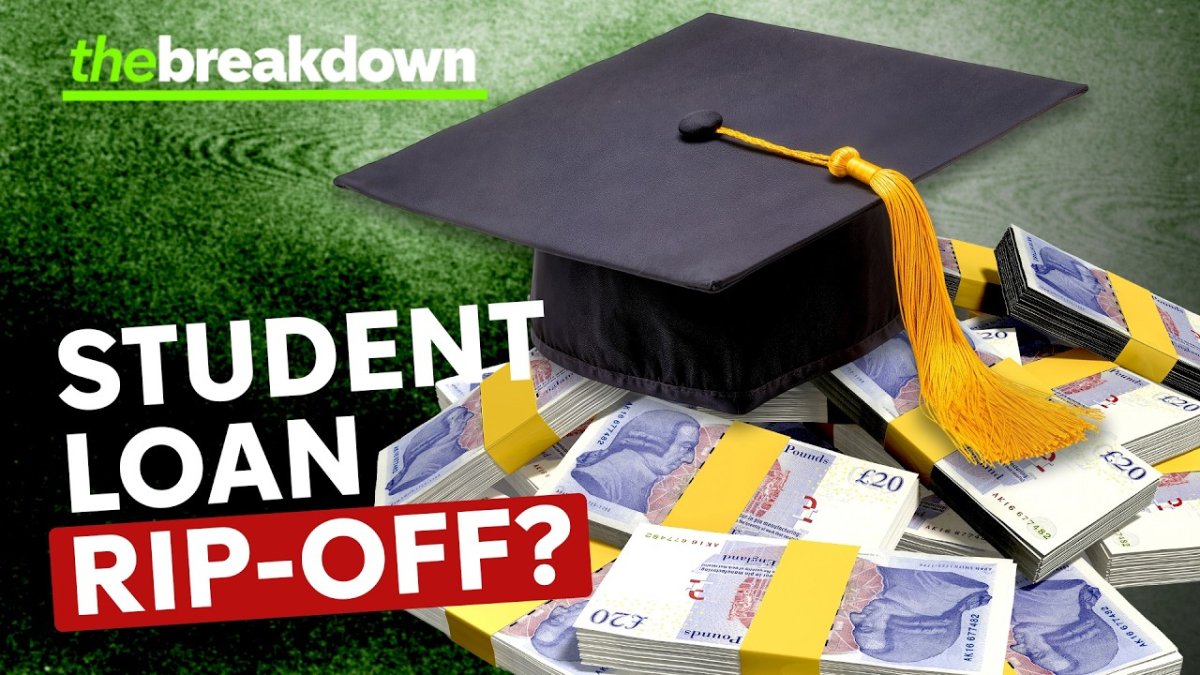
The Real Cost: Interest Rates and the Frozen Threshold
Under Plan 2 rules, borrowers earning £52,885 or more pay interest at RPI plus 3%, currently 6.2%, though this will be capped at 6% from 2026-27 following the April 2026 announcement. Lower earners pay RPI only, currently 3.2%. These rates apply while the repayment threshold remains frozen at £29,385, meaning even modest salary increases trigger payments without the protection of indexation to average earnings that existed in earlier plans.
The contrast with Plan 1 and Plan 5 is significant. Plan 1 borrowers benefit from a lower threshold but historically more stable terms, while Plan 5 graduates face a £25,000 threshold from the outset. Plan 2 borrowers, caught in the middle, have seen their effective burden increase through the combination of frozen thresholds and uncapped interest until the recent 6% limit. Monthly payments for a graduate earning £40,000 stand at roughly £79, yet the balance often grows rather than shrinks.
Analysis by the committee shows that the interest mechanism disproportionately affects those who experience career breaks or regional wage differences. Without restoration of the link between the threshold and average earnings, the report warns, the system will continue to penalise graduates outside high-wage sectors.
Political Fallout: Cross-Party Condemnation and Defiance
The report’s cross-party nature underscores the breadth of concern, with Conservative, Labour and other MPs uniting to criticise the DfE’s approach. Dame Meg Hillier emphasised that ministers had loaded burdens onto younger generations in the hope they would not notice until repayment began. This political calculation has now come under sustained scrutiny from the Treasury Select Committee.
Chancellor Rachel Reeves defended the current system as “fair and reasonable,” arguing that income-contingent repayments protect the lowest earners. However, Labour members of the committee joined their opposition counterparts in calling for urgent reform, highlighting the tension between Treasury fiscal policy and the lived experience of graduates across England and Wales.
The report urges the DfE to rewrite all future communications and examines options including retrospective threshold adjustment, interest reduction and repayment holidays. Pressure is mounting on the Treasury to address the £213 billion balance before it grows further through compounding interest.
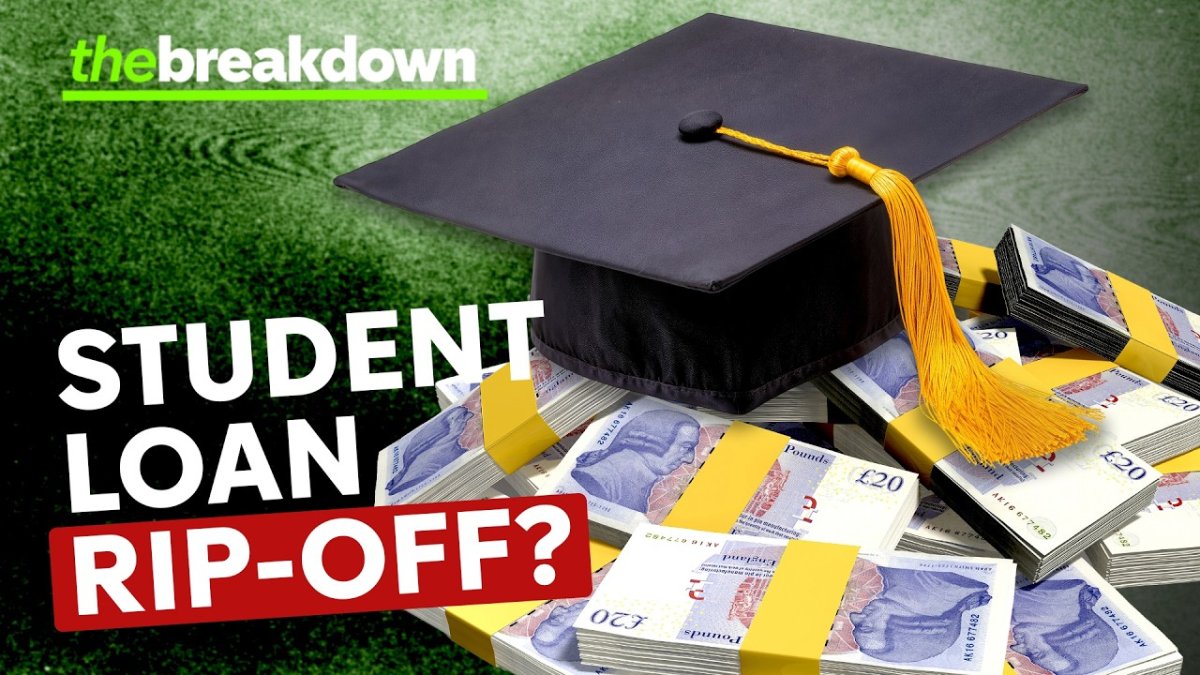
'It Stopped Me Getting a Mortgage' - The Human Toll
Borrowers interviewed for the report described how outstanding Plan 2 debt has blocked mortgage applications, particularly in London and the South East where property prices remain highest. In northern cities and parts of Wales, the same balances limit career mobility as graduates weigh whether additional training or relocation is financially viable. Ollie Gardner, founder of Rethink Repayment, told Channel 4 News that the debt acts as a permanent drag on financial planning for an entire generation.
The 30-year write-off offers little comfort to most borrowers, as the report confirms the majority will never clear their loans. This creates a shadow liability that affects creditworthiness long after university, with lenders viewing the growing balance as a risk factor even when repayments are modest.
Regional differences compound the problem. Graduates in lower-wage areas pay less each month but see balances rise faster through interest, while those in higher-earning professions face steeper monthly deductions without any guarantee the threshold will rise with earnings.
What Happens Next: Reform on the Horizon?
The committee recommends immediate changes to disclosure rules and calls for the restoration of the link between the repayment threshold and average earnings. Options under examination include retrospective adjustment of the £29,385 threshold, reductions in interest rates for existing Plan 2 borrowers and the introduction of repayment holidays during periods of low income or career transition.
Legislative changes will be required to implement many of these proposals, particularly any retrospective measures that alter the terms of existing contracts. The 6% interest cap announced in April 2026 represents a partial concession, yet campaigners argue it does not address the core issue of the frozen threshold.
The Student Loans Company has stated it recognises the need for clearer information, but the report insists that structural reform, not merely improved marketing, is required to restore trust in the system. Campaigners are pressing for swift action before another cohort enters higher education under similar terms.
The Bottom Line - A Generation Left to Pay
The Treasury Select Committee’s findings reveal a structural injustice embedded in the financing of higher education since 2012. By presenting Plan 2 loans through misleading consumer analogies and omitting the reality of ministerial power to alter terms, the DfE and Student Loans Company shifted risk onto borrowers who had little choice but to accept the official narrative.
For the 5.8 million affected individuals across England and Wales, the £213 billion balance represents more than a financial figure; it shapes decisions about housing, family formation and career paths. The cross-party consensus on the need for reform offers some hope, yet the pace of change will determine whether this generation continues to carry the cost of politically convenient policy choices.
By Erica Thornton, Staff Writer
This article was produced with AI-assisted research and editorial support. Reporting is based on sources cited in the article.
What's Your Reaction?
 Like
0
Like
0
 Dislike
0
Dislike
0
 Love
0
Love
0
 Funny
0
Funny
0
 Wow
0
Wow
0
 Sad
0
Sad
0
 Angry
0
Angry
0

US Politics and Policy Correspondent at Global1.News. Based in Washington DC, covering American politics, policy, elections, and the courts. Knows how the system works and tells you what it actually means.















Comments (0)