
Global Ocean Temperatures Hit Record High in June 2026: What This Means for India
Global Ocean Temperatures Shatter June Records Amid Strengthening El Niño Global daily sea surface temperatures reached unprecedented levels in June 2026, according to data from the Copernicus Climate Change Service (C3S). The record-breaking warmth, fueled by a rapidly intensifying El Niño, has exceeded previous benchmarks set in 2015, 1997, and 1982 at comparable stages of de
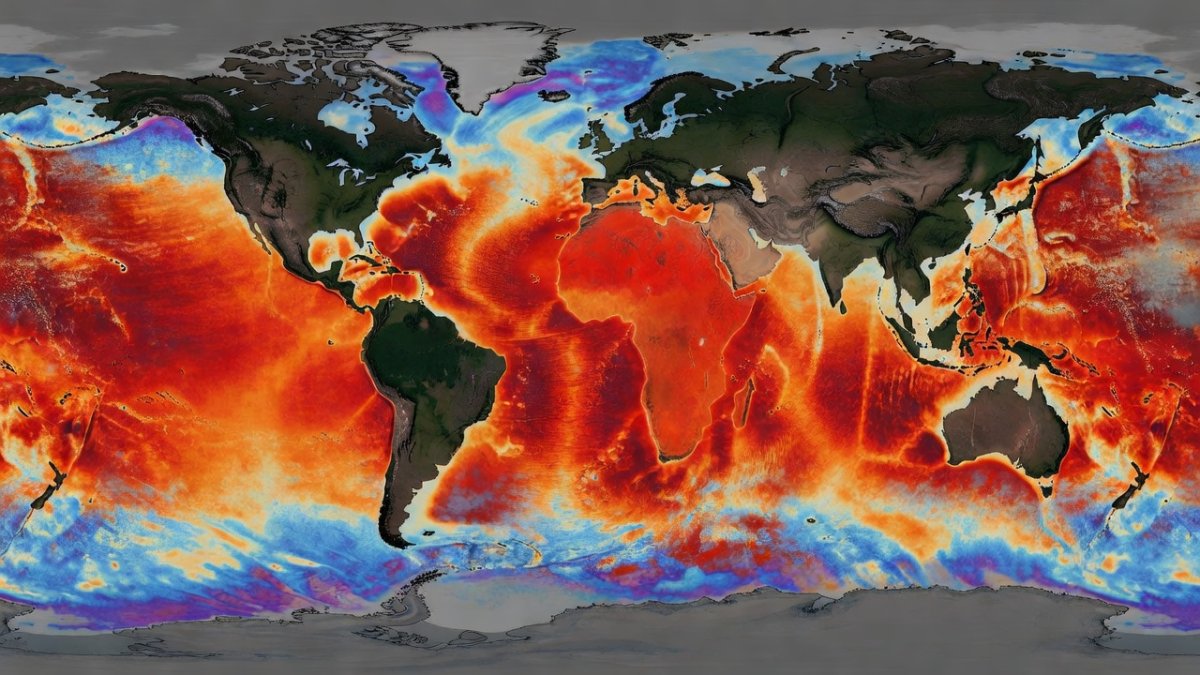
Global Ocean Temperatures Shatter June Records Amid Strengthening El Niño
Global daily sea surface temperatures reached unprecedented levels in June 2026, according to data from the Copernicus Climate Change Service (C3S). The record-breaking warmth, fueled by a rapidly intensifying El Niño, has exceeded previous benchmarks set in 2015, 1997, and 1982 at comparable stages of development. This event is already being described by scientists at the National Institute of Oceanography (NIO) as potentially one of the most powerful climate phenomena observed in decades.
The Ministry of Earth Sciences has noted that hotter oceans are directly influencing atmospheric patterns worldwide, with immediate consequences for monsoon dynamics over the Indian subcontinent. These elevated temperatures are expected to sustain through the coming months, amplifying risks for weather extremes across South Asia.
India's June Monsoon Opens with Sharp Rainfall Deficit
The India Meteorological Department (IMD) has confirmed that the 2026 monsoon season began with a 40% rainfall deficit across large parts of the country. This shortfall aligns with historical patterns where El Niño events coincide with drought years, particularly affecting the critical June-July period when sowing decisions are made.
Central India and the Deccan plateau have been hardest hit, with states including Rajasthan, Gujarat, Maharashtra, Karnataka, Uttar Pradesh, Madhya Pradesh, Chhattisgarh, and Telangana reporting significantly below-normal precipitation. The IMD attributes the weak start directly to the developing El Niño conditions in the Pacific.
Agricultural Output and Food Security Under Threat
Rainfed crops such as rice, maize, soybean, pulses, millet, cotton, and sugarcane face heightened vulnerability due to the moisture deficit. The Indian Council of Agricultural Research (ICAR) has warned that prolonged dry spells could reduce yields substantially if the El Niño strengthens further into a super event.
The Ministry of Agriculture is monitoring reservoir levels and groundwater recharge closely, as lower farm output would likely push food prices higher in the coming quarters. Historical data shows that El Niño years have repeatedly led to inflationary pressures on essential commodities in India.
Heatwaves and Public Health Strain Intensify
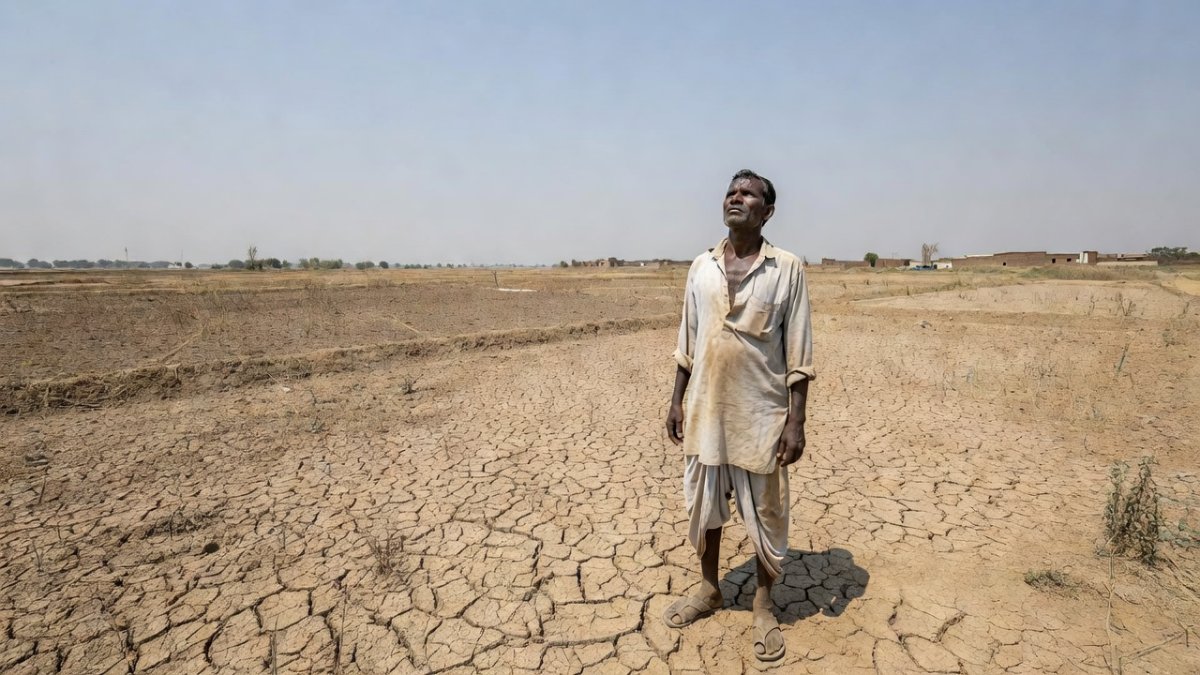
Pre-monsoon heatwaves have already claimed 128 lives across India this season, with three additional deaths reported in Himachal Pradesh in the latest week. Elevated ocean temperatures are contributing to a more humid atmosphere, making heat stress more dangerous for vulnerable populations in both urban and rural areas.
Public health authorities are preparing for extended periods of extreme heat as the monsoon remains erratic. The combination of high humidity and above-normal temperatures increases risks of heat-related illnesses, particularly in densely populated regions of central and western India.
Power Grid and Economic Pressures Mount
A weaker monsoon threatens hydropower generation and increases electricity demand for cooling, placing additional strain on India's power grid. The Ministry of Earth Sciences has highlighted that sustained high ocean temperatures could prolong these conditions, raising the likelihood of supply disruptions during peak summer months.
Economists warn that reduced agricultural production combined with higher energy costs could slow rural consumption and affect overall GDP growth. Policymakers are already evaluating contingency measures to stabilize food supplies and manage grid load.
Coastal Cyclone Risks Rise with Warmer Oceans
Hotter sea surfaces are fueling stronger tropical cyclones along India's coastline, according to NIO assessments. The more humid atmosphere created by record ocean temperatures also heightens the potential for intense rainfall events once the monsoon eventually strengthens, increasing flood risks in coastal states.
The Ministry of Earth Sciences continues to coordinate with state disaster management agencies to enhance early warning systems. As the El Niño evolves, India faces a complex mix of drought, heat, and cyclone threats that will require coordinated national response through the remainder of 2026.
-- By Dr. Raj Patel, Staff Writer
This article was produced with AI-assisted research and editorial support. Reporting is based on sources cited in the article.
What's Your Reaction?
 Like
0
Like
0
 Dislike
0
Dislike
0
 Love
0
Love
0
 Funny
0
Funny
0
 Wow
0
Wow
0
 Sad
0
Sad
0
 Angry
0
Angry
0

Caribbean Correspondent at Global1.News. Based in Port of Spain, Trinidad, covering Caribbean politics, economy, energy, climate, and culture. Amplifying the voices and stories of the Caribbean region.















Comments (0)