
France opens war crimes probe over Israel's mistreatment of activists
France has opened a formal war crimes investigation into Israel's treatment of French nationals intercepted aboard a Gaza-bound aid flotilla, in a move that escalates European scrutiny of Israeli maritime enforcement operations and raises new questions about the legal framework governing the blockade of the Palestinian territory. France Opens War Crimes Probe Over Israeli Treat
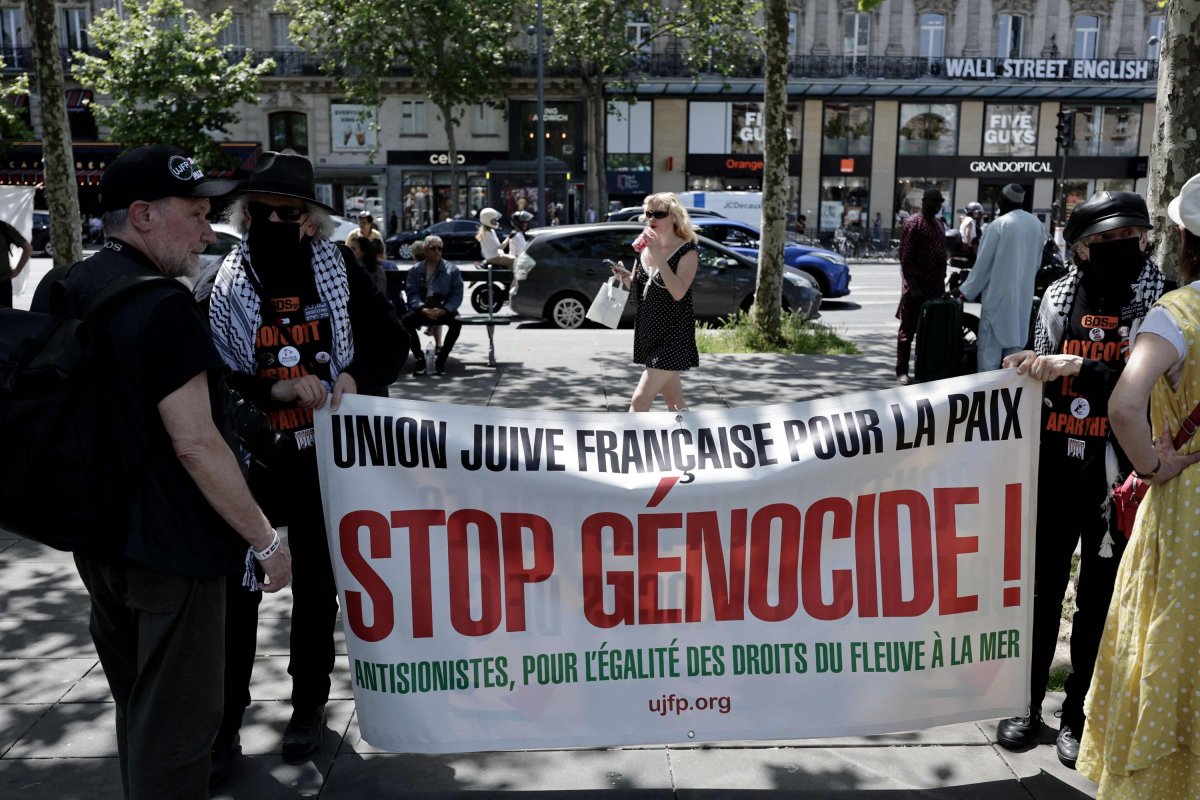
France has opened a formal war crimes investigation into Israel's treatment of French nationals intercepted aboard a Gaza-bound aid flotilla, in a move that escalates European scrutiny of Israeli maritime enforcement operations and raises new questions about the legal framework governing the blockade of the Palestinian territory.
France Opens War Crimes Probe Over Israeli Treatment of Gaza Flotilla Activists
Paris, France – June 5, 2026 —
The flotilla incident and French war crimes probe
French prosecutors have opened an investigation into war crimes and torture linked to Israel's treatment of French nationals who participated in a Gaza-bound aid flotilla. The national counterterrorism prosecutor's office, known as PNAT, confirmed the probe was opened at the government's request following accusations from activists about their detention last month.
Israel detained more than 430 activists from countries around the world after intercepting them in international waters on May 18. The operation targeted the latest attempt to break the blockade of the Palestinian territory. Several French activists returned on May 22 and described a violent and humiliating ordeal, with two of more than 30 French participants still receiving hospital care in Turkiye.
The strategic decision by French authorities to initiate this inquiry reflects a calculated response to domestic pressure and broader European concerns about accountability in maritime interceptions. By involving the PNAT, France signals that allegations of mistreatment during such operations warrant formal scrutiny under counterterrorism frameworks, even when they occur far from French soil.
Israeli response and Ben Gvir's role
Israel's far-right National Security Minister, Itamar Ben Gvir, posted a video mocking the flotilla activists while they were bound, an action that drew widespread condemnation. France responded by banning Ben Gvir from entry over the incident, underscoring how individual ministerial conduct can directly affect bilateral diplomatic channels.
One returnee described a soldier groping and slapping her in a dark container, leaving her terrified of potential rape. Another recounted activists being placed in stress positions on their knees with foreheads on the ground for several hours while the Israeli national anthem played repeatedly. These accounts form the core evidence prompting the French investigation.
Ben Gvir's public actions illustrate a deliberate political calculus aimed at domestic constituencies, yet they carry external costs that extend to European capitals. The resulting entry ban demonstrates how such gestures can accelerate legal and diplomatic repercussions beyond the immediate theater of operations.
The Gaza blockade — historical and humanitarian context
The interception occurred amid ongoing efforts to deliver humanitarian assistance to the blockaded Palestinian enclave. Activists framed their voyage as part of repeated attempts to challenge restrictions that have limited the flow of goods into Gaza for years.
France's decision to open the probe connects directly to these longstanding access constraints and the humanitarian consequences they produce. The presence of French nationals among the more than 430 detainees highlights how the blockade continues to draw international participants and generate legal fallout for involved states.
Strategic calculations around the blockade involve balancing security imperatives with the political and legal risks of detaining civilians from European countries. The French investigation suggests that European governments are increasingly prepared to examine the conduct of such operations through the lens of international standards.
International law and war crimes dynamics
Francesca Albanese, the outspoken UN expert on the Palestinian territories, stated that the treatment of the flotilla activists "is a luxury compared to what is inflicted on Palestinians in Israeli prisons." Her comparison places the May 18 events within a wider pattern of detention practices that have drawn sustained international attention.
The French probe into war crimes and torture allegations tests the boundaries of how states apply universal jurisdiction principles to incidents involving their citizens. By focusing on the treatment of French nationals, the investigation avoids broader political questions while still engaging core legal issues around detention and interrogation methods.
Regional actors recognize that such inquiries can influence future operational planning by Israeli authorities. The involvement of the PNAT indicates France is treating these claims with the same procedural seriousness applied to other counterterrorism-related matters, potentially setting precedents for similar cases.
European-Israeli relations under strain
The entry ban imposed on Itamar Ben Gvir represents a tangible diplomatic measure that goes beyond verbal statements. It signals that European governments may respond to specific incidents with targeted restrictions when they involve mistreatment allegations against their citizens.
France's request for a formal investigation reflects a strategic effort to manage domestic expectations while maintaining structured engagement with Israel. The timing, following the May 22 return of activists, shows how quickly individual cases can translate into institutional responses.
European capitals continue to weigh the value of security cooperation against the reputational and legal risks associated with public controversies over Gaza-related operations. The current probe adds another layer to this ongoing calibration without necessarily halting existing channels of dialogue.
Regional implications for the Middle East
The French investigation connects to wider Israeli-Palestinian dynamics by spotlighting how maritime enforcement actions reverberate beyond the immediate region. Activists from multiple countries, including more than 30 French participants, ensure that such incidents attract attention from governments outside the Middle East.
Turkey's role in providing hospital care for two injured French activists further illustrates the transnational character of these events. The medical assistance offered in Turkiye underscores how neighboring states become involved in the aftermath of interception operations.
Over time, repeated legal inquiries from European states could influence the cost-benefit calculations of all parties engaged in the Gaza blockade. The French move demonstrates that humanitarian flotilla attempts, even when unsuccessful, continue to generate strategic consequences that extend into international legal arenas.
By Malik Hassan, Staff WriterThis article was produced with AI-assisted research and editorial support. Reporting is based on sources cited in the article.
What's Your Reaction?
 Like
0
Like
0
 Dislike
0
Dislike
0
 Love
0
Love
0
 Funny
0
Funny
0
 Wow
0
Wow
0
 Sad
0
Sad
0
 Angry
0
Angry
0
Middle East Correspondent at Global1.News. Based in Beirut, covering politics, conflict, energy, and society across the Middle East. Brings context and depth to a region often reduced to headlines.














Comments (0)