
Four Rescued, Six Missing After Charter Boat Sinks Near Vancouver
Four Rescued, Six Missing After Charter Boat Sinks Near Vancouver The incident unfolded on Sunday when a charter boat began taking on water near Roberts Bank around 11:45 a.m. According to the B.C. RCMP, it is believed that ten people were on board the vessel at the time. The search continues approximately 10 nautical miles southwest of Vancouver International Airport in the wa
Four Rescued, Six Missing After Charter Boat Sinks Near Vancouver
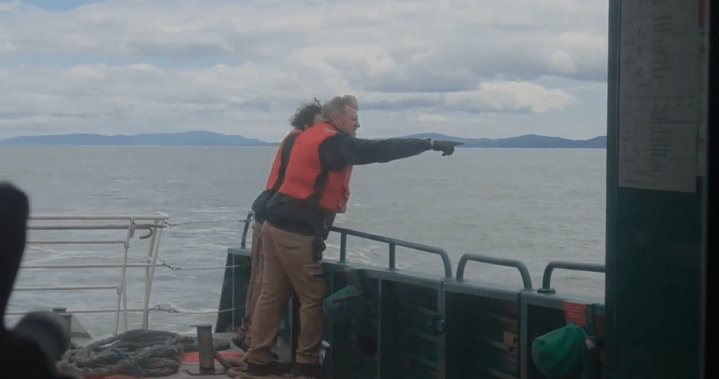
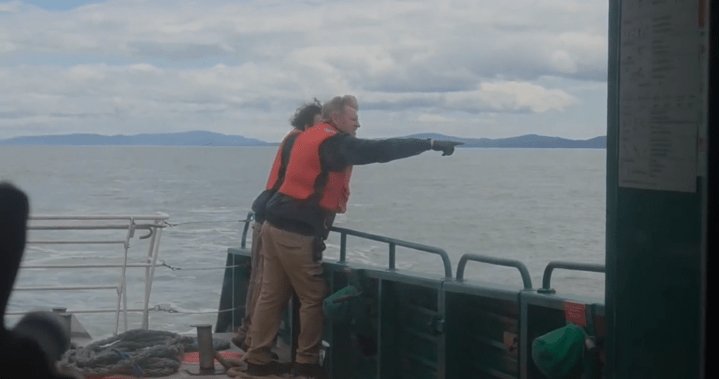
The incident unfolded on Sunday when a charter boat began taking on water near Roberts Bank around 11:45 a.m. According to the B.C. RCMP, it is believed that ten people were on board the vessel at the time. The search continues approximately 10 nautical miles southwest of Vancouver International Airport in the waters off Sea Island.
Four individuals have been rescued and transported to hospital for medical treatment. Six others remain missing as operations extend into the evening hours. The Canadian Armed Forces Joint Rescue Coordination Centre in Victoria received notification from a civilian vessel reporting several people in the Strait of Georgia without personal flotation devices.
Immediate Response from Multiple Agencies
A CH-149 Cormorant helicopter and CC-295 Kingfisher aircraft from 19 Wing Comox were dispatched alongside the Canadian Coast Guard Hovercraft Siyay and the Main Lifeboat Station Ganges. These federal assets joined the effort quickly after the initial alert. The Royal Canadian Marine Search and Rescue Auxiliary stations 6, 7 and 8 were also activated to support the search.
Two boats from West Coast Marine Services provided additional assistance on the water. An RCMP Black Hawk helicopter and an H145 Airbus helicopter supplemented the aerial coverage. Passenger ferries operated by BC Ferries and Hullo Ferries were diverted from their regular routes between Vancouver Island and the Lower Mainland to aid in locating survivors.
Coordination among these groups reflects standard procedures for marine emergencies in British Columbia. The combination of military, coast guard, police and auxiliary resources allows for coverage across a wide area of the Strait of Georgia.
Federal-Provincial Coordination in Action
The B.C. RCMP statement highlights the provincial policing role that integrates with federal search and rescue frameworks. The Joint Rescue Coordination Centre in Victoria serves as the central point for directing Canadian Armed Forces and Canadian Coast Guard assets during such events. This structure ensures that local reports reach national response teams without delay.
Federal resources from 19 Wing Comox operate under the authority of the Canadian Armed Forces while working directly with provincial police. The involvement of the Royal Canadian Marine Search and Rescue Auxiliary further extends capacity through trained volunteers who operate under federal guidelines. Such layered coordination is essential in waters where jurisdiction overlaps between provincial and federal mandates.
BC Ferries, as a provincial crown corporation, demonstrates how public transportation networks can be redirected to support emergency operations. This flexibility strengthens overall marine safety across the region when incidents occur near major ferry corridors.
Search Operations Across the Strait of Georgia
Operations remain focused on the area 10 nautical miles southwest of Vancouver International Airport. The Canadian Coast Guard Hovercraft Siyay provides rapid surface response while helicopters conduct aerial searches. Auxiliary units from stations 6, 7 and 8 add local knowledge to the systematic grid searches.
The absence of personal flotation devices noted by the civilian reporting vessel underscores the challenges faced by responders. Cold water temperatures in the Strait of Georgia increase the urgency of locating those still missing. All efforts continue under the direction of the Joint Rescue Coordination Centre.
Ground support from RCMP vessels and contracted marine services complements the federal aircraft. This multi-platform approach maximises the chances of locating individuals across varying sea conditions typical of the region.
Marine Safety Implications for British Columbia Waters
The incident draws attention to existing marine safety regulations that require personal flotation devices on charter vessels. Compliance with these rules can significantly affect outcomes in sudden sinking events. Authorities continue to emphasise the importance of safety equipment in all recreational and commercial boating activities.
British Columbia waters present unique challenges due to strong currents, variable weather and heavy commercial traffic. The response involving 19 Wing Comox assets illustrates how federal bases positioned along the coast enable timely deployment. Regular training exercises prepare crews for scenarios similar to the one unfolding near Richmond.
Provincial and federal partners regularly review incident data to identify patterns that could inform future prevention measures. The current search reinforces the value of public awareness campaigns about flotation devices and voyage planning in coastal areas.
Ongoing Investigation and Next Steps
The cause of the vessel sinking remains unknown and is under investigation by the B.C. RCMP. Information gathered during the search will contribute to understanding the sequence of events. Investigators will examine factors such as vessel condition and weather conditions at the time.
As operations continue, families of those missing await updates from authorities. Hospitals receiving the four rescued individuals are providing necessary care while police maintain communication with medical staff. The Joint Rescue Coordination Centre monitors progress and adjusts resource allocation as needed.
Support from the Canadian Coast Guard and auxiliary stations will persist until all individuals are accounted for. This sustained presence reflects the commitment to thorough coverage in British Columbia coastal waters.
Broader Context of Canadian Search and Rescue
Canada maintains an integrated search and rescue system that combines military, coast guard and volunteer resources. The activation of assets from 19 Wing Comox alongside local RCMP units exemplifies this national model. Coordination through the Victoria centre ensures consistent command during incidents spanning multiple jurisdictions.
Marine safety in British Columbia benefits from this structure, particularly in high-traffic areas near Vancouver and Richmond. The diversion of BC Ferries vessels shows how civilian operators contribute when emergencies arise. Continued emphasis on training and equipment standards supports effective responses across the province.
Public reporting of incidents, as occurred when the civilian vessel contacted the Joint Rescue Coordination Centre, remains a critical component. Such observations allow authorities to initiate action before conditions deteriorate further.
Tags: search and rescue, British Columbia, marine safety, RCMP, Canadian Coast Guard, Strait of Georgia, charter boat incident
By Alex Thompson, Staff Writer
This article was produced with AI-assisted research and editorial support. Reporting is based on sources cited in the article.
What's Your Reaction?
 Like
0
Like
0
 Dislike
0
Dislike
0
 Love
0
Love
0
 Funny
0
Funny
0
 Wow
0
Wow
0
 Sad
0
Sad
0
 Angry
0
Angry
0
Canada Correspondent at Global1.News. Based in Toronto, covering Canadian politics, energy, trade, and US-Canada relations. Provides the Canadian perspective on North American and global affairs.










Comments (0)