
Gulf of Paria Oil Spill Raises Venezuela Tensions
Gulf of Paria widens as Trinidad pours oil on troubled Venezuelan waters The Spark in the Gulf: What Happened on May 1 In the quiet hours of a May morning, the waters of the Gulf of Paria stirred with an unwelcome visitor. Heritage Petroleum Company Limited detected an oil spill at its offshore Main Field operation around 7:25 a.m. The company moved quickly to alert the Ministr
The Spark in the Gulf: What Happened on May 1
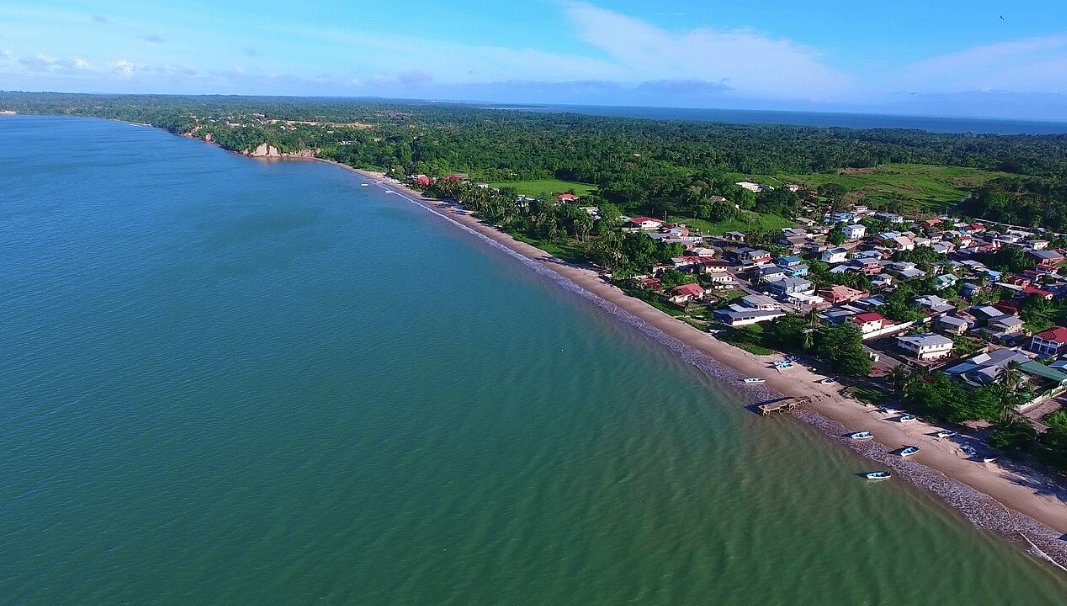
In the quiet hours of a May morning, the waters of the Gulf of Paria stirred with an unwelcome visitor. Heritage Petroleum Company Limited detected an oil spill at its offshore Main Field operation around 7:25 a.m. The company moved quickly to alert the Ministry of Energy and Energy Industries, the Coast Guard and the Environmental Management Authority. An estimated 10 barrels escaped before the leak was stopped the same day, with repairs completed and operations returning to service on May 2.
Trinidad and Tobago's spill trajectory modelling showed that, if left untreated, the hydrocarbons could have drifted across the maritime boundary. Authorities therefore deployed chemical dispersants some six to eight nautical miles from the shared line. Subsequent drone and vessel surveys found no visible hydrocarbons remaining on the surface. Yet the incident remained undisclosed to the public until Venezuela brought it to international attention. Neighbours who share these waters now find themselves navigating not only oil but also questions of trust and transparency that touch every fishing community from Icacos to Güiria.
The Gulf has long been more than a body of water; it is the lifeblood connecting families across the straits. When something goes wrong here, the ripples reach kitchens in Port of Spain and markets in Sucre alike. The cost of living pressures already felt across Trinidad and Tobago make any threat to marine resources a matter of household concern, especially as energy prices continue to shape weekly budgets.
Venezuela Raises the Alarm Across the Border
Caracas acted after satellite imagery, including pictures from 28 April, revealed a slick originating from Trinidadian waters. Foreign Minister Yván Gil went public on 12 May, demanding information and compensation while warning of risks across 1,625 square kilometres that include 12 strategic wetland systems, four national parks and the livelihoods of more than 500 fishermen in Sucre and Delta Amacuro. Acting President Delcy Rodríguez dispatched a multidisciplinary team of environmental specialists, biologists and naval personnel to assess the affected areas.
The formal demand for accountability has stirred memories of earlier tensions over maritime boundaries. For many in Trinidad and Tobago, the episode recalls how closely our two peoples are bound by history, migration and the daily traffic of small boats. Diaspora communities on both sides watch anxiously, knowing that any lasting damage to the Gulf will affect remittances, family visits and the quiet trade in fish and produce that has sustained households for generations.
Regional observers note that such disputes test the spirit of Caribbean cooperation at a time when small island developing states already face mounting climate pressures. The wetlands and mangroves under threat serve as natural barriers against rising seas; their protection is therefore not only an environmental priority but a practical necessity for coastal resilience on both sides of the border.
Trinidad and Tobago's Swift Containment Efforts
Once notified, Trinidad and Tobago's agencies coordinated a response that limited visible surface impact. The use of dispersants and follow-up monitoring reflected established protocols, yet the absence of early public disclosure has drawn criticism from environmental groups and fishing associations. Communities along the south-west coast, already adjusting to higher living costs, worry about longer-term effects on crab, conch and fish stocks that supplement many family incomes.
Heritage Petroleum's role as successor to the former state-owned operations brings added scrutiny. The closure of Petrotrin several years ago left a legacy of both economic adjustment and heightened awareness of environmental responsibility in the energy sector. Today's operators understand that every spill, however small, carries reputational and financial consequences in a region where Atlantic LNG projects and cross-border energy cooperation remain central to national revenue.
Practical implications for ordinary citizens include renewed calls for real-time public alerts whenever incidents occur. Fisherfolk in places like Cedros and Icacos have long argued that early information allows them to adjust their routes and protect their catch. Such transparency measures are gradually being phased in across Caribbean energy jurisdictions, reflecting lessons learned from past incidents.
Shared Waters, Shared Futures: Environmental Stakes for Both Nations
The Gulf of Paria supports rich biodiversity that underpins tourism in Tobago and sustains artisanal fishing on both coasts. Any hydrocarbon residue threatens mangroves that act as nurseries for juvenile fish and as buffers against storm surges intensified by climate change. Small island developing states like Trinidad and Tobago already experience shifting rainfall patterns and stronger hurricanes; further stress on coastal ecosystems compounds these vulnerabilities.
Venezuela's warning about impacts on wetlands and national parks underscores the transboundary nature of the risk. Environmental governance between the two neighbours has historically relied on informal understandings rather than robust joint mechanisms. The current episode highlights the need for clearer protocols that can prevent minor incidents from escalating into diplomatic incidents.
Local environmentalists point out that the same waters once supported thriving oyster and crab industries. Restoration efforts after previous spills have shown that recovery is possible when communities are involved from the outset. Warm ties between scientists and fishers on both sides offer a foundation for collaborative monitoring programmes that could serve as a model for the wider Caribbean.
Energy Ties That Bind: From Petrotrin to Atlantic LNG
Trinidad and Tobago's energy sector has undergone profound change since the Petrotrin era. The transition to companies such as Heritage Petroleum occurs against a backdrop of global shifts toward cleaner fuels and greater scrutiny of offshore operations. Atlantic LNG remains a cornerstone of export earnings, yet its future depends on maintaining both technical excellence and social licence in shared maritime spaces.
The May incident arrives at a moment when CARICOM members are discussing deeper energy integration and joint approaches to climate finance. Venezuela's participation in these conversations, even amid bilateral friction, could strengthen regional bargaining power on issues ranging from methane reduction to adaptation funding for vulnerable coastlines.
For households feeling the pinch of imported food prices and fluctuating fuel costs, stable energy relations with neighbours matter directly. A cooperative framework that prevents spills and ensures rapid information sharing would reduce uncertainty for investors and coastal communities alike, supporting the steady economic recovery the country continues to pursue.
Charting a Path Forward Through CARICOM Diplomacy
CARICOM has long provided a platform for resolving differences among member states and neighbours. The current dispute offers an opportunity to strengthen environmental provisions within existing bilateral agreements and to develop joint response teams that can act before incidents cross borders. Such mechanisms would align with the community-based values that define Caribbean identity.
Practical steps discussed in regional forums include harmonised notification timelines, shared satellite monitoring and regular exchanges between environmental agencies. These measures are being phased in across several CARICOM jurisdictions as part of broader climate resilience strategies. For Trinidad and Tobago and Venezuela, formalising cooperation in the Gulf could transform a source of tension into a demonstration of neighbourly problem-solving.
In the end, the waters of the Gulf of Paria will continue to connect rather than divide us. Families on both sides still share recipes for fish broth, celebrate the same festivals and worry about the same rising seas. With careful diplomacy and genuine community involvement, the lessons from this episode can help safeguard the marine heritage that sustains us all.
By Sharon Sahatoo, Staff WriterThis article was produced with AI-assisted research and editorial support. Reporting is based on sources cited in the article.
What's Your Reaction?
 Like
0
Like
0
 Dislike
0
Dislike
0
 Love
0
Love
0
 Funny
0
Funny
0
 Wow
0
Wow
0
 Sad
0
Sad
0
 Angry
0
Angry
0

Caribbean Correspondent at Global1.News. Based in Port of Spain, Trinidad, covering Caribbean politics, economy, energy, climate, and culture. Amplifying the voices and stories of the Caribbean region.









Comments (0)