
Lebanon-Israel Framework Agreement Opens Path to Lasting Peace
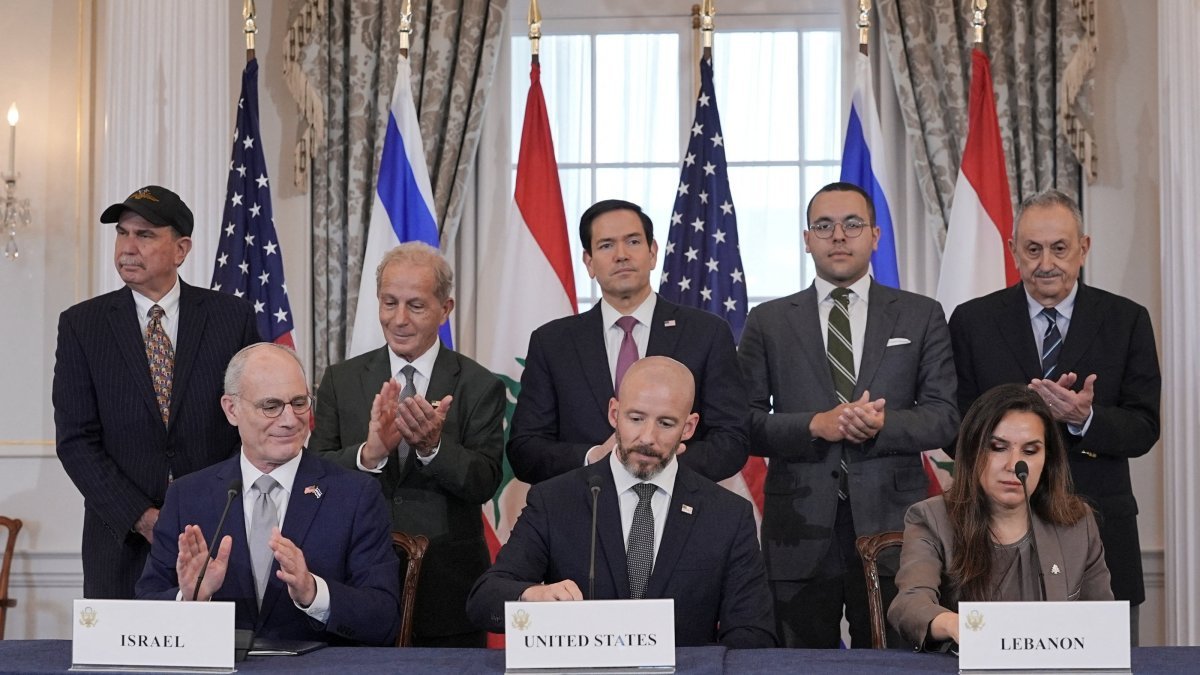
The trilateral framework agreement signed in Washington on June 26, 2026, represents the first formal diplomatic structure linking Lebanon and Israel under American auspices since decades of confrontation. Five rounds of talks produced the document, which remains without public details at the time of signing. The ceremony occurred against the backdrop of recent fighting that be
Background of the Recent Conflict
Israeli operations in southern Lebanon from March onward produced heavy casualties, with Lebanese figures citing more than 4,200 deaths. The fighting involved Hezbollah positions and Israeli forces along the border. A truce announced on April 17 failed to hold, allowing sporadic clashes to continue into June. A new ceasefire declared this month coincided with broader diplomatic efforts involving Tehran.
Direct Negotiations in Washington
Lebanese officials entered direct talks with Israeli counterparts in April under sustained U.S. pressure. These sessions took place entirely in Washington and produced the framework document. The process marked a departure from previous indirect channels mediated through third parties. Officials from both sides attended the signing alongside U.S. representatives.
Statements at the Signing Ceremony
U.S. Secretary of State Marco Rubio described the agreement as one that “begins to put in place a framework for lasting peace and security.” Lebanon’s ambassador to Washington, Nada Hamadeh Moawad, called the accord “a first step on the road to restoring Lebanese sovereignty and territorial integrity, securing a permanent and final cessation of hostilities and enabling our people to go back to their land.” Israel’s envoy, Yechiel Leiter, stated that under the deal “Iran is out, Hezbollah is out, and the road to peace between Israel and Lebanon is in.”
Connection to the Wider Iran Agreement
Tehran had insisted that its separate arrangement with Washington to conclude the broader conflict launched in late February must encompass Lebanon. The new ceasefire in Lebanon aligned with that condition. The framework therefore sits within a larger diplomatic package rather than standing as an isolated bilateral step. This linkage shapes how both Beirut and Jerusalem view the durability of the current halt in fighting.
Strategic Calculations for Lebanon
Lebanese authorities face the task of translating the framework into restored control over southern territory. The document’s emphasis on sovereignty addresses long-standing concerns about non-state actors operating independently along the border. Implementation will require coordination between the Lebanese state and international partners, though specific mechanisms remain undisclosed. Economic recovery in affected areas depends on sustained calm that allows displaced residents to return.
Israeli Security Objectives
Israeli officials have framed the agreement as removing Iranian influence and Hezbollah presence from the immediate frontier. The framework is presented as a means to prevent future cross-border attacks without requiring permanent large-scale military deployment. Success will be measured by whether the cessation of hostilities holds and whether monitoring arrangements prevent rearmament along the line of engagement.
American Role and Regional Repercussions
The United States acted as both host and guarantor throughout the five rounds of talks. Washington’s leverage stems from its security relationships with Israel and its diplomatic channels to Lebanon and Iran. The outcome affects wider Arab-Israeli normalization efforts and the calculations of other regional actors monitoring the precedent. Gulf states watching the process will assess whether similar frameworks could apply elsewhere.
Remaining Uncertainties and Next Steps
Because the agreement’s operational details have not been released, the timeline for concrete measures such as border demarcation or verification procedures stays unclear. Lebanese and Israeli negotiators must still convert the framework into binding protocols. External actors, particularly those tied to the Iran arrangement, retain the capacity to influence compliance. Observers in Beirut will track whether the new ceasefire produces measurable improvements in daily security for southern communities.
By Malik Hassan, Staff WriterThis article was produced with AI-assisted research and editorial support. Reporting is based on sources cited in the article.
What's Your Reaction?
 Like
0
Like
0
 Dislike
0
Dislike
0
 Love
0
Love
0
 Funny
0
Funny
0
 Wow
0
Wow
0
 Sad
0
Sad
0
 Angry
0
Angry
0

Middle East Correspondent at Global1.News. Based in Beirut, covering politics, conflict, energy, and society across the Middle East. Brings context and depth to a region often reduced to headlines.













Comments (0)