
Fally Ipupa Makes History at Stade de France as XX Album Marks 20 Years of Congolese Rumba Royalty
Congolese rumba superstar Fally Ipupa made history this spring with two sold-out concerts at Paris's iconic Stade de France, becoming the first Francophone African artist based on the continent to headline and sell out the 80,000-capacity venue. The milestone moment, marking 20 years since the release of his breakthrough solo album Droit Chemin, has reverberated from Paris to K
Congolese rumba superstar Fally Ipupa made history this spring with two sold-out concerts at Paris's iconic Stade de France, becoming the first Francophone African artist based on the continent to headline and sell out the 80,000-capacity venue. The milestone moment, marking 20 years since the release of his breakthrough solo album Droit Chemin, has reverberated from Paris to Kinshasa and across the African continent.
Fally Ipupa Makes History at Stade de France as XX Album Marks 20 Years of Congolese Rumba Royalty
Dakar, Senegal — Fally Ipupa’s two-night stand at the Stade de France was the culmination of a career spent bridging Kinshasa’s rumba tradition with global pop ambitions. The Congolese superstar delivered performances that drew fans from across Africa and the diaspora, transforming the Parisian venue into a celebration of African musical excellence.
Historic Stade de France Concerts
The two sold-out concerts took place on May 2 and 3, 2026, at Paris's Stade de France. Fally Ipupa became the first Francophone African artist based on the continent to headline and sell out the venue. These back-to-back sell-outs at the 80,000-capacity stadium marked a clear breakthrough for artists rooted in Kinshasa rather than diaspora bases.
Organizers installed a special podium on the stage to accommodate the scale of the production. The show opened with "Amour assassin" from the new XX album and ran for a full 2.5 hours of high-energy performance. Every seat was filled both nights, with fans traveling from across Europe and West Africa.
Guest appearances added to the historic weight of the evenings. Youssou N'Dour joined from Senegal, Wizkid represented Nigeria, Angelique Kidjo came from Benin, and French-Congolese artists Guy2Bezbar and Mokobe performed alongside M. Pokora. Their presence underscored the pan-African reach of the event.
The performance blended rumba congolaise with Afro-pop and urban sounds throughout the set. Tracks from two decades of work mixed seamlessly with newer material. Massive crowds sang along word-for-word to both old hits and fresh releases from the XX album.
These concerts carried particular resonance in Dakar, where Senegalese music fans followed the live streams closely. The success at Stade de France echoed the kind of global recognition long celebrated at the Saint-Louis Jazz Festival and reinforced Kinshasa's place alongside Lagos and Accra in African music exports.
The logistical achievement of filling the stadium twice in one weekend highlighted growing demand for Congolese rumba on European stages. Local promoters noted record ticket sales from the African diaspora in France, Belgium, and Switzerland, confirming the commercial viability of continent-based artists at this level.
XX Album: Celebrating Two Decades of Musical Excellence
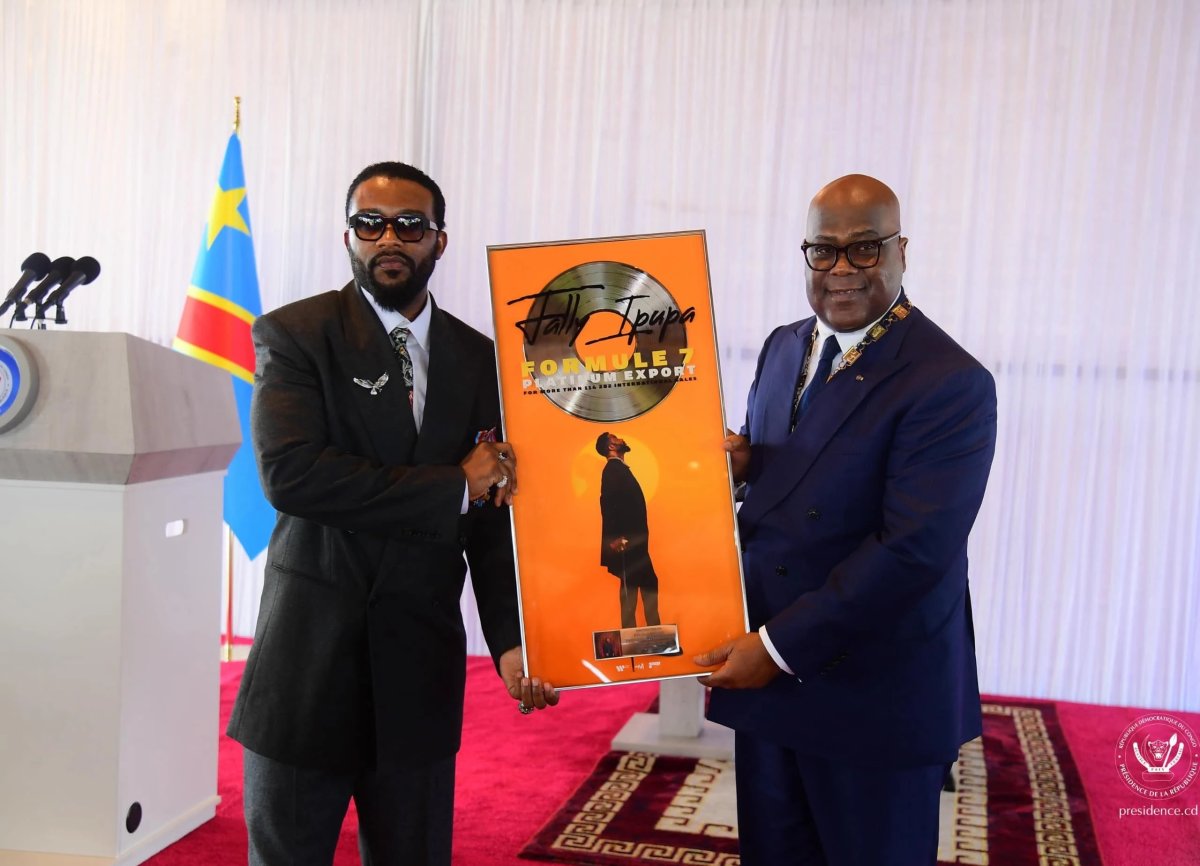
Fally Ipupa's eighth studio album carries the title XX, using Roman numerals to mark twenty years since his solo breakthrough. The project features direct collaborations with Angelique Kidjo and Wizkid, bringing together Congolese rumba traditions with Benin and Nigerian influences.
Key tracks on the album include "Bicarbonate", "Cinema", and "Amour assassin". These songs received prominent placement during the Stade de France shows. The album itself was released in April 2026 and quickly earned platinum certification in France.
Alongside the main release, Fally announced "XX: Delirium" for September 18, 2026. Three tracks from this follow-up project are already streaming: "Wanna Dance", "Complices", and "Kitamata". Fans in Kinshasa and Dakar have already begun sharing the new singles across social platforms.
The platinum status in France reflects sustained commercial strength for Congolese music outside traditional African markets. Universal Music France, Fally's label, reported strong physical and digital sales in the weeks after the Stade de France dates.
Listeners across West Africa have noted how the album maintains core rumba elements while incorporating contemporary production. This balance has helped attract younger audiences who also follow Afrobeats and Amapiano releases from Lagos and Johannesburg.
The September 18 release of "XX: Delirium" is expected to extend the current touring cycle. Early streaming numbers for the three available tracks suggest continued momentum heading into the end of 2026.
A Journey from Bandal to Global Stardom
Fally Ipupa began his career in the Bandal neighborhood of Kinshasa. His early mentor was Koffi Olomide, through the influential Quartier Latin orchestra. This grounding in Kinshasa's vibrant music scene shaped his approach to performance and songwriting.
The 2006 release of his breakthrough solo album Droit Chemin established him as a major independent voice. At 47 years old, having been born in 1977, Fally has maintained consistent output while evolving his sound. He is widely known by the nickname "Aigle", or Eagle, across Congolese and Francophone African media.
Signing with Universal Music France opened new distribution channels in Europe. This move allowed him to retain strong ties to Kinshasa while reaching broader international audiences. His style continues to blend traditional Congolese rumba with contemporary production techniques.
The path from Bandal to Stade de France has inspired musicians in other African cities. Artists in Accra's Ghallywood scene and Nairobi's growing live circuit often cite Fally's trajectory as proof that continent-based careers can achieve global scale.
His long association with Orchestra Baobab-style rhythms and modern urban beats has kept him relevant across generations. Senegalese listeners in particular recognize the shared West and Central African rhythmic foundations that link mbalax traditions with rumba congolaise.
Twenty years after Droit Chemin, the Stade de France performances served as a public acknowledgment of that sustained career. Fans in Kinshasa celebrated the milestone with street parties that mirrored the energy inside the Paris stadium.
Presidential Recognition: Knight of the National Order of the Leopard
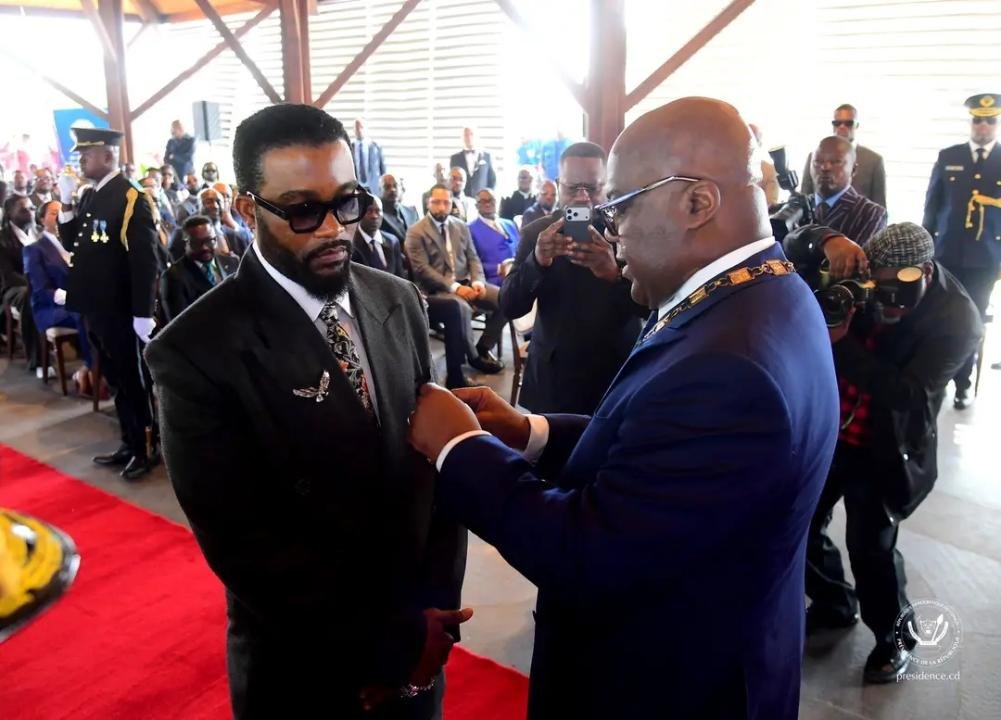
On June 6, 2026, President Felix Tshisekedi decorated Fally Ipupa at the Cite de l'Union Africaine in Kinshasa. The honor was the Chevalier de l'Ordre national du Leopard, the Democratic Republic of Congo's highest distinction.
President Tshisekedi praised Fally's discipline, cultural impact, and role in projecting Congolese excellence globally. The ceremony highlighted how music can serve as a form of national representation on international stages.
Fally dedicated the honor to peace efforts in eastern DRC and to Congolese artists and fans worldwide. During his acceptance remarks he stated, "In honoring me, you have celebrated Congolese music."
The decoration arrived shortly after the Stade de France concerts, amplifying its symbolic weight. State media in Kinshasa framed the award as recognition of cultural diplomacy that benefits the entire nation.
Similar honors have been extended to Senegalese artists such as Youssou N'Dour in past years, creating a pattern of African governments acknowledging musicians who elevate national profiles abroad. Fally's recognition fits this continental trend.
The timing of the award, coming weeks after the Paris shows, reinforced the connection between artistic achievement and state support for creative industries in the DRC.
The Business of African Music on Global Stages
African artists filling major international venues now generate measurable economic returns. Wizkid's headline shows at Tottenham Hotspur Stadium and the O2 Arena demonstrated the scale of demand for Nigerian music in the United Kingdom. Burna Boy's performances at London Stadium and Madison Square Garden further confirmed the commercial viability of continent-rooted acts.
Fally Ipupa's back-to-back sell-outs at Stade de France add Congolese rumba to this growing list of successful tours. These events create direct revenue through ticket sales, merchandise, and sponsorships while supporting local crews and transport services in host cities.
Streaming platforms have recorded rising numbers for both Afrobeats and Congolese rumba in European markets. The increased visibility from stadium shows accelerates this trend, bringing new listeners to catalog material from the past two decades.
The African creative economy functions as soft power that opens doors for tourism and cultural exchange. Festivals in Marrakech, Lagos, and Dakar benefit when artists like Fally prove that African music can command top-tier international venues.
Jobs created by these tours extend beyond performers to include sound engineers, choreographers, and logistics teams based in Kinshasa and other African cities. The multiplier effect supports small businesses that supply equipment and promotional services.
Cultural bridges built through such performances encourage cross-border collaborations. Senegalese and Congolese musicians have already begun planning joint projects inspired by the Stade de France guest lineup.
What to Watch For
The "XX: Delirium" album arrives on September 18, 2026, with three tracks already available for streaming. Fans expect the project to maintain the momentum established by the main XX release and the Paris concerts.
A potential world tour is under discussion, with promoters exploring dates in North America, additional European cities, and major African capitals. Early interest from Johannesburg and Nairobi suggests strong regional demand.
Fally's achievement at Stade de France sets a concrete benchmark for the next generation of Francophone African artists. Younger musicians in Kinshasa and Abidjan now see a clear route from local studios to 80,000-capacity venues.
Growing global demand for African music continues to reshape festival lineups. Events such as the Dakar Biennale and FESPACO increasingly incorporate live music components that reflect this international appetite.
Cultural tourism linked to major artist tours is expected to increase in coming years. Cities that host successful African acts often see follow-on interest in their own music scenes and heritage sites.
The combination of platinum certification, presidential recognition, and stadium sell-outs positions Fally Ipupa as a reference point for sustainable careers built from African bases rather than diaspora relocation.
Fally Ipupa’s Stade de France milestone demonstrates that artists grounded in Kinshasa can command the world’s largest stages, opening doors for the next wave of Francophone and pan-African talent to follow the same path with confidence and institutional support.
By Amara Diop, Staff Writer
This article was produced with AI-assisted research and editorial support. Reporting is based on sources cited in the article.
What's Your Reaction?
 Like
0
Like
0
 Dislike
0
Dislike
0
 Love
0
Love
0
 Funny
0
Funny
0
 Wow
0
Wow
0
 Sad
0
Sad
0
 Angry
0
Angry
0

West Africa/Sahel Correspondent at Global1.News. Dakar-based journalist covering politics, security, climate, and development across Francophone and Anglophone West Africa. Tells the stories of a region undergoing profound transformation.












Comments (0)