
El Niño Under Way and Threatens Weather Extremes — What It Means for Latin America
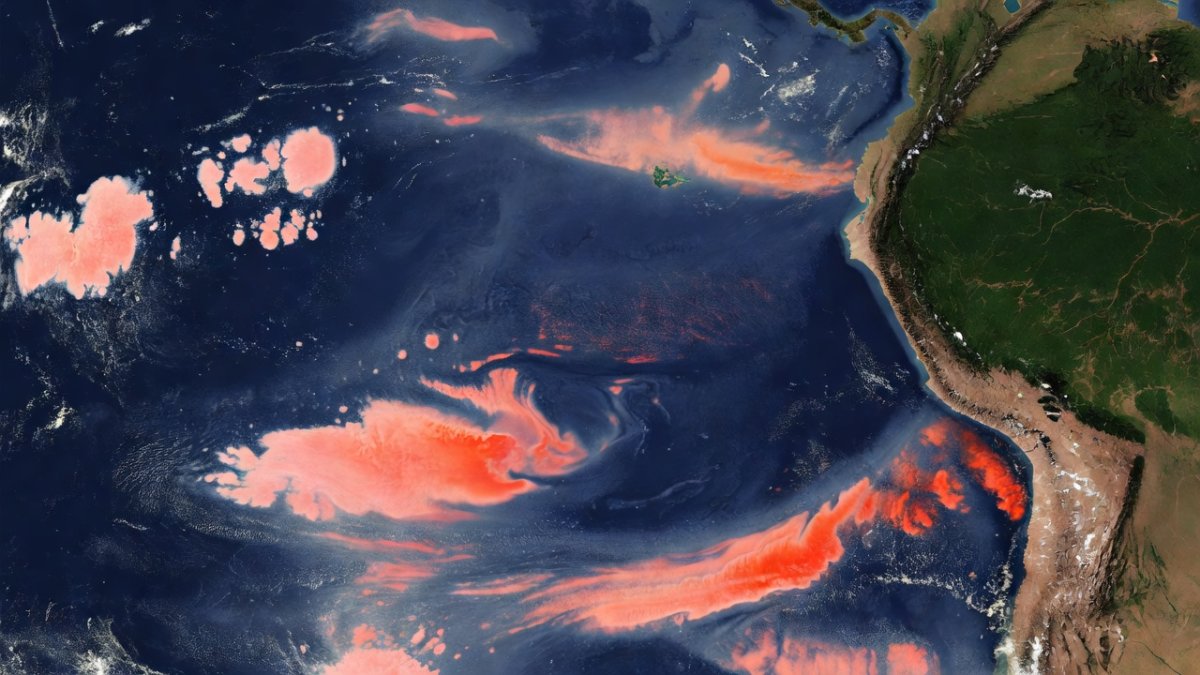
The Official Declaration and Its Timing This week the US National Oceanic and Atmospheric Administration confirmed that El Niño conditions have developed in the tropical Pacific. Sea surface temperatures have crossed the 0.5C threshold above average, and atmospheric winds are shifting in response. The announcement follows the end of the preceding La Niña phase earlier this year
The Official Declaration and Its Timing
This week the US National Oceanic and Atmospheric Administration confirmed that El Niño conditions have developed in the tropical Pacific. Sea surface temperatures have crossed the 0.5C threshold above average, and atmospheric winds are shifting in response. The announcement follows the end of the preceding La Niña phase earlier this year and aligns with long-standing model projections. NOAA noted that the current event already shows signs of considerable strength, with a 63 percent chance of reaching very strong levels between November and January.
Prof Adam Scaife of the UK Met Office has emphasized that this El Niño arrives atop decades of human-driven warming. The combination raises the prospect of unprecedented temperatures in affected regions rather than typical seasonal extremes. Forecasts from both US and European modeling centers indicate the possibility of anomalies exceeding 2C or even 3C above average in parts of the central Pacific, placing the event among the strongest on record since 1950.
How the Pattern Alters Regional Weather
El Niño reorganizes rainfall across the tropics by changing the location of the warmest ocean waters. In Latin America this typically means suppressed rainfall over northern South America and enhanced precipitation along the western Andean slopes. The shift does not guarantee identical outcomes everywhere, yet stronger events tilt probabilities more decisively. Liz Stephens of the University of Reading has pointed out that reduced rainfall in Central America during El Niño years often leads to drought conditions, an observation that extends southward into Colombia and the northern Amazon basin.
The current event is expected to suppress Atlantic hurricane activity while concentrating moisture along the coasts of Peru and Ecuador. These changes unfold against a background of already elevated baseline temperatures, meaning that even moderate rainfall deficits can produce outsized impacts on soil moisture and river levels.
Drought and Fire Risk in the Amazon and Beyond
Northern South America, including the Amazon basin, faces heightened drought risk during El Niño. In Brazil this translates to lower river levels across the states of Amazonas and Pará, reduced soil moisture in the Cerrado savanna, and increased wildfire potential in the Pantanal wetlands. Indigenous territories and smallholder farms that already contend with fragmented forest cover become especially vulnerable when the dry season extends or intensifies.
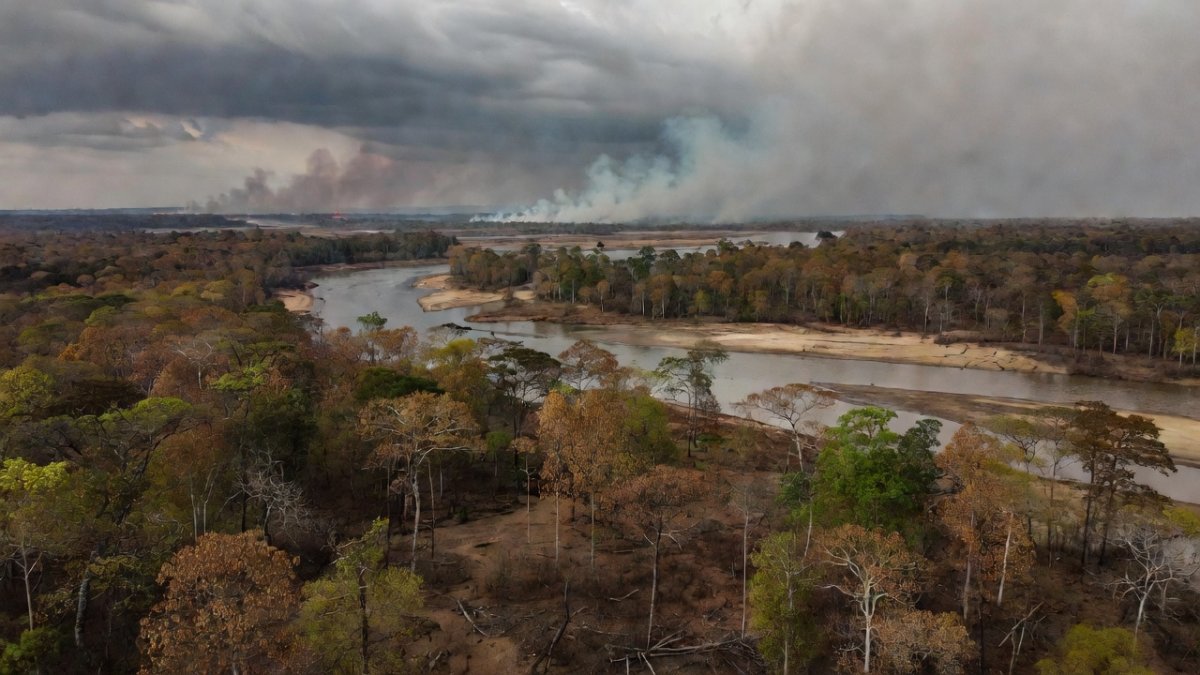
Historical strong El Niño episodes have produced sharp drops in Amazon precipitation, leading to tree mortality and carbon release. With the added influence of long-term warming, the coming months could see fire activity spread into areas previously considered low risk. Colombian Amazon departments such as Caquetá and Putumayo may experience similar rainfall shortfalls, affecting both biodiversity corridors and local water supplies that communities rely upon for drinking and irrigation.
Flooding Along the Pacific Coast of Peru and Ecuador
While drought dominates the outlook for the Amazon, the opposite pattern threatens the western slopes of the Andes. Northern Peru and southern Ecuador commonly receive above-average rainfall during El Niño, with heavy downpours capable of triggering landslides and river flooding. Coastal cities and agricultural valleys in these countries have recorded damaging inundations during past strong events, damaging roads, displacing residents, and destroying crops.
The risk extends inland to higher elevations where saturated soils can fail. Early warning systems managed by national meteorological services in both countries are already monitoring sea-surface temperature trends and preparing contingency plans. Even so, the combination of a potentially very strong El Niño with existing infrastructure gaps leaves many rural communities exposed.
Agriculture, Food Prices, and Livelihoods
Agricultural systems across the region stand to feel the effects first. In Brazil, soybean and maize production in the central Cerrado could suffer from prolonged dry spells, while cattle ranchers in the Pantanal confront pasture shortages. Peru’s coastal rice and banana zones may face both excess water and later irrigation shortfalls once the event peaks. Ecuadorian smallholders growing cacao and coffee on the Andean flanks have seen yields drop sharply during previous strong El Niño years.
Mohamed Adow of Power Shift Africa has described an El Niño declaration as a deadly siren for millions, signaling failed rains, dying crops, and rising food prices. In Latin America these pressures compound existing stresses from deforestation, land-use change, and uneven access to credit and insurance. Families already living on the margins of food security can be pushed into acute hardship when staple prices climb.
Preparing for Overlapping Climate Stress
The current El Niño will not end with the calendar year. Its influence on global temperatures and regional rainfall is projected to persist well into 2027, overlapping with the ongoing effects of human-caused warming. Prof Adam Scaife has warned that actual temperatures in impacted areas could reach levels never previously recorded. For Brazil and its neighbors this means planning must account for both the immediate seasonal anomalies and the longer-term trend of rising baselines.
National agencies in the region, together with regional bodies, are reviewing drought and flood preparedness measures. Early action on water storage, fire prevention, and crop diversification can reduce losses, yet sustained investment remains essential. Communities in the Amazon, the Cerrado, and the Andean Pacific slopes have demonstrated resilience in past events; the scale of the present episode will test that capacity once more.
By Elena Vasquez, Staff WriterThis article was produced with AI-assisted research and editorial support. Reporting is based on sources cited in the article.
What's Your Reaction?
 Like
0
Like
0
 Dislike
0
Dislike
0
 Love
0
Love
0
 Funny
0
Funny
0
 Wow
0
Wow
0
 Sad
0
Sad
0
 Angry
0
Angry
0

Latin America Correspondent at Global1.News. Based in Mexico City, covering politics, economics, energy, and culture across the region. Brings an on-the-ground perspective to stories spanning from the Rio Grande to Patagonia.















Comments (0)